Make Agentic Payments Simpler, Please?
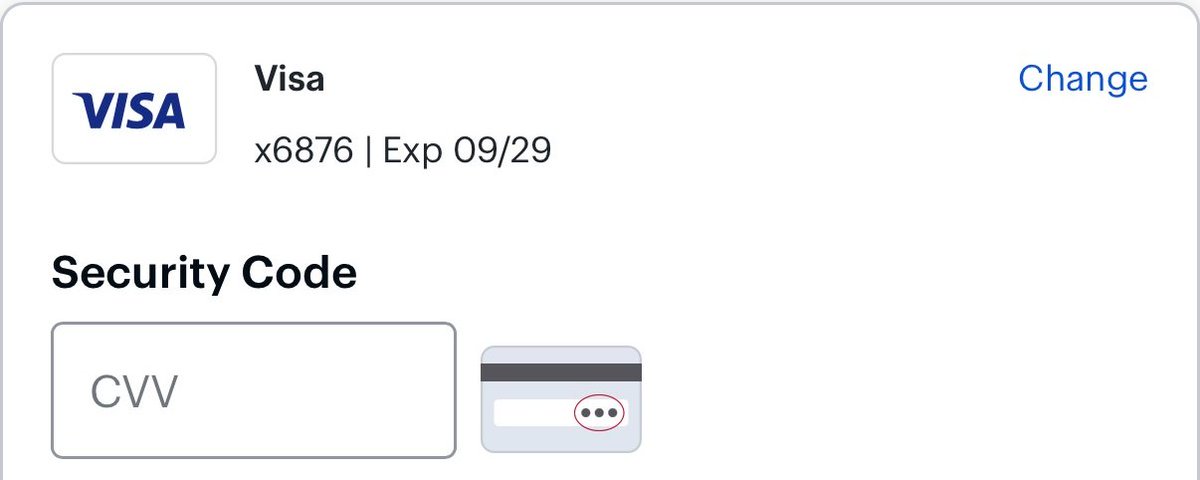
I used Muse to make a purchase from Best Buy yesterday, and Muse and Stripe Link created an odd problem for me by replacing my Amex with their own virtual Visa card.
I was asking Muse to help me find a CarPlay-friendly stereo to put in an older car that we have. After Muse did some very helpful research for me, I decided on a stereo that Best Buy was selling.
Muse added the stereo and everything else I needed (harness, installation fee, etc.) to my cart. I told it to complete the purchase. Muse asked me to pick a card from my Link wallet, and I picked my Amex. Muse said it would make the purchase.
At that point, Link, not the retailer, charged my card for the purchase amount. In the background, Link issued a virtual card, a Visa, that Muse submitted as the method of payment for the Best Buy purchase. Muse reported back that the purchase had completed successfully.
This was incorrect. It was not successful. Best Buy sent an email saying that part of the transaction had failed, specifically one item in the cart that was sold through Best Buy's third-party marketplace. The email said that I had 22 hours to resolve the payment issue.
Muse being connected to my email account, it saw the Best Buy warning and alerted me that it had misstated the success of the transaction (oops). I'd need to address the failed payment with Best Buy, Muse informed me, virtually backing away with its hands up.
So I logged in to Best Buy, and it prompted me to provide the security code of the credit card used (the virtual card, a Visa--see header image) to try again. The problem of course is that I have no idea what the security code of the virtual card is. Didn't I select an Amex for the purchase? In fact, I was never told at any point during the transaction (or after) that Link had issued a virtual card at all.
So where the heck do I get the security code? I assume that it cannot be retrieved, since it's ostensibly none of my business (not my card, not my rewards, not my payment information).
I pondered this mystery in my heart yesterday and overnight. To whom am I supposed to reach out for help when this sort of thing happens? No answer came to mind. Needing the failed item for the installation of the stereo, I went ahead this afternoon and changed the payment method back to the Amex I had originally selected from my Link wallet. Best Buy happily completed the purchase.
But hang on: have I now been charged the full purchase price to my Amex by Link (the original purchase) PLUS the price of the third-party component, which I had to buy separately after the virtual card payment failed? I'm not positive, but the answer appears to be "no", as the pending amount with Amex (the one charged by Link, not Best Buy) appears to be limited to the direct Best Buy items. The remainder was not authorized in that charge from Link. That's what I see with Amex, anyway. Maybe that's why it failed at Best Buy when it tried to authorize the third party purchase using the virtual card?
Does Muse/Link keep track of a partial purchase failure and track whether there are funds left over on the virtual card balance? Why didn't Link charge the complete purchase price to my Amex and load to the virtual card originally?
If I had been overcharged, with whom would I interact to get it resolved? Muse? Stripe/Link? Best Buy? On a practical level I don't have a customer relationship with Stripe Link--it's like a helpful ghost that appears every so often to give my payment stuff to businesses when I want it to.
(I have other ghosts like this--Shop Pay, PayPal, Venmo, Google Chrome auto-fill, 1Password, Apple Keychain. It's a regular haunted mansion over here.)
In this case, American Express is the card issuer, and I definitely have a relationship there. What do I say exactly? That I tried to buy something from Best Buy but Link gave a Visa to Best Buy instead and it didn't work right?
I could ask Muse, but Muse is an AI agent, not an empowered customer service representative.
It's worth noting that a normal person would not know this virtual card thing is happening, what it means, etc. Maybe it's truly better not to know.
I think my issue is resolved, but I am not positive. I am trying to decide what your average, non-payments person might do in this situation, and I think the answer is that they'd maybe not take the chance of being overcharged on that third-party marketplace item and just let it expire.
In any case, as a general matter, I don't think I want Muse and Link to switch my card for a virtual card. It feels like a user-unfriendly thing to do. It complicates my purchase protections and support channels. It interferes with my card rewards. And it introduces new points of failure (as happened today).
I don't need Muse or Link to protect me here with Best Buy, so the one primary advantage of a virtual card is not helpful. I already trust Best Buy, have bought many things from them, and don't need to obscure payment cards (in fact I already have cards on file with them).
There are a lot of nuances to the topic, and a lot that is changing, but for right now, I think I would like for agents and their infrastructure providers (like Stripe) to not get too cute with my shopping, whether to "protect" me or to jiu-jitsu some revenue by subbing out my card for their own interchange-making instrument.
Could you just help me buy the things we've identified, use the cards I choose, and let the retailer charge me for the things I want to buy? Could we keep it simple?
沿着这个主题继续读
从一篇文章,找到相关的教程、经验和阅读路径。