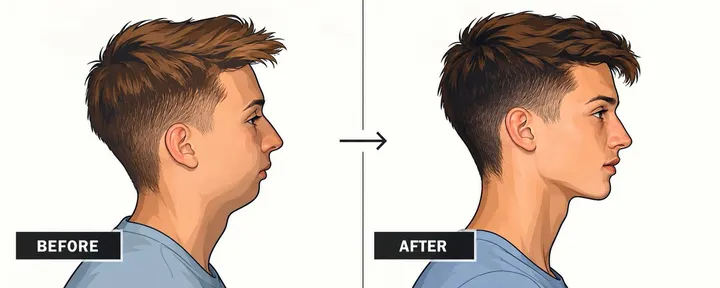
If I had 180 days to escape an average life, I'd do this.

文章目录
180 days. That's roughly six months.
You don't need to fix your entire life overnight. You need to stop repeating the habits that got you where you are.
Here's the plan I'd follow.
1. Get brutally honest about where you stand
Before changing anything, I'd take a hard look at my current life.
How much money do I have saved?
What skills do I actually possess?
How many hours do I waste scrolling through my phone?
Am I building something, or am I just talking about what I want to build?
And most importantly, if I continued living exactly like this for another three years, would I be happy with where I ended up?
That last question would probably hurt.
Good.
Sometimes you need to be uncomfortable enough to finally do something about your situation.
I'd write down everything I wanted to change and pick the three things that would make the biggest difference.
Not 27 goals. Three.
Because trying to change everything at once is a great way to change absolutely nothing.
2. Pick one skill that can make you money
If I had 180 days, I'd spend a serious amount of time learning something the market already pays for.
Copywriting. Sales. Video editing. Coding. Design. Whatever fits my interests and has actual demand.
I wouldn't pick a skill because some influencer said it could make me $10K a month.
I'd pick one I could realistically get good at and sell to real people.
Then I'd give it two focused hours every single day.
I'd study people who are better than me, practice what they do, build projects, and ask for feedback.
And I'd stop switching skills every time I saw someone making money in a different industry.
That's a trap.
You spend two weeks learning copywriting, see a guy making money with AI automation, switch to that, then discover another guy making money with an agency.
Six months later, you're still a beginner at everything.
Pick one thing. Get good enough to solve a real problem. Learn how to sell the solution.
That's a much better use of six months.
3. Fix your relationship with your phone
You cannot spend five hours a day consuming other people's lives and then complain that you have no time to build your own.
That's just bullshit.
I'd check my screen time and look at where my hours were actually going.
Not to feel guilty. To see the damage.
Then I'd remove the apps that constantly pulled me back in, turn off unnecessary notifications, and stop keeping my phone beside me while working.
I'd also stop consuming motivational content as a substitute for doing the work.
Watching a video about discipline doesn't make you disciplined.
Reading ten threads about making money doesn't make you richer.
And saving another 47 posts about changing your life doesn't mean you're changing it.
At some point, you need to close the fucking app and get to work.
Keep entertainment in your life. Just stop letting it eat the time meant for your future.
4. Make yourself useful to people
Here's something I'd focus on that most people overlook.
I'd stop asking, "How can I make money?"
And start asking, "What problem can I solve well enough that someone would happily pay me?"
Businesses need customers. Creators need content. Coaches need clients. Companies need better websites, better sales processes, and people who can do the work they don't have time for.
Find a problem. Learn to solve it. Show people that you can.
You don't need a massive audience, an expensive setup, or a fancy office to start.
You need proof that you can deliver something valuable.
I'd build three to five strong projects that demonstrate my ability. Then I'd contact potential clients, apply for opportunities, and have actual conversations with people in the industry.
Some would ignore me.
Some would say no.
A few might give me a chance.
That's how you start getting somewhere.
You can't sit in your room for six months, waiting to become confident enough to put yourself out there.
Confidence usually comes after you've done the uncomfortable thing a few times.
5. Get your body in order, too
I'd train three to five days a week, eat reasonably well, and get enough sleep.
Nothing complicated.
You don't need to look like a fitness model by day 180. You need enough energy to get through your days without feeling like absolute shit.
Exercise also gives your day some structure.
You show up even when you don't feel like it. You do the reps. You get a little stronger. You come back next time.
That mentality carries over into other parts of your life.
And honestly, when you're trying to build a better future, feeling physically exhausted all the time doesn't help.
Take care of the body you're expecting to carry you through the next six months.
6. Build a routine that survives bad days
I'd stop trying to design the perfect routine.
No elaborate morning rituals. No waking up at 4 AM just to feel superior to people sleeping until 7.
I'd build a schedule around a few non-negotiables:
-
Two hours of focused skill development.
-
One hour of building, selling, or looking for opportunities.
-
Thirty to sixty minutes of exercise.
-
Enough sleep to function properly.
-
Time for family, friends, and an actual life.
Adjust the hours around school, work, or other responsibilities. The point isn't to copy my schedule. It's to make consistent progress with the time you have.
And when a day goes badly, I'd do what I could and continue the next day.
Missed a workout? Get back to it.
Had a terrible workday? Start again tomorrow.
Lost three days to procrastination? Don't turn three bad days into three bad weeks because you think you've ruined everything.
Discipline isn't never falling off. It's refusing to let one bad day become your entire personality.
7. Stop telling everyone what you're going to do
I'd spend less time announcing plans and more time building evidence that I could follow through.
You know the feeling.
You get excited about a new goal, tell everyone about it, imagine how good it'll feel when you succeed, and get a little hit of satisfaction before you've done any real work.
Then the excitement fades.
And suddenly, the thing you promised everyone you'd do becomes another unfinished project.
Keep some goals private. Let your progress speak when there's actually something to show.
You don't owe anyone a running commentary on your ambitions.
You owe yourself the effort.
8. Divide the 180 days into three phases
I'd make the timeline simple enough to follow without overthinking it.
Days 1–30: Clean things up.
Get your schedule under control. Reduce distractions. Choose your skill. Start practicing. Figure out what needs the most attention in your life.
Don't waste the entire first month planning how you'll spend the next five.
Days 31–90: Build and get uncomfortable.
Create real projects. Publish your work. Talk to people who are already doing what you want to do. Start pitching clients or applying for opportunities.
By this point, you should have something to show for your effort, even if you haven't made much money yet.
Days 91–180: Double down.
Look at what's working.
Maybe you're getting responses from potential clients but struggling to close them. Learn sales.
Maybe people like your work, but nobody knows you exist. Improve your distribution.
Maybe you've been practicing for months but still aren't good enough. Get better at the fundamentals.
Don't abandon everything because progress is slower than you expected.
Fix the actual problem and keep going.
By day 180, the goal is to have stronger skills, better habits, more proof of your abilities, and a clearer path toward making money.
The exact results will depend on your starting point and the work you put in. Nobody can honestly promise you'll become rich or completely transform your life in six months.
But you can give yourself a much better shot than you would by doing nothing.
9. Review your life every Sunday
Every Sunday, I'd sit down for 15 minutes and answer five questions:
-
What did I actually accomplish this week?
-
What did I waste the most time on?
-
What did I learn?
-
What moved me closer to earning money or reaching my goals?
-
What needs to change next week?
I'd keep the answers somewhere I could revisit.
After a month, patterns would start becoming obvious.
Maybe I'm spending too much time learning and not enough time applying.
Maybe I'm working hard but focusing on the wrong skill.
Maybe my schedule is unrealistic, and I'm burning myself out.
Whatever it is, I'd rather discover it after seven days than repeat the same mistake for six months.
Working hard matters.
Knowing whether your hard work is getting you anywhere matters just as much.
Here's what I want you to understand.
You don't need to become a completely different person tomorrow.
You need to start making different decisions today.
Stop spending money to impress people who don't care about your financial situation.
Stop waiting for motivation to do work you already know matters.
Stop collecting advice from people whose lives you wouldn't trade places with.
And stop treating every setback like proof that you're not capable of doing something better.
You have 180 days.
That's enough time to build a useful skill, create work you're proud of, make your first money from something you've learned, improve your health, and develop habits that make the following six months easier.
It might not be enough to achieve every dream you've ever had.
That's fine.
The point is to stop wasting time pretending you'll start someday.
Because someday isn't a date on your calendar.
It's just a word people use when they're scared to begin.
Start now. Keep showing up. Adjust when things don't work.
And six months from now, give yourself a reason to be proud of the person you've become.
If you're still here, I appreciate you reading. I'll meet you in the next one.
- MayankIf I Had 180 Days to Escape an Average Life, I'd Do This.
180 days. That's roughly six months.
You don't need to fix your entire life overnight. You need to stop repeating the habits that got you where you are.
Here's the plan I'd follow.
- Get brutally honest about where you stand
Before changing anything, I'd take a hard look at my current life.
How much money do I have saved?
What skills do I actually possess?
How many hours do I waste scrolling through my phone?
Am I building something, or am I just talking about what I want to build?
And most importantly, if I continued living exactly like this for another three years, would I be happy with where I ended up?
That last question would probably hurt.
Good.
Sometimes you need to be uncomfortable enough to finally do something about your situation.
I'd write down everything I wanted to change and pick the three things that would make the biggest difference.
Not 27 goals. Three.
Because trying to change everything at once is a great way to change absolutely nothing.
- Pick one skill that can make you money
If I had 180 days, I'd spend a serious amount of time learning something the market already pays for.
Copywriting. Sales. Video editing. Coding. Design. Whatever fits my interests and has actual demand.
I wouldn't pick a skill because some influencer said it could make me $10K a month.
I'd pick one I could realistically get good at and sell to real people.
Then I'd give it two focused hours every single day.
I'd study people who are better than me, practice what they do, build projects, and ask for feedback.
And I'd stop switching skills every time I saw someone making money in a different industry.
That's a trap.
You spend two weeks learning copywriting, see a guy making money with AI automation, switch to that, then discover another guy making money with an agency.
Six months later, you're still a beginner at everything.
Pick one thing. Get good enough to solve a real problem. Learn how to sell the solution.
That's a much better use of six months.
- Fix your relationship with your phone
You cannot spend five hours a day consuming other people's lives and then complain that you have no time to build your own.
That's just bullshit.
I'd check my screen time and look at where my hours were actually going.
Not to feel guilty. To see the damage.
Then I'd remove the apps that constantly pulled me back in, turn off unnecessary notifications, and stop keeping my phone beside me while working.
I'd also stop consuming motivational content as a substitute for doing the work.
Watching a video about discipline doesn't make you disciplined.
Reading ten threads about making money doesn't make you richer.
And saving another 47 posts about changing your life doesn't mean you're changing it.
At some point, you need to close the fucking app and get to work.
Keep entertainment in your life. Just stop letting it eat the time meant for your future.
- Make yourself useful to people
Here's something I'd focus on that most people overlook.
I'd stop asking, "How can I make money?"
And start asking, "What problem can I solve well enough that someone would happily pay me?"
Businesses need customers. Creators need content. Coaches need clients. Companies need better websites, better sales processes, and people who can do the work they don't have time for.
Find a problem. Learn to solve it. Show people that you can.
You don't need a massive audience, an expensive setup, or a fancy office to start.
You need proof that you can deliver something valuable.
I'd build three to five strong projects that demonstrate my ability. Then I'd contact potential clients, apply for opportunities, and have actual conversations with people in the industry.
Some would ignore me.
Some would say no.
A few might give me a chance.
That's how you start getting somewhere.
You can't sit in your room for six months, waiting to become confident enough to put yourself out there.
Confidence usually comes after you've done the uncomfortable thing a few times.
- Get your body in order, too
I'd train three to five days a week, eat reasonably well, and get enough sleep.
Nothing complicated.
You don't need to look like a fitness model by day 180. You need enough energy to get through your days without feeling like absolute shit.
Exercise also gives your day some structure.
You show up even when you don't feel like it. You do the reps. You get a little stronger. You come back next time.
That mentality carries over into other parts of your life.
And honestly, when you're trying to build a better future, feeling physically exhausted all the time doesn't help.
Take care of the body you're expecting to carry you through the next six months.
- Build a routine that survives bad days
I'd stop trying to design the perfect routine.
No elaborate morning rituals. No waking up at 4 AM just to feel superior to people sleeping until 7.
I'd build a schedule around a few non-negotiables:
- Two hours of focused skill development.
- One hour of building, selling, or looking for opportunities.
- Thirty to sixty minutes of exercise.
- Enough sleep to function properly.
- Time for family, friends, and an actual life.
Adjust the hours around school, work, or other responsibilities. The point isn't to copy my schedule. It's to make consistent progress with the time you have.
And when a day goes badly, I'd do what I could and continue the next day.
Missed a workout? Get back to it.
Had a terrible workday? Start again tomorrow.
Lost three days to procrastination? Don't turn three bad days into three bad weeks because you think you've ruined everything.
Discipline isn't never falling off. It's refusing to let one bad day become your entire personality.
- Stop telling everyone what you're going to do
I'd spend less time announcing plans and more time building evidence that I could follow through.
You know the feeling.
You get excited about a new goal, tell everyone about it, imagine how good it'll feel when you succeed, and get a little hit of satisfaction before you've done any real work.
Then the excitement fades.
And suddenly, the thing you promised everyone you'd do becomes another unfinished project.
Keep some goals private. Let your progress speak when there's actually something to show.
You don't owe anyone a running commentary on your ambitions.
You owe yourself the effort.
- Divide the 180 days into three phases
I'd make the timeline simple enough to follow without overthinking it.
Days 1–30: Clean things up.
Get your schedule under control. Reduce distractions. Choose your skill. Start practicing. Figure out what needs the most attention in your life.
Don't waste the entire first month planning how you'll spend the next five.
Days 31–90: Build and get uncomfortable.
Create real projects. Publish your work. Talk to people who are already doing what you want to do. Start pitching clients or applying for opportunities.
By this point, you should have something to show for your effort, even if you haven't made much money yet.
Days 91–180: Double down.
Look at what's working.
Maybe you're getting responses from potential clients but struggling to close them. Learn sales.
Maybe people like your work, but nobody knows you exist. Improve your distribution.
Maybe you've been practicing for months but still aren't good enough. Get better at the fundamentals.
Don't abandon everything because progress is slower than you expected.
Fix the actual problem and keep going.
By day 180, the goal is to have stronger skills, better habits, more proof of your abilities, and a clearer path toward making money.
The exact results will depend on your starting point and the work you put in. Nobody can honestly promise you'll become rich or completely transform your life in six months.
But you can give yourself a much better shot than you would by doing nothing.
- Review your life every Sunday
Every Sunday, I'd sit down for 15 minutes and answer five questions:
- What did I actually accomplish this week?
- What did I waste the most time on?
- What did I learn?
- What moved me closer to earning money or reaching my goals?
- What needs to change next week?
I'd keep the answers somewhere I could revisit.
After a month, patterns would start becoming obvious.
Maybe I'm spending too much time learning and not enough time applying.
Maybe I'm working hard but focusing on the wrong skill.
Maybe my schedule is unrealistic, and I'm burning myself out.
Whatever it is, I'd rather discover it after seven days than repeat the same mistake for six months.
Working hard matters.
Knowing whether your hard work is getting you anywhere matters just as much.
Here's what I want you to understand.
You don't need to become a completely different person tomorrow.
You need to start making different decisions today.
Stop spending money to impress people who don't care about your financial situation.
Stop waiting for motivation to do work you already know matters.
Stop collecting advice from people whose lives you wouldn't trade places with.
And stop treating every setback like proof that you're not capable of doing something better.
You have 180 days.
That's enough time to build a useful skill, create work you're proud of, make your first money from something you've learned, improve your health, and develop habits that make the following six months easier.
It might not be enough to achieve every dream you've ever had.
That's fine.
The point is to stop wasting time pretending you'll start someday.
Because someday isn't a date on your calendar.
It's just a word people use when they're scared to begin.
Start now. Keep showing up. Adjust when things don't work.
And six months from now, give yourself a reason to be proud of the person you've become.
If you're still here, I appreciate you reading. I'll meet you in the next one.
- Mayank