How I discovered I was breathing wrong my entire life
You will take around 20,000 breaths today. You’ll think about maybe four of them.
Which is strange, when you consider how much time people like me spend obsessing over other health inputs. I can tell you where my beef was raised, and what’s in my water filter.
Until a few months ago, I could not have told you whether I breathe through my nose or my mouth at night. And it turns out - that really matters!
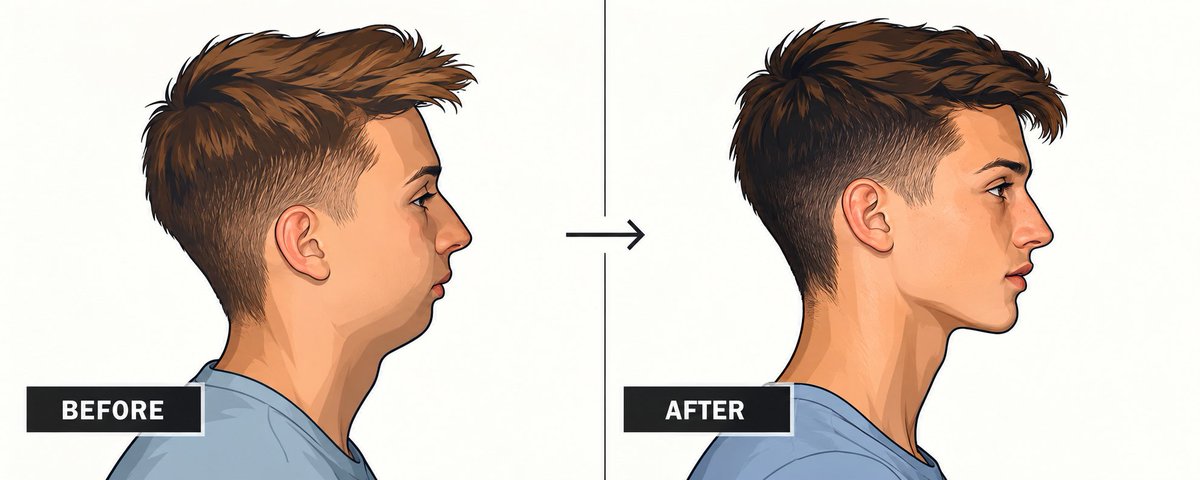
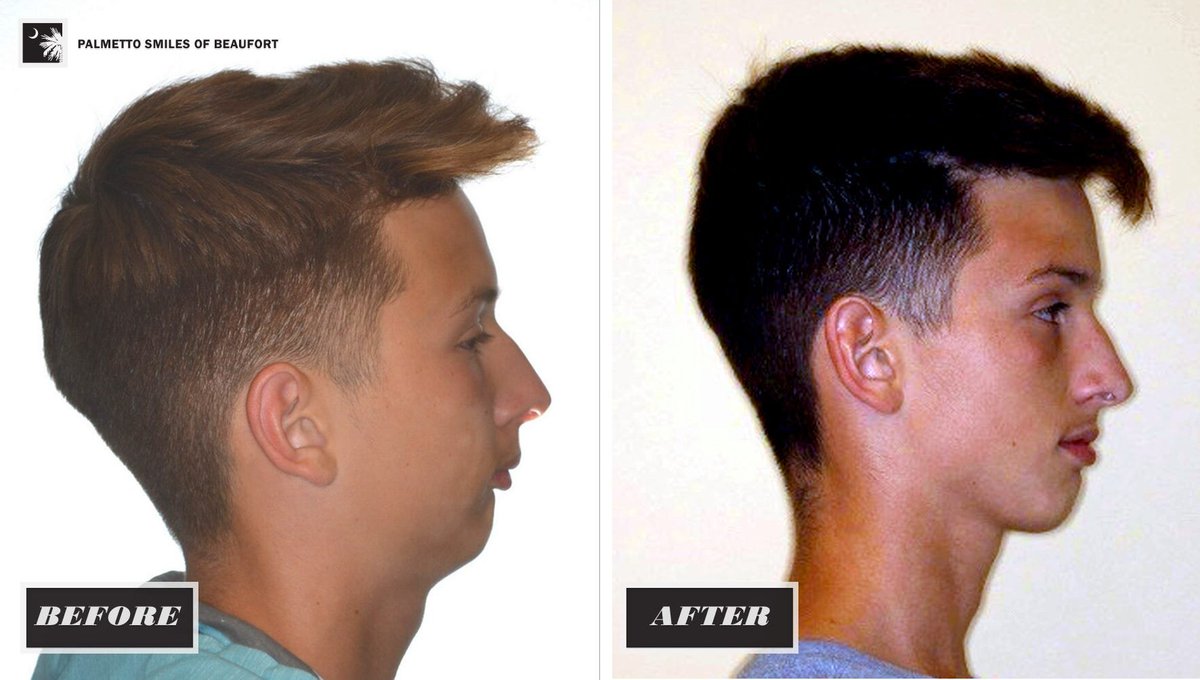
Your nose is an air-processing organ, and your mouth is a backup. Breathing through your nose instead of your mouth is what we were meant to do, and helps with healthy jaw and cheek development (as the photo below shows the mouth breathing to nose breathing transition).
Air that comes in through your nose gets warmed, humidified and filtered. It also picks up nitric oxide, which your sinuses produce in large amounts. Nitric oxide dilates blood vessels in the lungs and helps you pull more oxygen out of each breath. Breathing through your mouth skips all of this air processing!
This gets worse at night.
During sleep, the muscles holding your throat open tend to relax. And - if you have a narrow airway like me - that tissue can partially close your airway, making it harder to breathe. And when it gets harder to breathe, your brain does the sensible thing and *wakes you up *so you don’t suffocate! This can happen many times each night, and is a major cause of waking up after 8 hours, feeling like you only got 5.
This is a wildly common issue, and one that’s more common in modern life.
The anthropologist Robert Corruccini spent decades documenting how crooked teeth and narrow jaws show up within a generation or two of a population switching from ancestral foods to soft, processed foods (cooked meats and veggies, bread, etc). Your jaw is a muscle, and it grows in response to chewing. Feed kids mush, and you get smaller jaws, crowded teeth, and less room for the tongue, which often ends up sliding backwards into the airway!
The most severe version of this condition is sleep apnea, which some researchers estimate 26% of Americans between 30-70 have to at least a mild degree.
After some recent testing I had done, I realized I was one of these people.
For a few months early this year, I’d been feeling more tired than normal. My sleep trackers said I was doing great, getting 7-8 hours most nights, but I’d wake up feeling drowsy anyway. After some research, I decided to get a sleep study done (basically wearing a ring for a few nights), and get a 3D scan of my palate and airways to see what might be going on.
The results weren’t great. I found a few things:
-
My palate is 31.4mm wide. The clinic’s functional minimum is 38mm, and the ideal width is 42mm.
-
The narrowest point of my airway is 103.5mm², when their clinical target is 300mm²+.
-
The space behind my tongue is 5.7mm. Clinical target? 10mm 👅.
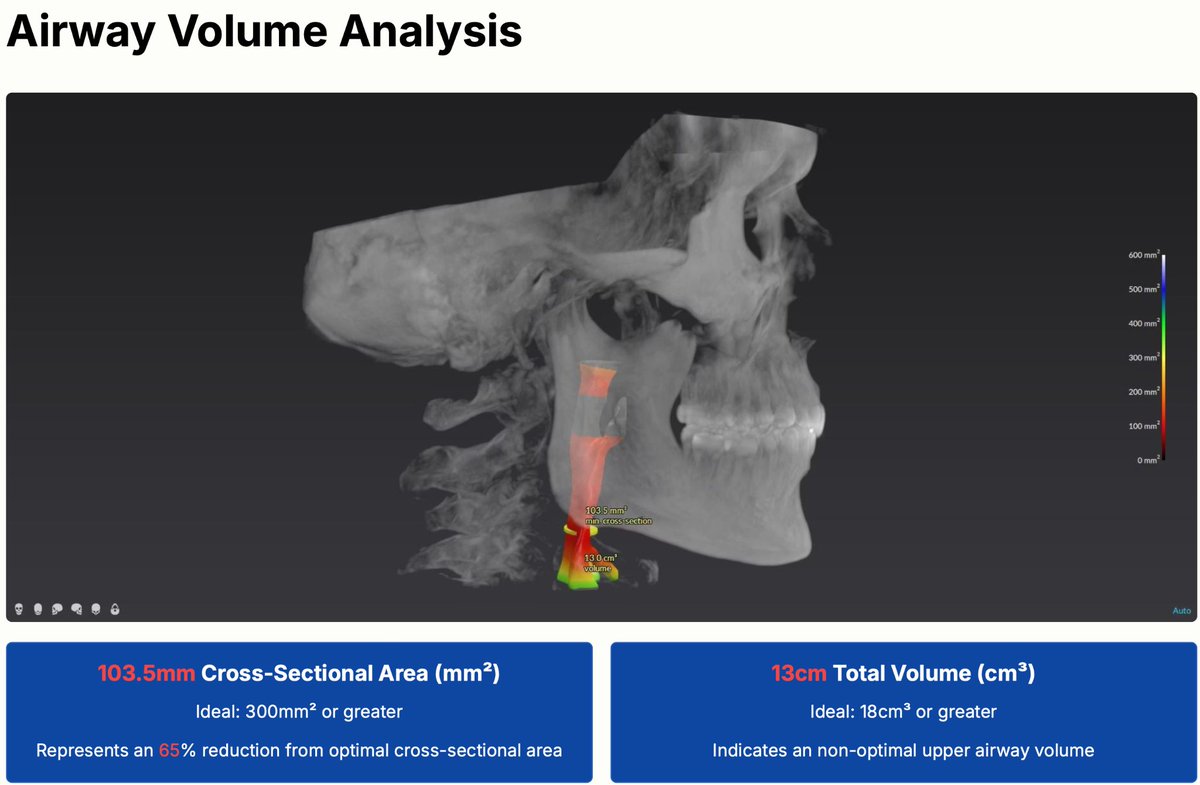
I am, anatomically speaking, breathing through a cocktail straw.
The sleep data matched this pencil-necked data. On the night I’m looking at, I was in bed nearly eight hours with 91% sleep efficiency, which is what my Garmin congratulated me for. But according to the sleep study ring, only 42% of that sleep was the stable, restorative kind! On my worst night, stable sleep was 12%.
12%! No wonder I wanted a nap at 2pm.
There’s an easy way to test if your airways might be causing you breathing issues.
-
Firstly, try breathing solely through your nose for 3 minutes. If that feels like mild suffocation, well that’s a pretty clear indication something is wrong!
-
The second test is one that surprised me (called the Cottle maneuver if you want to look it up). The ENT had me put 2 fingers on my cheek beside one nostril, and pull gently towards my ear. Immediately, my breathing got easier: apparently because my nasal valve was collapsing inwards as I inhaled!
What my sleep study and ENT experience seemed to indicate is that I have upper airway resistance. I don’t have full-on sleep apnea, but definitely do have more fragmented sleep and more effortful breathing.
After my measurements, the ENT recommended 2 smaller fixes: sleep with nostril expanders and mouth tape, and get measured for a jaw device that will move my jaw forward ever so slightly as I sleep.
If these interventions don’t work, I’m told I should go for the big one: a full palate expansion, that involves cracking the bone at the roof of my mouth and screwing in a device that widens my upper jaw over several months. The studies on expansion in adults are encouraging (and I have 2 friends who swear it changed their lives), but there haven’t been huge studies around this.
So naturally, I’m running my own experiment first, starting with things that don’t involve screwing metal into my mouth.
I’ll be re-testing my sleep with the same ring as I go. My goal is for 50%+ of my sleep to be stable thanks to a $15 piece of plastic in my nose. If this doesn’t work, well I guess the screws get more interesting.
In the meantime, try the three-minute test. And if you’re sleeping eight hours and waking up wrecked, my suggestion is that your airway is worth a look.