how to beat frustration.

文章目录
One of the things I've noticed over the years, especially among people getting started in business, investing, e-commerce or crypto, is how easily some of them get discouraged when things don't go the way they expected.
I've seen friends give up on projects because they lost faith in what they were building, people walk away from opportunities because the results weren't coming fast enough, and countless posts on X from people ready to throw in the towel simply because reality isn't matching their expectations.
And honestly, I get it.
It's frustrating to put time, energy, and sometimes money into something without seeing the results you hoped for. But I think this is one of those things we need to learn to deal with if we want to build anything meaningful in the long run.
That's why I wanted to write this article, share what I believe are some of the main reasons behind this problem, and explore a few ways to deal with it.

SET REALISTIC EXPECTATIONS.
I touched on this topic in my previous article, which I'll leave linked here for anyone interested:
I think it's worth revisiting because unrealistic expectations are one of the main reasons people get frustrated in the first place.
Having a plan for your expectations isn't just about setting goals. It's about learning to distinguish between what you want to achieve, what you can realistically achieve, and what you're willing to do to get there.
A lot of the time, we get frustrated not because we're doing things wrong, but because we're expecting results that don't match the time, resources, or effort we're putting in. We want to build a successful business in a few months, make money in a market that doesn't reward us yet, or see years of progress come together almost overnight.
On the other hand, there are also people who settle for far too little because they've never stopped to think about what they actually want in the long run. But that's a topic for another article.
In general, I believe expectations should be realistic without limiting your ambition. You need short term goals you can work toward and accomplish step by step, knowing that over time, those small wins can add up to something much bigger.
What we call our dream is often just the result of many smaller goals pursued consistently over a long period of time.
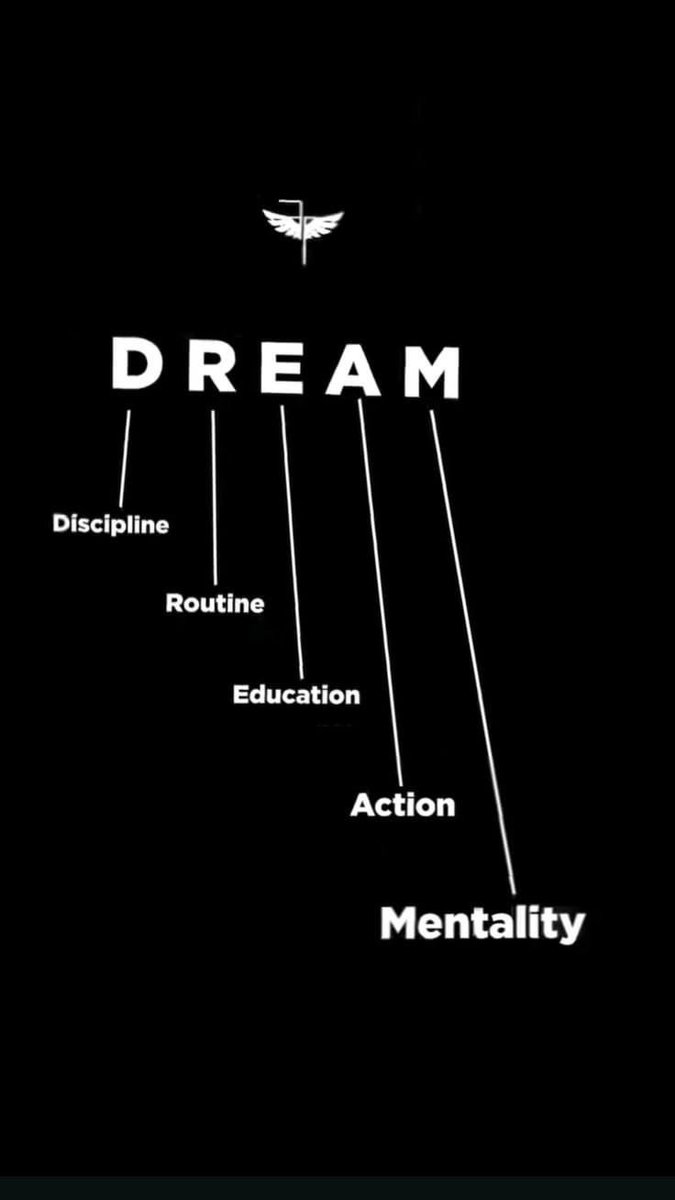
Here are a few things I think are worth keeping in mind:
1. LEARN TO DISTINGUISH BETWEEN DESIRES, GOALS, AND EXPECTATIONS.
These three things might sound similar, but they're not the same.
A desire is something you'd like to have or achieve, whether that's landing a great job, making a lot of money, or building a successful business. A goal is something more concrete that you can actively work toward, such as getting a position at a tech company.
An expectation, on the other hand, is what you reasonably believe you can achieve given your current situation, available resources, timeline, and willingness to put in the work.
Wanting to make a lot of money doesn't automatically give you a realistic expectation of doing so. Developing valuable skills, building a strategy to increase your income, and learning how to recognize opportunities gives you a much stronger foundation.
There's nothing wrong with wanting big things, but you need to understand the difference between wanting something and having a reasonable path toward achieving it.
2. BREAK YOUR EXPECTATIONS INTO THREE TIMEFRAMES.
One of the best ways to manage your expectations is to think in terms of three different timeframes, each serving a different purpose.
SHORT TERM: 0 TO 3 MONTHS
MID TERM: 3 MONTHS TO 2 YEARS
LONG TERM: 2 YEARS AND BEYOND
The key distinction here is that short term expectations should generally be more specific, while long term expectations should leave more room for uncertainty. You can commit to studying five hours a week for the next month because that's largely within your control. Expecting to earn a specific amount of money five years from now is a different story, since it depends on countless variables you can't fully predict today.
Having a clear direction matters, but you also need to give yourself room to adapt along the way. Your long term vision can remain ambitious without requiring you to know exactly how everything will unfold.
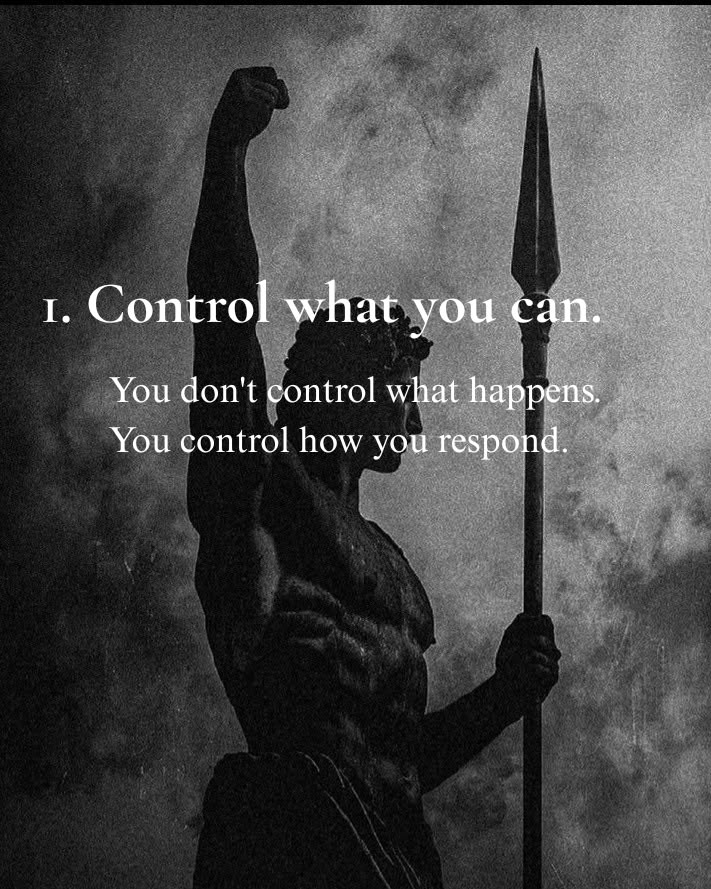
3. LEARN TO SEPARATE WHAT YOU CONTROL FROM WHAT YOU DON'T.
I think this is one of the most important principles to understand if you want to set realistic expectations without becoming complacent.
There are things that depend primarily on you, such as how much time you spend learning, how well you prepare for an interview, the quality of your work, the habits you build, and how many opportunities you pursue.
Then there are things you can't fully control, such as whether a company hires you, whether a business succeeds, whether the market goes up or down, how other people respond, or whether your efforts pay off within the timeframe you had in mind.
Your plan should be built around firm commitments to the things you control and flexible expectations about the things you don't.
For example, instead of telling yourself "I'm going to get a better job within two months" you could say:
"Over the next two months, I'm going to improve my profile, complete a project I can showcase, and consistently apply for relevant opportunities. My goal is to land a better job, but I'll also measure my progress by the quality of the opportunities I create along the way."
The second approach isn't less ambitious. It's simply more resilient to uncertainty. You're still working toward the same outcome, but you're no longer making your entire sense of progress dependent on something that isn't entirely in your hands.
4. STOP TREATING THE BEST POSSIBLE OUTCOME AS THE ONLY ACCEPTABLE ONE.
Another useful technique is to stop relying on a single prediction about how things will turn out. Instead, define three possible outcomes for each goal: a minimum acceptable result, an expected result, and an ambitious result.
Let's say you want to develop a professional skill over the next three months:
Minimum: Complete a course and understand the fundamentals.
Expected: Complete the course and develop a practical project.
Ambitious: Develop the project, build a portfolio, and use it to access new opportunities.
All three outcomes represent different levels of progress, but only one of them requires everything to go particularly well. This approach allows you to stay ambitious without convincing yourself that anything short of the best possible scenario is a failure. You can still aim high while recognizing that meaningful progress doesn't always look exactly like you imagined it would.

LEARN TO DEAL WITH FRUSTRATION.
So far, we've talked about situations where frustration comes from our own mistakes, unrealistic expectations, or simply a lack of knowledge. These are all things we can work on improving, and I think learning to recognize them is a fundamental part of the process.
But the truth is, not all frustration comes from doing something wrong. We're all different, and some people are naturally more prone to frustration than others. No matter how well you plan, how much you learn, or how carefully you make your decisions, there will be moments when the process gets incredibly difficult.
You'll face periods of uncertainty, setbacks you couldn't have anticipated, and situations where you feel like you're putting in everything you've got without getting much in return.
And sometimes, you'll be exactly where you need to be, doing exactly what you should be doing, and still feel completely frustrated.
That's just part of the journey.
The real challenge is learning how to handle the uncomfortable periods without letting your emotions dictate your decisions. Sometimes, the best thing you can do is take a step back, accept that things are difficult right now, and keep showing up without expecting every day to feel productive or rewarding.

SO, HOW DO YOU INCREASE YOUR TOLERANCE FOR FRUSTRATION?
By learning to deal with discomfort instead of constantly trying to avoid it. Put yourself in challenging situations that force you to adapt, stay focused, and keep going even when things get difficult.
For example, imagine having an incredibly demanding week where you're barely getting enough sleep, everything seems to be happening at once, and you're struggling to keep up with your responsibilities. If you manage to get through that week and meet your goals despite the difficulties, you'll have gained something valuable: proof that you're capable of handling more than you initially thought.
Over time, your tolerance for frustration grows through these experiences. Things that once felt overwhelming gradually become more manageable because you've learned how to deal with them. If you understand this and stay consistent, you might look back a few months from now and realize that you're handling situations that would've seemed impossible when you first started. The circumstances haven't necessarily become easier. You've simply developed a greater capacity to deal with them.
The goal isn't to make your life as difficult as possible, but to stop treating every uncomfortable situation as something you need to escape from. Challenge yourself, learn to sit with discomfort, and give yourself the opportunity to discover what you're actually capable of handling. That's how you build resilience over time.

Thanks for reading! I hope you enjoyed the article. If you have any feedback, specific questions, or topics you'd like me to cover, feel free to let me know.
I'm also leaving some of my other articles here that you might find useful.