The Merchant Banking Playbook

文章目录
部分视频或图片暂未收录,已在正文保留提示;需要时可查看原文。查看原文 ↗
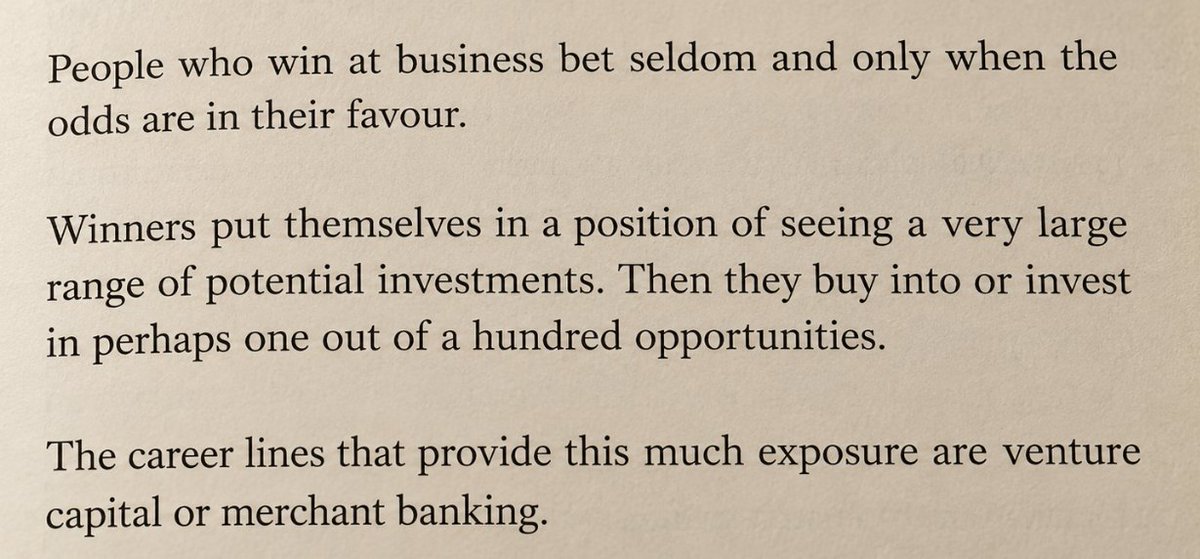
Merchant banking catapulted ordinary merchants into some of the richest financial dynasties in history.
It is one of the most powerful playbooks for building a dynasty.
These families went from selling commodities in street markets to financing the states and infrastructure that built the modern West.
The Power of Merchant Banking
The author experienced the power of merchant banking firsthand. His own grandfather arrived in a Moravian town atop a hay cart loaded with corn, lent money at five percent to men he trusted, and died as the richest man in town.

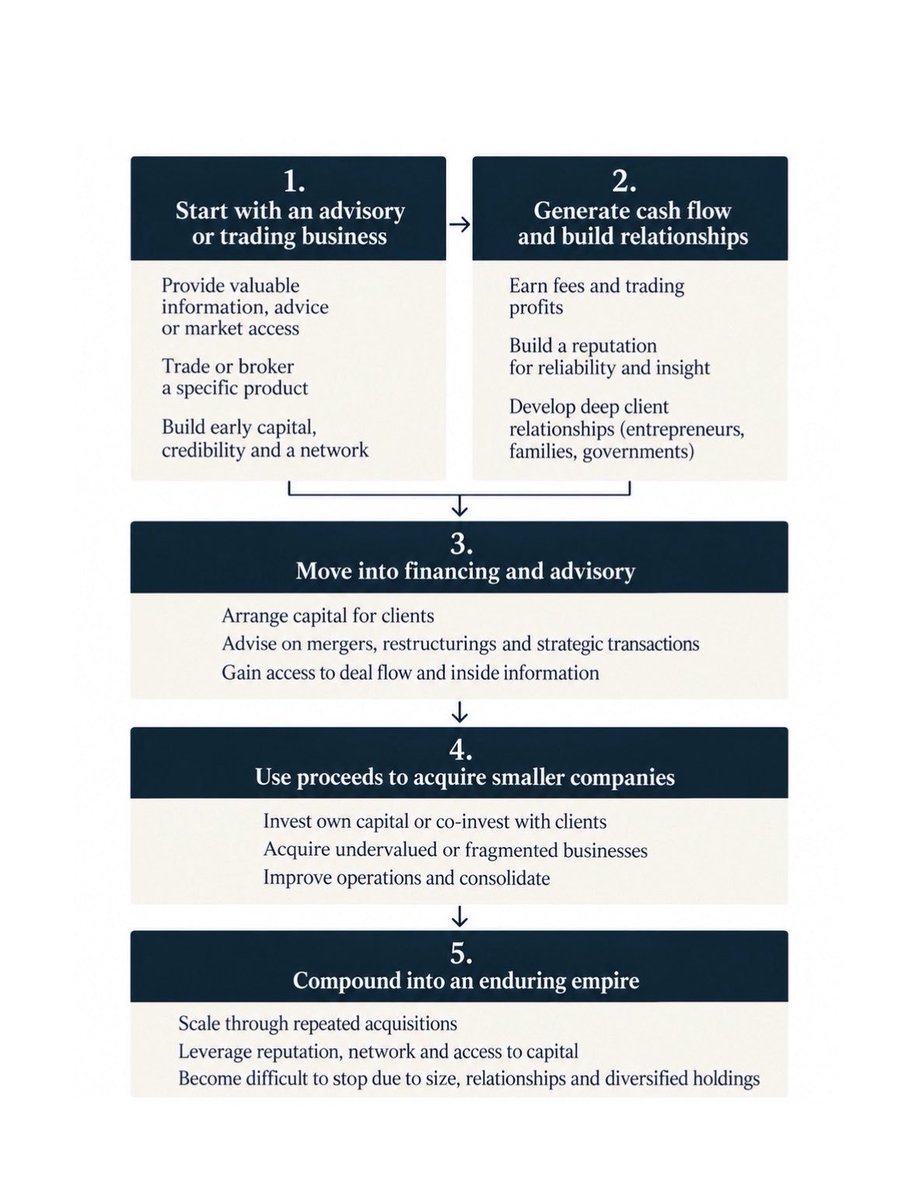
Wechsberg spent much of the mid-1960s inside seven merchant-banking houses while researching the book, and the founders of all seven followed the same five-step progression as his grandfather.
1) Sell Goods and Services
The founder begins with a product such as silk or raw cotton. He learns the market around it, builds relationships with buyers and sellers, and often sells on credit, which quickly shows him which customers are reliable.
2) Generate Cash Flow and Build Relationships
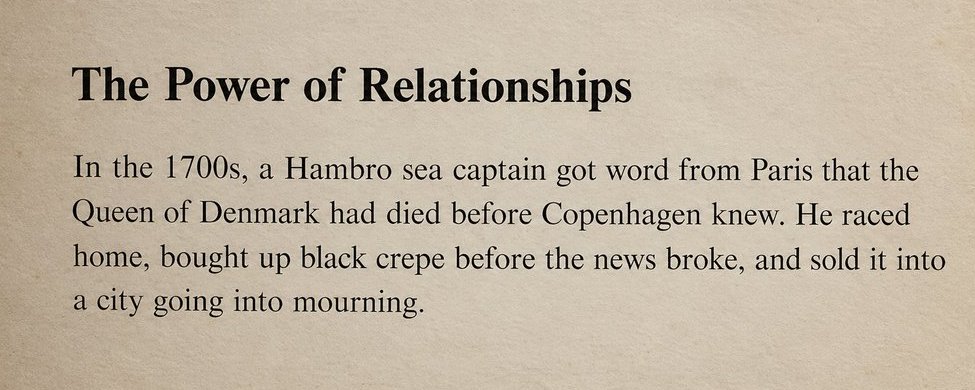
As his name becomes trusted, the merchant can monetize that trust.
He signs bills of exchange and guarantees payment between buyers and sellers. The seller gets paid immediately, the buyer settles later, and the merchant earns a commission for putting his name behind the transaction.
As confidence in his name grows, larger customers bring him larger business, from shipowners and industrialists to governments.
His reputation now produces recurring fee income.
3) Move from Credit into Financing and Advisory
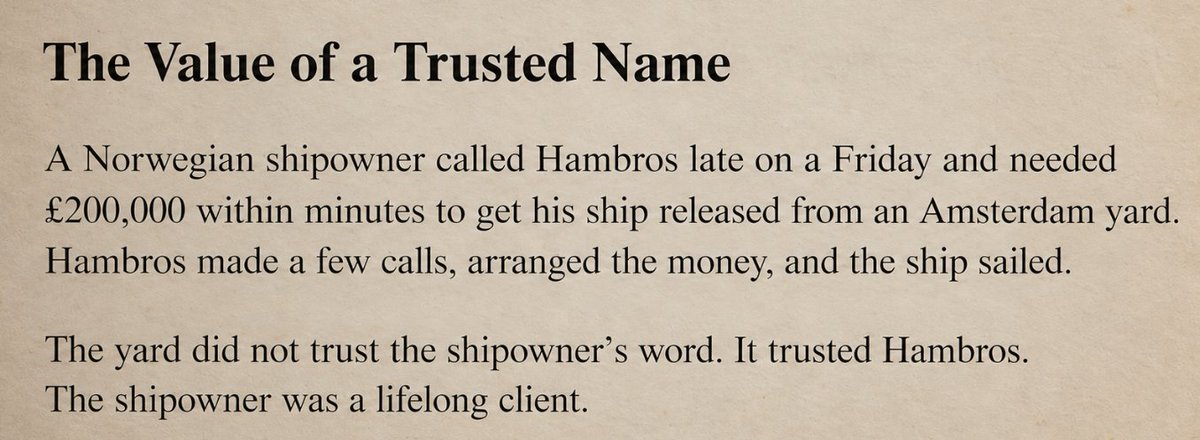
By this point, he has built a network of clients, lenders and investors and understands what kinds of borrowers the market will fund and on what terms. Instead of guaranteeing a single transaction, the merchant banker begins raising entire pools of capital for companies and governments.
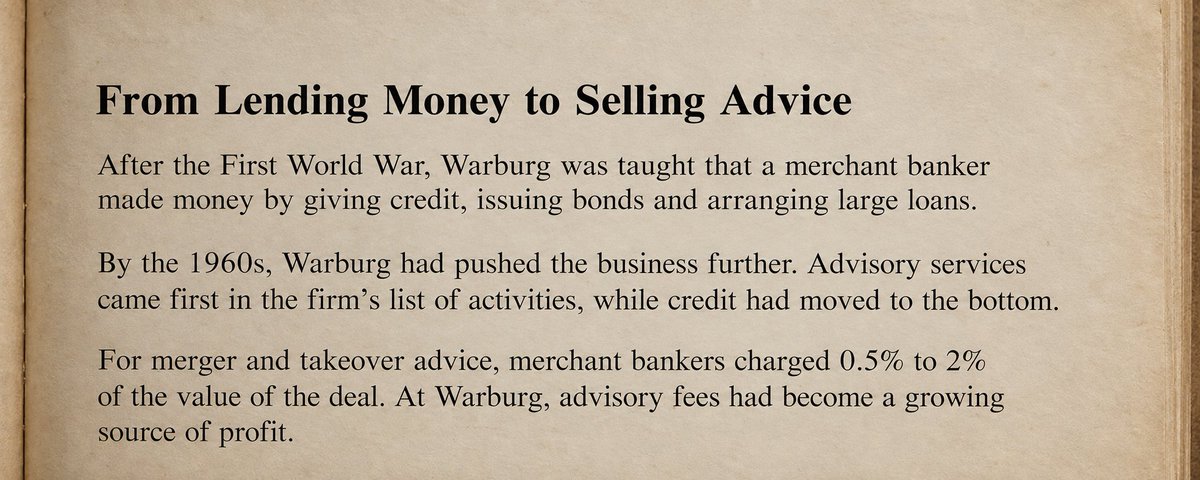
He arranges loans, places securities and brings outside capital into companies and governments that need it. Working on those financings pulls him deeper into major decisions. Clients begin paying him to structure mergers, acquisitions and other transactions.
4) Buy Companies and Roll Them Up
This stage accelerates wealth creation. The merchant banker now owns part of the businesses he understands best and can compound that ownership through acquisitions.
In modern terms, this resembled the Richard Rainwater playbook. Find capable operators, give them capital and strategic support, place them around businesses with room to grow, and keep meaningful equity alongside them.
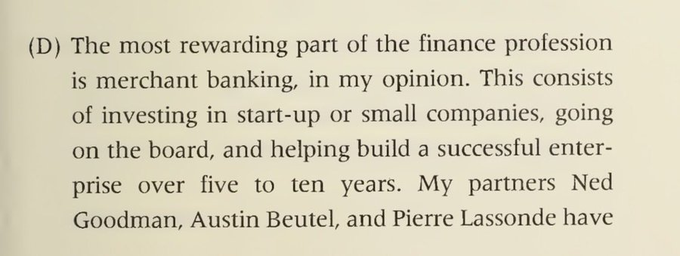
Merchant banks often preferred minority stakes that left management with the operator while the banker supplied money, advice and connections. In larger situations, they assembled equity and debt, took control of the company, and used it as a platform for acquisitions, restructuring and expansion.
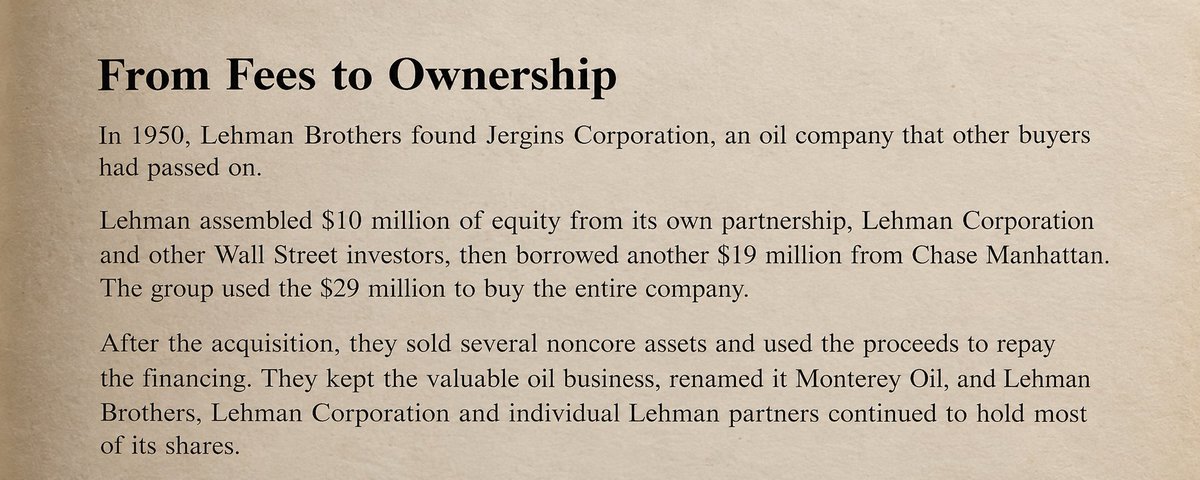
5) Build an Enduring Financial Empire
What began as one merchant’s judgment becomes an institution designed to survive generations.
The final step is making the house survive the founder.
By the second and third generations, the family name remains at the center while capable partners from outside the family take on more of the operating work.
The next generation starts with clients, capital, relationships and a name that already opens doors. It begins where the previous generation finished.