the memecoin codex - i
文章目录
i. the tunnel

Tunnel (Dandadan)
before we start, i feel i should make something abundantly clear
this isn't going to be your standard trading guide that simply tells you to "keep trying" and sends you on your way
i'm going to be blunt (sometimes overly so) about what this game actually is, how difficult it can be, and what it can cost you
i've only actually spent a few months of my life trading in total, so i'm not going to pretend i'm some authority on the subject
still, i feel infinitely confident in my ability to articulate how i think about things, and this is the kind of guide i wish someone had written for me when i started
so i'll give you my perspective as honestly as i can, and you can decide what you glean from it
*“The very cave you are afraid to enter turns out to be the source of what you are looking for” *— Joseph Campbell, Reflections on the Art of Living
edge
Bachira (Blue Lock)
one of the first things you need to figure out is what you can actually do better than everyone else
everyone has something, it doesn't mean you have to understand everything about the market, it just means you need something to give you an advantage
as an example, for me, it's speed
i've typed my whole life, typed, and typed, and typed, and i never realized it would eventually give me something useful
i type faster than most memecoin traders and my reaction time is extremely fast, so i've built my style around that
i'm not going to trade esoteric trend coins when i'm not good at identifying what makes a trend viral
i'm not going to trade complicated tech projects when i don't understand the technology
there are people who are better at understanding pop culture, people who are better at understanding software, and people who are better at programming
this isn't a problem, the game is inherently and fundamentally based around this knowledge differential
everything you've done in your life can probably be used as an edge somehow
maybe it's something you've spent years learning without realizing it, maybe it's something you're naturally good at, maybe it's something nobody else thought mattered
figure out what it is, then devour everyone with it
you're competing with other people for the same money, but that doesn't mean you need to be the best trader in every situation
it merely means you need to be very good where you have an advantage
find what you're good at → build around it → maximize it
*“The man who moves a mountain begins by carrying away small stones” *— Confucius
risk

Yumeko (Kakegurui)
risk is something you should take seriously from the beginning
i don't really believe in the idea that you need to "pay tuition" to become a good trader
if you can learn something with cents, why would you deliberately lose hundreds or thousands just to learn the same lesson?
when you're starting out, you should be comfortable risking nothing
there's no prize for blowing up your port early, and losing money doesn't magically make the lesson more valuable
eventually, risk becomes necessary, but the amount you risk should reflect your ability to actually exploit it
the better you become, the more opportunities you'll recognize where taking that risk makes sense
until then, minimize it
*“Count the cost—and then, if your desire still holds, try the wrestler’s life" * — Epictetus
money

Kakuzu (Naruto)
people will show you the money before they show you anything else
you'll see someone post a massive PnL and your brain immediately wants to know how they did it
but it's like looking at a scoreboard and thinking you've watched the entire game
the number is real, but it tells you almost nothing about what happened to produce it
you don't know what they risked, how many times they lost, how long they've been trading, how much they started with, or whether the result was repeatable
that's why you should be careful about letting someone else's PnL become your benchmark
money is the scoreboard, not the strategy
the money is real, but so is the price
*“Price is what you pay, value is what you get” *— Warren Buffett
time

Makise & Okabe (Steins;Gate)
time is probably the most underestimated part of trading
you need to spend a lot of it around the market if you actually want to understand what's happening
you need to know:
-
what coins exist
-
what happened earlier
-
what people are talking about
-
what's already pumped
-
what hasn't
-
why something is moving
eventually, you start recognizing things without even thinking about them
it's the same thing that happens when you've played a game for thousands of hours, you stop thinking about every individual movement and your hands just know what to do
you don't suddenly become smarter, you've just seen the situation enough times that your brain already knows what it's looking at
trading can become the same way
you see a name, a wallet, or a narrative and already have some idea of where it came from
at first you're studying the market
then you're recognizing it
eventually, you're seeing it
but there is a difference between spending time and actually using it
you can spend thousands of hours doing the wrong thing and become extremely good at doing the wrong thing
time is a forge, it doesn't care what you put inside
put the wrong thing in long enough and you'll forge yourself into a better version of the wrong trader
*“The future depends on what you do today” *— Mahatma Gandhi
gambling
Akagi (Akagi)
trading and gambling can look almost identical from the outside
the difference is usually why you clicked
if you have a thesis, a reason to enter, or some kind of advantage you're trying to exploit: that's trading
if you're clicking because you're bored and want to see green or red: that's gambling
the button doesn't know the difference
you do
that's part of what i like about Usogui
the insane gambles aren't interesting simply because they're risky, they're interesting because there's usually an actual reason behind them
someone is reading the room, calculating probabilities, hiding information, manipulating someone else, or waiting for the exact moment to act
that's very different from clicking a coin because you want to feel something happen
you can enjoy the gambling aspect of trading without actually being a bad trader, but you need to be able to separate the two
because once the reason disappears, you're not trading anymore
you're feeding the casino
*“In a gamble ... assumption is dangerous!” *— Baku Madarame, Usogui
losses

Naruto & Sasuke (Naruto: Shippuden)
you're going to lose
that's probably one of the first things you need to accept if you're going to trade, but a losing trade doesn't necessarily mean you made a bad decision and a winning trade doesn't necessarily mean you made a good one
you can buy something late and get lucky enough to watch it pump another 50%, but that doesn't make the trade good
you can execute perfectly and still lose because something unexpected happened, and that doesn't necessarily make the trade bad either
that's one of the hardest things to accept because your PnL doesn't care how good your reasoning was, it only tells you the outcome
think of every loss as a mirror, it shows you the decision you made without caring whether you like what you see
what matters is whether the decision made sense with the information you had at the time
after a significant loss, don't focus on making the money back, focus on understanding why you lost it
sometimes you'll realize you made a mistake, sometimes you'll realize you got unlucky, and sometimes you won't even know which one it was yet
that's part of learning
don't smash the mirror because you don't like what it showed you
*“Experience is the name every one gives to their mistakes” *— Oscar Wilde, Lady Windermere’s Fan
intelligence
Johan (Monster)
you don't need to be a genius to trade, but you do need to be able to think
the important part is that intelligence doesn't look the same in everyone
someone can be academically brilliant and have terrible instincts around people, while someone else can process social information almost instantly without being particularly academic
some traders are analytical, some are extremely fast, some understand people, some understand technology, and some have an incredible ability to recognize patterns
experience eventually becomes its own form of intelligence too
you see something once and it's new, you see it a hundred times and it becomes familiar, and eventually your brain starts recognizing the situation before you've consciously explained it
the most useful trait might actually be adaptability
the market changes constantly, so being able to take new information and immediately adjust what you're doing is incredibly valuable
you don't need to know everything, you need to be able to learn anything
“It is impossible for a man to begin to learn that which he thinks that he knows" — Epictetus
mindset

Ayanokōji (Classroom of the Elite)
you don't need to become a monk to trade
you're going to feel everything:
-
anger
-
excitement
-
frustration
-
greed
-
fear
-
euphoria
that's part of being human
the problem starts when those feelings start making decisions for you
a loss happens → you get angry → you want it back → you size up → you lose more
that's how a bad trade becomes a bad day
the dangerous part is that every click can feel justified while you're doing it
your emotions don't need to disappear
they just can't be the ones holding the wheel
you can be angry and still walk away
you can be excited and still wait
you can be afraid and still execute
feel everything, obey nothing
*“If you are pained by external things, it is not they that disturb you, but your own judgment of them” *— Marcus Aurelius
sacrifice
Edward (Fullmetal Alchemist)
people don't show you what trading takes from them
they show you the PnL, the wins, the new car, but not the nights they stayed up watching charts or the time they stopped spending with other people
one of my favorite anime, Fullmetal Alchemist, has an entire philosophy built around equivalent exchange
to obtain something, something of equal value must be lost
trading isn't quite that simple, but the principle still applies
if you want to become genuinely good at something, something else usually has to give
for me, that has meant sleep, social life, other interests, relationships, money, and a lot of free time
and that's the part people don't really talk about
you're not just spending time learning to trade, you're exchanging that time for something else you could have been doing, whether that's sleeping, seeing friends, pursuing another interest, or simply living a different life
maybe that's worth it to you, maybe it isn't
you don't necessarily have to sacrifice everything to become profitable, but you can't expect serious improvement without giving something up
every hour has a price
every night spent learning is a night spent somewhere else
every dollar risked is a dollar that could have stayed in your pocket
every year you dedicate to this is a year you could have spent doing something completely different
equivalent exchange doesn't care what you want
*“To obtain, something of equal value must be lost” *— Alphonse Elric, Fullmetal Alchemist: Brotherhood
enter

Lain (Serial Experiments Lain)
so, should you actually trade
if you're looking for easy money, probably not
if you're unwilling to spend years learning something you might never become exceptional at, probably not
if you can't sit through boredom, frustration, losses, and repetition without eventually losing your mind, probably not
the market isn't going to open a door for you just because you decided you wanted to become a trader
you have to build your own way through it
and that's what this tunnel is really about, you don't know how long it is when you enter
you might walk for months and realize you're terrible at this
you might walk for years and realize you were never going to be exceptional
or you might eventually look back and realize that every hour, every loss, every boring night, and every mistake was taking you somewhere
that's the gamble you're actually making when you start
not whether some coin goes up, but whether you're willing to spend a part of your life finding out what you're capable of
if you're willing to find out, then there's only one thing left to do
step inside
*“The very cave you are afraid to enter turns out to be the source of what you are looking for” *— Joseph Campbell, Reflections on the Art of Living
ii. the map
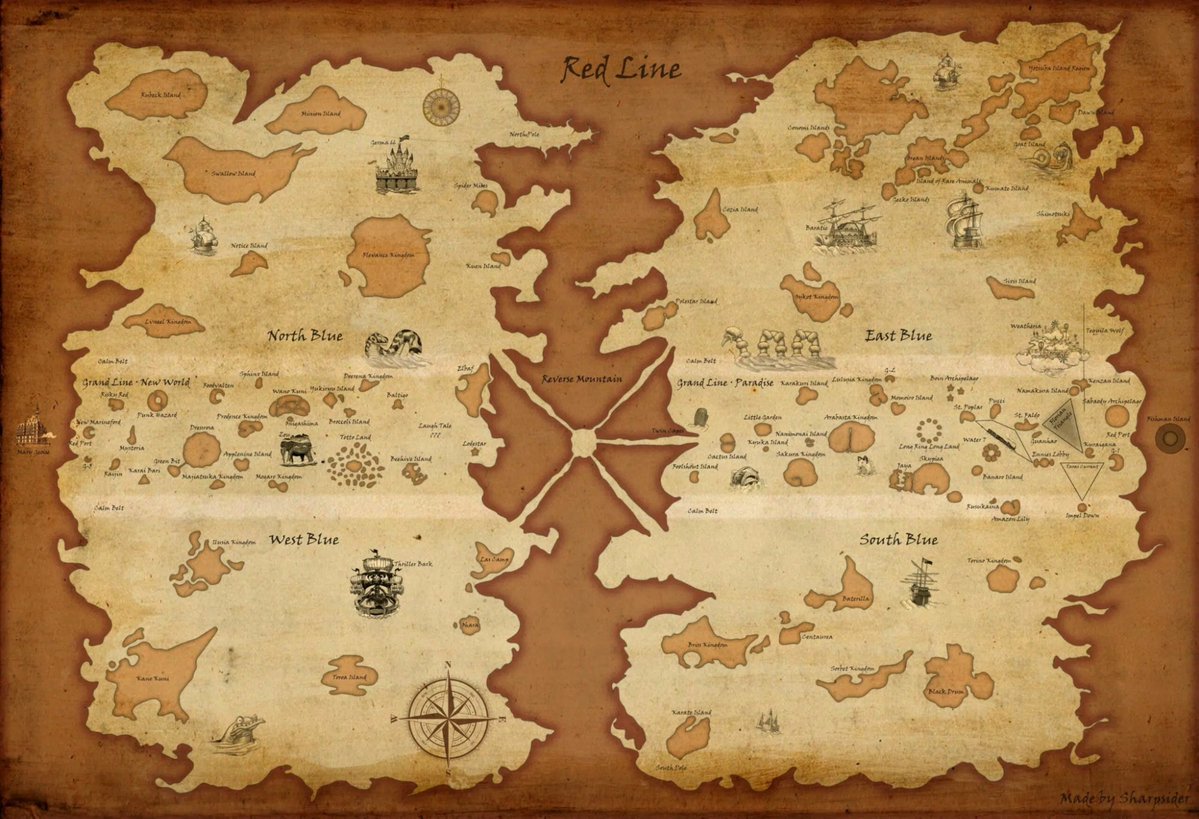
One Piece Map
when you first look at the market, it feels like you're standing in the middle of a city you've never seen before
thousands of coins, thousands of wallets, endless accounts, charts moving everywhere, and no obvious indication of what actually matters
you don't need to memorize the entire city
you need to learn how to read the map
*“The map is not the territory” *— Alfred Korzybski
attention

Yuichi (Tomodachi Game)
everything starts with attention
elon posts a picture of his dog → someone notices the name → someone launches a coin → people buy it → more people notice it → everyone starts talking about it
then the attention moves somewhere else
you'll see the same thing with celebrities, memes, games, animals, news, politics, technology, literally anything that can make someone stop scrolling
i remember the Gucci Morty trend, if you were already watching when it started, you had an opportunity
if you discovered it after the entire timeline had already moved on, you weren't early to the trend anymore
that's the part you need to recognize
don't just ask what is trending, ask how long it has been trending
*“The attention of the investor is an important source of price movements” *— Brad M Barber and Terrance Odean
flow

Gon (Hunter x Hunter)
every coin needs buyers
when you buy, you're taking a position from someone who got there before you, and when you sell, you're giving that position to someone else
that's the part of the market you need to understand, because every coin has a different group of people moving through it
some buyers are early, some are late, some are holding for a narrative, some are trading the momentum, and some are simply looking for somewhere to put the money they just made
when a coin starts dying, those people don't disappear
they start looking for somewhere else to go
follow the money, but pay attention to where it's going next
*“Money is a terrible master but an excellent servant” *— P T Barnum
competition

Light & L (Death Note)
you're competing against everyone else who wants the same trade
the opportunity might be visible to everyone, but that doesn't mean everyone gets the same opportunity
one trader sees the post immediately, another sees it ten seconds later, another already has a tracker watching the account, and another has traded the same situation enough times to recognize it instantly
then comes execution
your platform might be faster, your connection might be cleaner, or you might simply understand the situation better
that's why you need to know what part of the trade you're actually capable of winning
you don't beat everyone everywhere, you beat them where you're better
*“Know the enemy and know yourself; in a hundred battles you will never be in peril” *— Sun Tzu
outsiders

Waver (Fate/Zero)
a lot of people look at crypto from the outside and think the entire thing is a scam
i wouldn't even say they're necessarily wrong, there are plenty of scams
but dismissing the market entirely because some of it is fraudulent means you're throwing away useful information with the garbage
you should be able to look at criticism from someone who hates crypto and still ask whether there's something true inside it
the same applies to people inside the market
being bullish doesn't make someone right, and being cynical doesn't make someone smart
you don't need to agree with someone to learn from them
*“It is the mark of an educated mind to be able to entertain a thought without accepting it” *— Aristotle

Tomoya & Nagisa (Clannad)
twitter is one of the fastest ways to find out what the market cares about right now
it's also one of the easiest places to confuse information with reaction
an original post is information, a trader commenting on it is reaction, ten thousand people repeating the same comment is still reaction
if you don't separate those things, you'll eventually mistake consensus for confirmation
pay attention to who is actually providing information and who is simply repeating what everyone else already knows
the timeline can tell you what people are thinking, it can't tell you whether they're right
*“A lie can travel halfway around the world while the truth is still putting on its shoes” *— Mark Twain
deception
Lelouch (Code Geass)
a lot of what you see in memecoins is designed to make you reach a conclusion faster than you can verify it
a hacked account can create a fake catalyst, a larp can manufacture legitimacy, and a bundled chart can make one person look like a million
none of that means you need to become paranoid about everything
it means you need to verify the things that actually affect your decision
who posted it, who created the coin, which wallets are buying, whether those wallets are actually independent, what happened before you arrived
the more important the information is, the less you should be willing to take it at face value
if one piece of information decides your trade, verify it
*“The greatest enemy of knowledge is not ignorance, it is the illusion of knowledge” *— Stephen Hawking
awareness

Yuki & Yuno (Future Diary)
the smallest detail can completely change a coin
the name might have a typo, the ticker might be weaker than another, the image might be miscropped, the dev might be holding too much supply, important wallets might be in another variation, or something else might separate it from every other version
none of these things automatically make a coin good or bad
they change the probability
that's what awareness is really for, noticing the details that separate one coin from the next before everyone else does
you're not looking for certainty, you're looking for information
*“The eye sees only what the mind is prepared to comprehend” *— Henri Bergson
rotation

Aladdin (Magi)
money and attention rarely stay in one place for long
a coin runs → traders make money → those traders start looking for something else → a new narrative appears → attention moves → capital follows
if you're only watching the coin you already own, you can miss the moment the market has moved on
watch what just started moving, what has already made its run, what narrative is gaining attention, and where the traders who just made money are likely to go next
sometimes the best trade isn't the coin that's already running
it's the one that hasn't started yet
you're deciding whether your capital has a better place to be
*“The important thing is not to stop questioning” *— Albert Einstein
orientation

Baccano!
once you understand all of this, you should start looking at coins differently
you're not just asking whether something will go up
you're asking why people care, where the attention came from, who is buying, what they're seeing, what you might be missing, and where they go when the trade is over
that's what the map gives you; not an answer, but a way to find one
now you can start learning how to move
*“The journey of a thousand miles begins with a single step” *— Lao Tzu
continue → the memecoin codex - ii
then pay attention to whether the strategy still behaves the same way
if your execution gets worse, your entries become hesitant, or you start taking profits differently because the number on the screen feels too large, you've reached a point where your size is ahead of your ability
scale until your strategy changes, then learn how to trade at that size
*“The biggest risk is not taking any risk” *— Mark Zuckerberg
opportunity
Light (Death Note)
the best traders aren't necessarily the people who find the most coins
they're the people who recognize when an unusually good situation appears and know how much of themselves to commit to it
sometimes that means a tiny position because the setup is uncertain
sometimes it means a larger position because several independent pieces of information are pointing in the same direction
and sometimes it means doing absolutely nothing because there isn't enough there
this is where selling becomes important too
you don't need to sell the exact top to trade well
you need to extract enough from the opportunity that the risk you took was worth it
take strength when it makes sense, leave exposure when the remaining upside justifies it, and don't let greed turn a good trade into an argument with the chart
the goal isn't to catch every dollar, it's to make the opportunity count
*“You make your money when you buy, not when you sell” *— Howard Marks
identity
Mima (Perfect Blue)
eventually trading starts becoming less about what you can learn and more about who you're becoming while you do it
you'll find out whether you're patient
whether you're impulsive
whether you need attention
whether you can handle being wrong
whether you can sit alone with a decision that nobody else understands
the market has a way of exposing things you didn't know were there
that's useful information too
you don't have to become some emotionless machine to trade well
you just need to know yourself well enough that your weaknesses aren't constantly disguised as strategy
the market doesn't create your character, it reveals it
*“He who knows others is wise, he who knows himself is enlightened” *— Lao Tzu
freedom
Eren (Attack on Titan)
there is a strange contradiction at the end of all of this
you start trading because you want freedom, then spend years building routines, studying charts, watching markets, and following rules
the freedom doesn't come from being able to trade whenever you want
it comes from eventually being able to choose whether you want to
money gives you options, skill gives you confidence in those options, and discipline keeps you from destroying them
that's why profitability alone isn't the finish line
the real objective is having enough control over yourself and your capital that trading becomes something you can choose rather than something you need
the point was never to become a slave to the market
*“He who is brave is free” *— Seneca
end
The Promised Neverland
if you've made it this far, you probably understand the metaphor
the tunnel was never really about finding a magical exit
it was about walking far enough that you could finally see what was ahead of you
you started with thousands of coins and no idea where to look
then you learned how attention moves, how people compete, how platforms work, how coins are created, how narratives spread, and how traders behave
eventually the market stops looking like an endless wall of noise
you start seeing patterns
you recognize situations
you know what deserves your attention and what doesn't
you know when to act, when to wait, and when to walk away
you won't know what's going to happen
nobody does
but you can become very good at understanding what is happening right now
and maybe that's the closest thing there is to seeing through the darkness
you don't need to know where the tunnel ends, you just need to be able to see the next step
*“It is better to light a candle than to curse the darkness” *— Eleanor Roosevelt