How to Sell More As a Furry Artist
文章目录
You've just finished a new illustration*. You spent hours working on it, proud of the result. Now the "post" button is one step away.
Then, one hour has passed. Two. Three. Twenty-four. No new followers, no commission inquiries, and, certainly, no sales. You start wondering what went wrong. Was it the algorithm? The timing? Your art style? Or perhaps people simply aren't interested?
And this isn't the first time. It feels like you're putting in all this effort just to have your work disappear into the timeline.
Meanwhile, adult life doesn't stop. Bills keep coming, creative blocks happen, and making a living as an artist becomes increasingly challenging.*
We, Brocollie (@real_brocollie) and Pilot (@ThatsPrettyAWD), both artists, have examined a large span of your headaches: acquiring clients, promoting your art, getting more engagement, and more. We read your replies, saw your posts, and we definitely took the time to analyze what is currently keeping your account away from selling more.
Here's what we agreed: your problem might not be the quality of your artwork. It might be how you're presenting and selling it.
In this article, we invite you to rethink why people appreciate your artwork but don't necessarily buy it, and more importantly, five practical things you can start doing *now *to acquire more customers.
Why People Like Your Art But Don't Buy It
Let's start with a simple experiment. Think about the last time you liked, reposted, or shared something on social media.
Why did you do it?
Perhaps it made you laugh. Maybe you resonated with the message, found it relatable, or felt strongly enough about it to share with someone else.
Whatever the reason, something happened:
The content made you feel something.
Social media isn't a thing of this century. In fact, if we look back in history through the lenses of science, our species have always had socialization as a need. To make civilizations evolve, we worked on the speeches we said - because if we want to work together, everyone who participates aims to have something in return. That's not far from nowadays as an artist.
Capture this: if you want to have more people reaching to your art, your job isn't to convince people to like your art, but to understand your customers and give them something back, and that benefit is a warming good feeling - the same one you had when interacting with that post you just thought of.
If there's one thing that you should take away from this it's that people don't interact with your art simply because you spent hours making it. They interact because it makes them *feel *something.
That's a distinction worth thinking about.
You could spend 20 hours illustrating the most beautiful character. But if nobody understands what makes it special, or how they can get something similar, those hours won't necessarily translate into a single sale.
And here's the uncomfortable part:
"Being a good artist" and "being good at selling your art" are two completely different skills.
You can have thousands of followers, who genuinely appreciate your work, without having a single customer.
Therefore, rather than immediately blaming the algorithm, your art style, or the lack of support, let's focus on five things you can actually control.
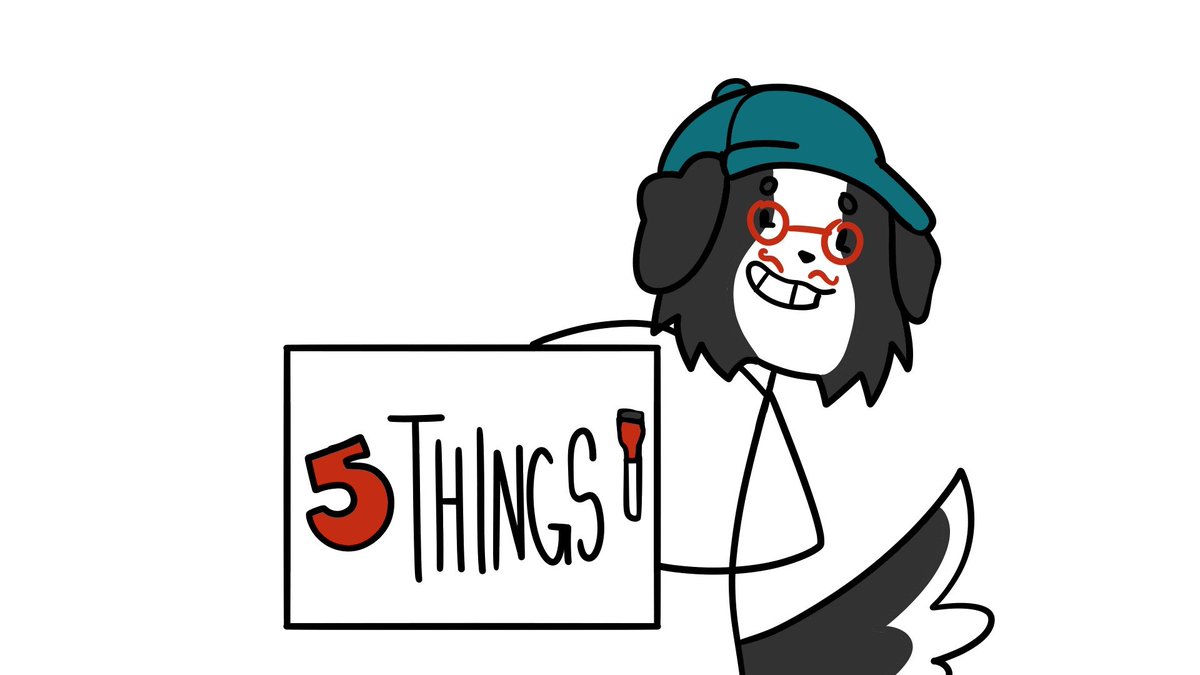
1. Stop Guessing What People Want. Go Find Out.
You probably have a good idea of what you enjoy drawing. But how much do you know about what your potential customers actually want to buy? Those aren't necessarily the same thing.
Maybe you love drawing full-body illustrations, but your audience keeps asking for character portraits. Perhaps your personal favorite pieces receive little attention, while a seemingly simple sketch generates several commission inquiries...
...Sounds familiar?
Your preferences should influence your art, but your customers' preferences should influence your offer.
Start paying attention to what people are actually looking for. Here's a simple exercise:
-
Find six or seven artists who have a similar audience;
-
Pick two popular posts from each account;
-
Look beyond the likes and reposts;
-
Pay attention to the comments, questions, and conversations that suggest purchasing interest.
Are people asking about prices? Are they interested in custom character designs? Do they frequently request specific poses, expressions, or illustration styles? Look for patterns.
There's a difference between someone saying "OMG, beautiful art!" and someone asking *"I want one of these! Can I DM you?". *Both are positive interactions, but only one suggests immediate buying intent.
Your audience is constantly telling you what they want. You just need to start listening 🔊.
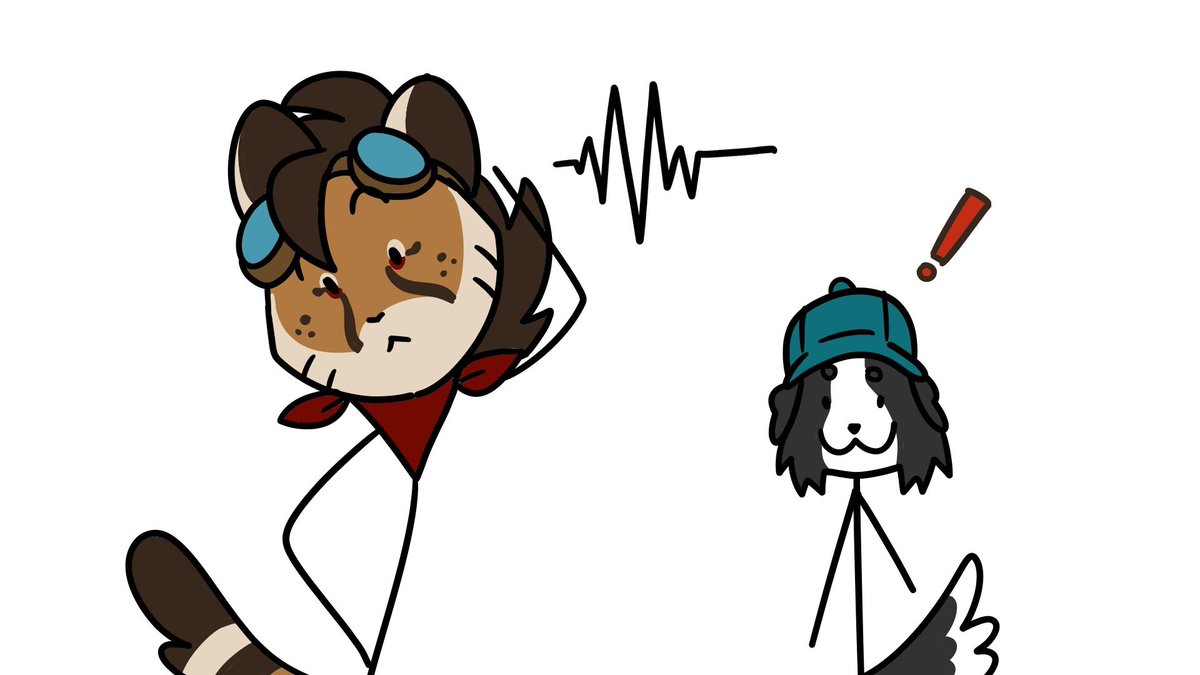
2. Study The Artists Who Are Already Selling.
No, we're not telling you to copy somebody else's style. We're telling you to stop treating successful artists as competition you should avoid. In business, this practice is commonly known as benchmarking: studying what others are doing well, so you can identify opportunities to improve your own approach.
Find artists who share a similar audience and examine how they operate. Then, ask yourself:
-
What kind of content generates conversations?
-
How do they present their commission options?
-
How do they communicate their prices?
-
How do they showcase completed commissions?
-
What makes their customers come back?
Pay particular attention to how they package their services. For example, one artist might simply advertise *"Character illustrations available". *Another might offer clearly defined packages, showing exactly what customers receive and the available customization options. The artwork might be equally good. But the 2nd artist makes the purchasing decision easier.
And that's the point.
You might discover that the difference between you and an artist with a fully booked commission queue isn't necessarily artistic ability. It could be positioning, presentation, communication, or the overall buying experience.
Don't just study the artists you admire. Study the business decisions behind their success📝.
3. Give People a Reason to Buy, Not Just to Hit the Like Button
Something worth remembering: a like doesn't pay your electricity bill.
We know how exciting it feels to see your artwork reach thousands of people. Refreshing notifications and watching engagement grow can be indeed satisfying.
However, if your ultimate goal, is to earn money from your art, you need to think beyond those numbers.
Ask yourself:
What exactly am I offering, and why should someone want it?
Consider this example: are you simply selling a character illustration? Or are you helping someone to bring their original character to life, giving them an opportunity to finally see the character they've spent *months *imagining?
The difference might seem subtle, but it does changes the way people perceive what you're selling. You're no longer communicating just the technical service. You're communicating what the customer gets out of it. This is where you should start making your offer more tangible.
WRITE DOWN THIS:
A potential customer shouldn't have to investigate your entire profile to understand how your commissions worK.
Instead, make things straightforward:
-
Show what they receive: Include examples of the different commission types;
-
Explain your options: Make the differences between packages easy to understand;
-
Communicate pricing: Avoid unnecessary uncertainty about costs;
-
Set expectations: Explain turnaround times, revisions, and the delivery process;
-
Make the next step obvious: Tell people exactly how to request a commission.
You could organize all this information in a pinned post, a commission sheet, your personal website, or a LinkTree.
Think about it from your customer's perspective - they're interested in your artwork, but there is still unclear information. The fewer unanswered questions they have, the easier it becomes for them to make a decision.
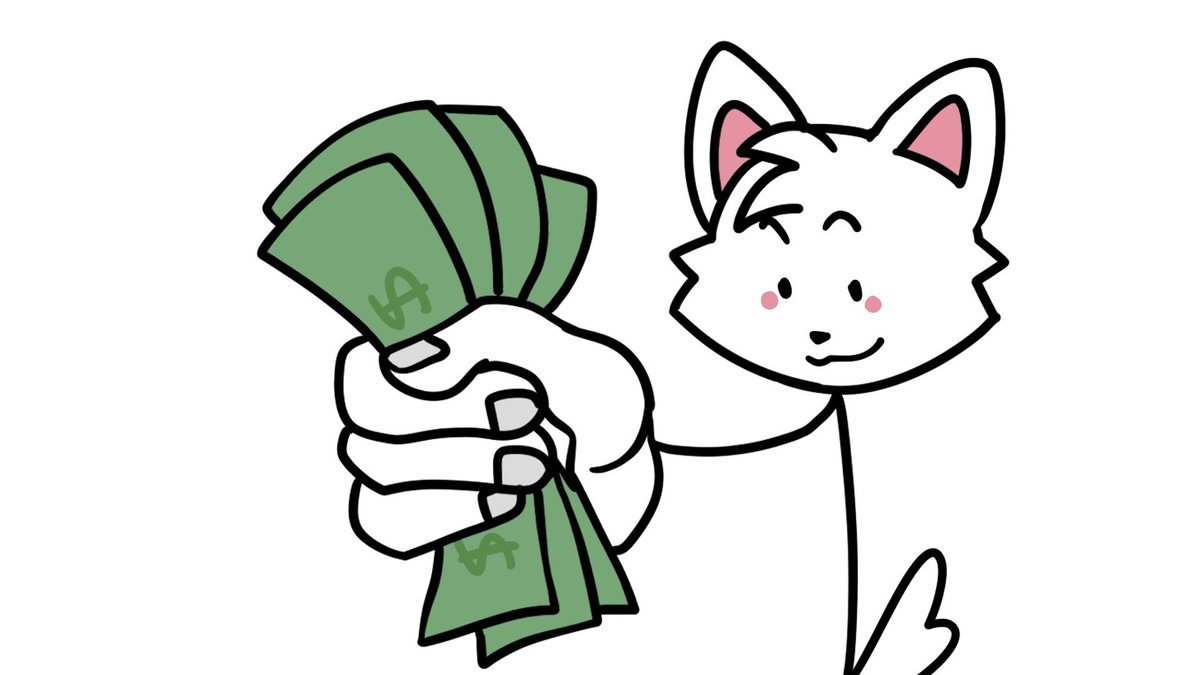
4. Stop Posting & Disappearing. Build Relationships.
X isn't just a place to upload artwork and wait for strangers to discover you.
Remember what we discussed earlier about people connecting with things that resonate with them? The same principle applies to the relationships you build with your audience. People follow people. They recognize familiar accounts, participate in communities, share interests, and develop relationships over time.
If the only time someone hears from you is when you publish a commission, you're missing opportunities to become a familiar and recognizable presence in their community.
So, what can you do?
-
Reply on people's posts.
-
Participate in furry discussions (with common sense, please!).
-
Comment on people's original characters.
-
Celebrate other people's work (we need more of this).
-
Share your creative process and behind-the-scenes moments.
-
Respond to people who take the time to interact with your content.
And don't underestimate the importance of genuinely appreciating your audience. You don't need to turn every interaction into a sales opportunity (this is not LinkedIn, LOL). In fact, constantly trying to sell something can make your presence feel transactional.
Your next customer might already be following you. They just haven't been given enough opportunities to get to know you.
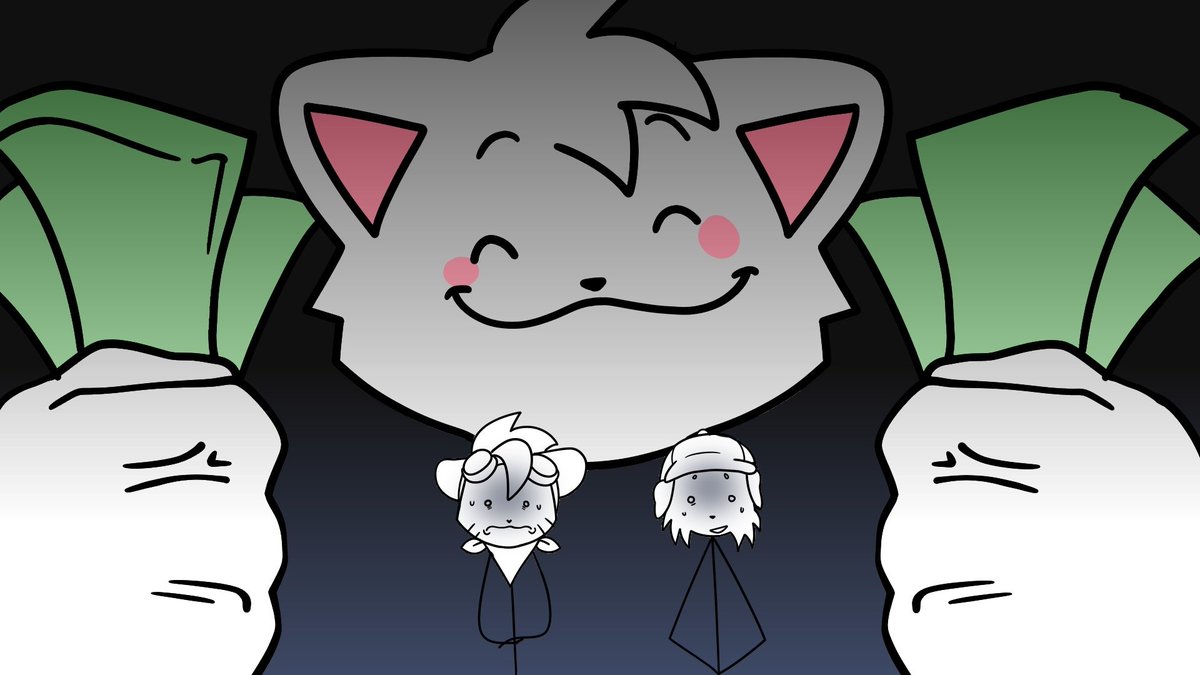
5. Stop Measuring Your Success Exclusively Through Engagement.
Getting thousands of impressions on a post feels amazing. On the other hand, watching your latest illustration struggling to reach 20 likes can be discouraging. But here's a question: which number actually tells you whether your art business is growing?
Imagine two artists:
-
Artist A gets 10,000 likes but receives no commission inquiries.
-
Artist B gets 200 likes and books four commissions.
Which artist is doing better from a business perspective?
Exactly.
And I can tell you from personal experience: I've had a post that has received fewer than 10 likes and still brought me a customer.
That's why you should start paying attention to metrics that are closer to actual sales, such as:
-
Profile visits: Are people interested enough to learn more about you?
-
Commission inquiries: Are potential customers considering your services?
-
Conversion rate: How many inquiries actually become paying customers?
-
Repeat customers: Are people happy enough with your work to commission you again?
-
Referrals: Are existing customers recommending your work to others?
Another useful way to look at it:
-
If your posts get attention but nobody visits your profile, perhaps your content isn't giving people a reason to learn more about you;
-
If people visit your profile but don't inquire, perhaps your portfolio, positioning or commission information needs improvement;
-
And if people inquire but don't purchase, maybe your pricing, offer, communication or purchasing process needs attention.
Instead of treating every unsuccessful post as another reason to feel discouraged, start treating it as learning information.
Marketing isn't about making every post go viral. It's about understanding what makes someone move from discovering your work to actually *paying *for it.
Final Thoughts: Your Art Deserves a Business Behind It.
We don't expect you to become a marketing expert overnight. You're an artist. You have illustrations to finish, ideas to explore, deadlines to meet, and a creative mind to maintain.
But we hope this article has given you a different perspective!
Sometimes, the solution isn't spending another 10 hours perfecting an illustration. It might be spending an hour understanding your audience, improving your commission sheet, or making your offer easier to understand.
You don't need to sacrifice your artistic identity to become better at marketing. You simply need to understand that creating something people love and building a business around it require different approaches.
But you're not alone in figuring all of this out!
Every artist has a different experience. Some struggle to find their audience, others struggle to turn engagement into sales, and some are still figuring out what success even means to them.
We want to hear those experiences.
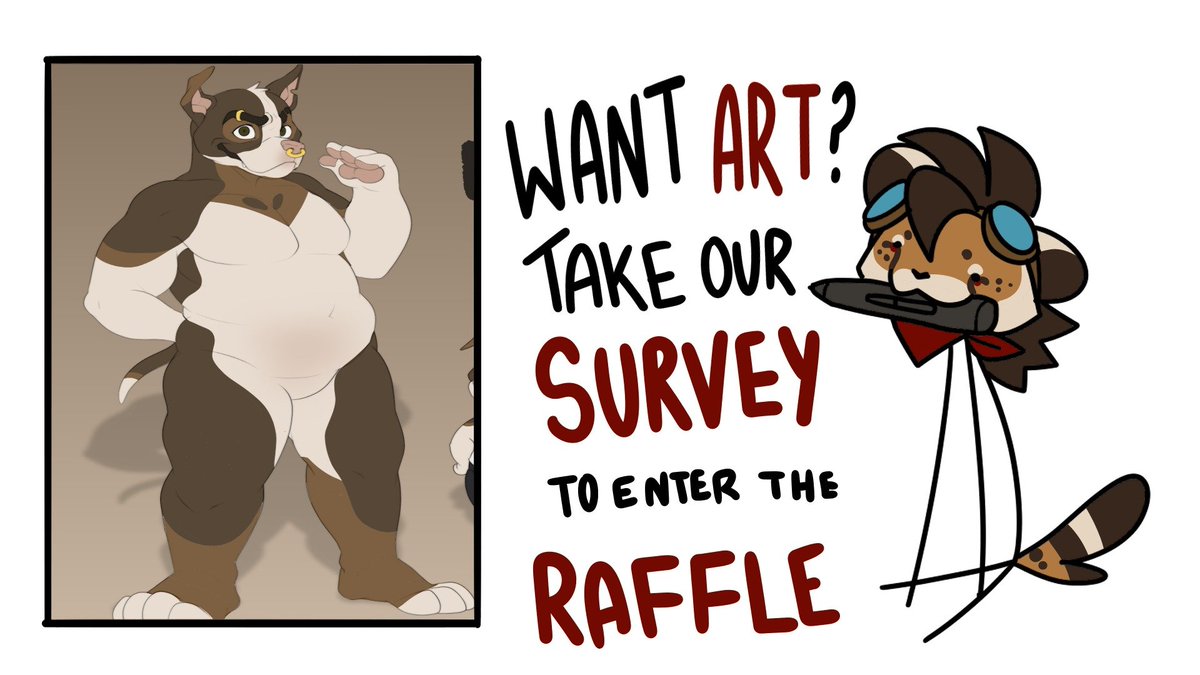
That's why we'd like to invite you to participate in our short survey!
We're gathering responses from furry artists to better understand their challenges, perspectives, and definitions of success. Whether you're a hobbyist, an aspiring professional, or an established artist, your perspective matters.
And as a little thank-you for your time,
EVERYONE WHO COMPLETES THE SURVEY WILL ALSO HAVE A CHANCE TO WIN A FLAT-COLORED FULL BODY RAFFLE BY ARTIST** Pilot (@ThatsPrettyAWD)**
👉 [TAKE THE SURVEY HERE] 👈
Ultimately, we believe the art community grows stronger when we share experiences, exchange knowledge, and collaborate rather than compete.
Written by Brocollie (@real_brocollie), Art by Pilot (@ThatsPrettyAWD).