Jevons paradox is lazy analysis: Evaluating the risk of AI overbuilding with hard maths

文章目录
Earlier last week I posted my calculation that went viral that projected so much compute coming online next year per SemiAnalysis power availability data, that we would need 2.5T revenue to consume all that, even assuming only 50% of compute for inference at - wait for it - DeepSeek V4.1 Flash rates.
I have been running the numbers again and again and have realised the numbers are even more insane than I initially calculated on basis of SemiAnalysis power addition projection, and DS Flash inference economics validated by vLLM and SGLang teams!!!
However, proponents of Jevon's paradox have a great track record. This is sincere attempt to see both side of the arguments by modeling the scenarios. Please do review and let me know what you think.
How reliable is out source data:
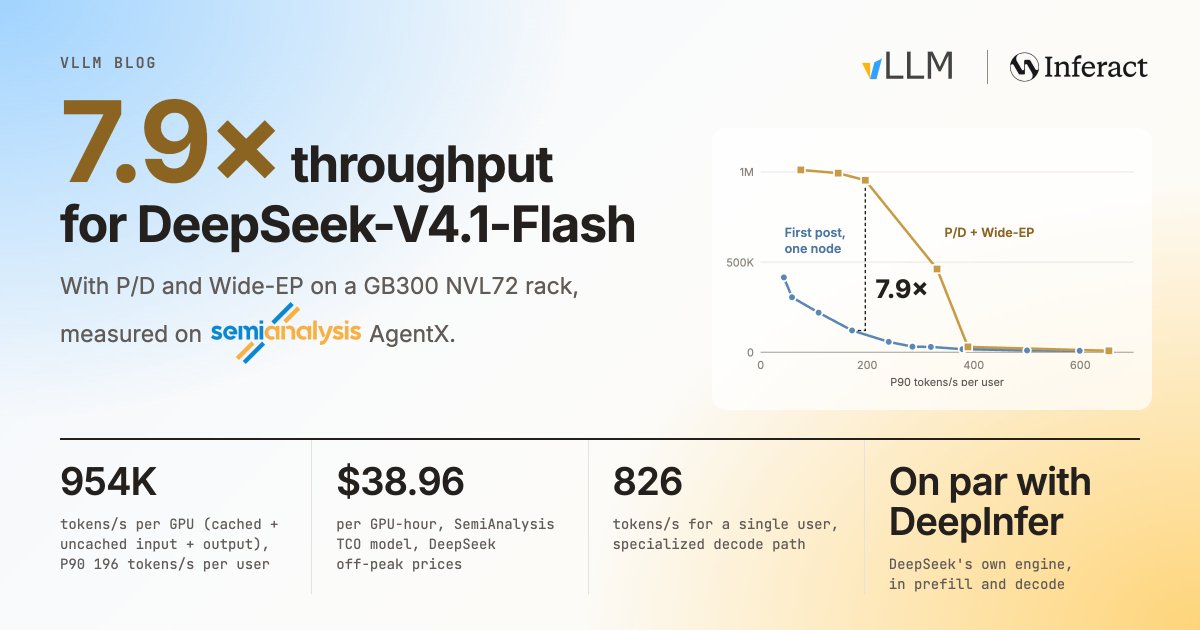
vLLM has independently reviewed DeepSeek Flash revenue math (38$ per GPU of GB300 class, although DeepSeek experiments rant with GB200). Interestingly
-
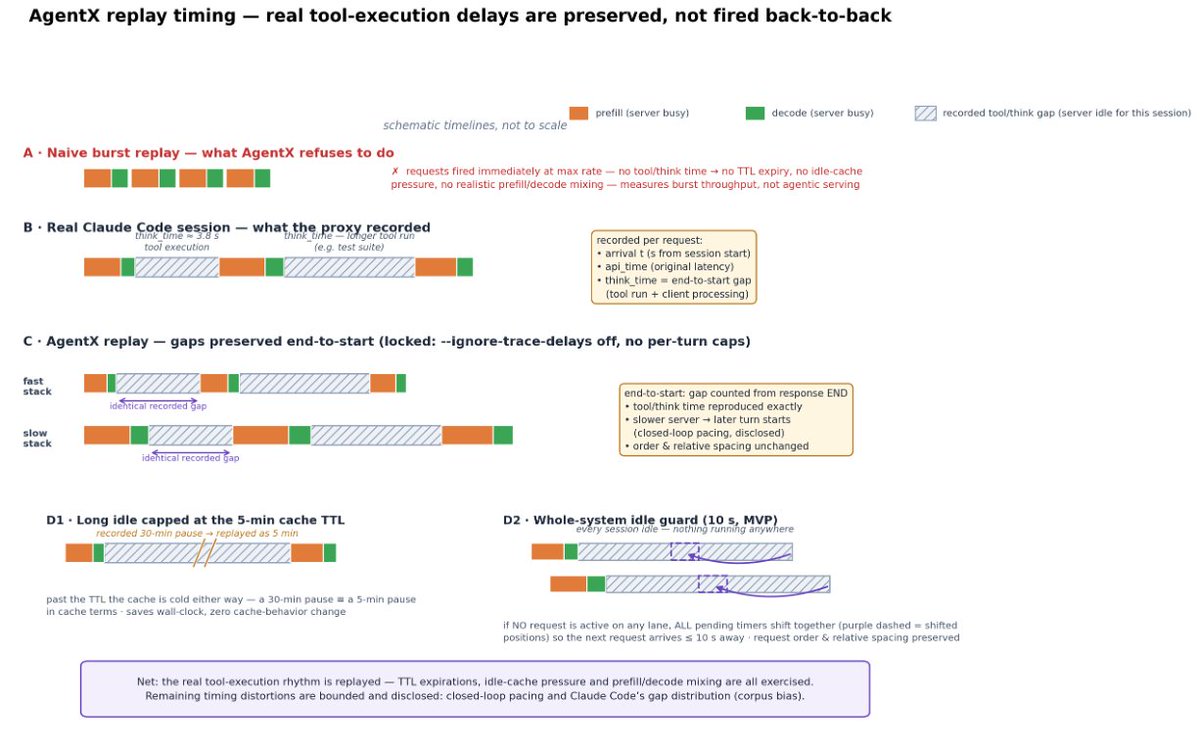
vLLM benchmark runs with AgentX by SemiAnalysis which actually simulates how agents run in real world, including delay between tool calls and tool results (diagram below)
-
It uses DeepSeek off-peak prices (so there is already slack in the system, so numbers are quite dependable.
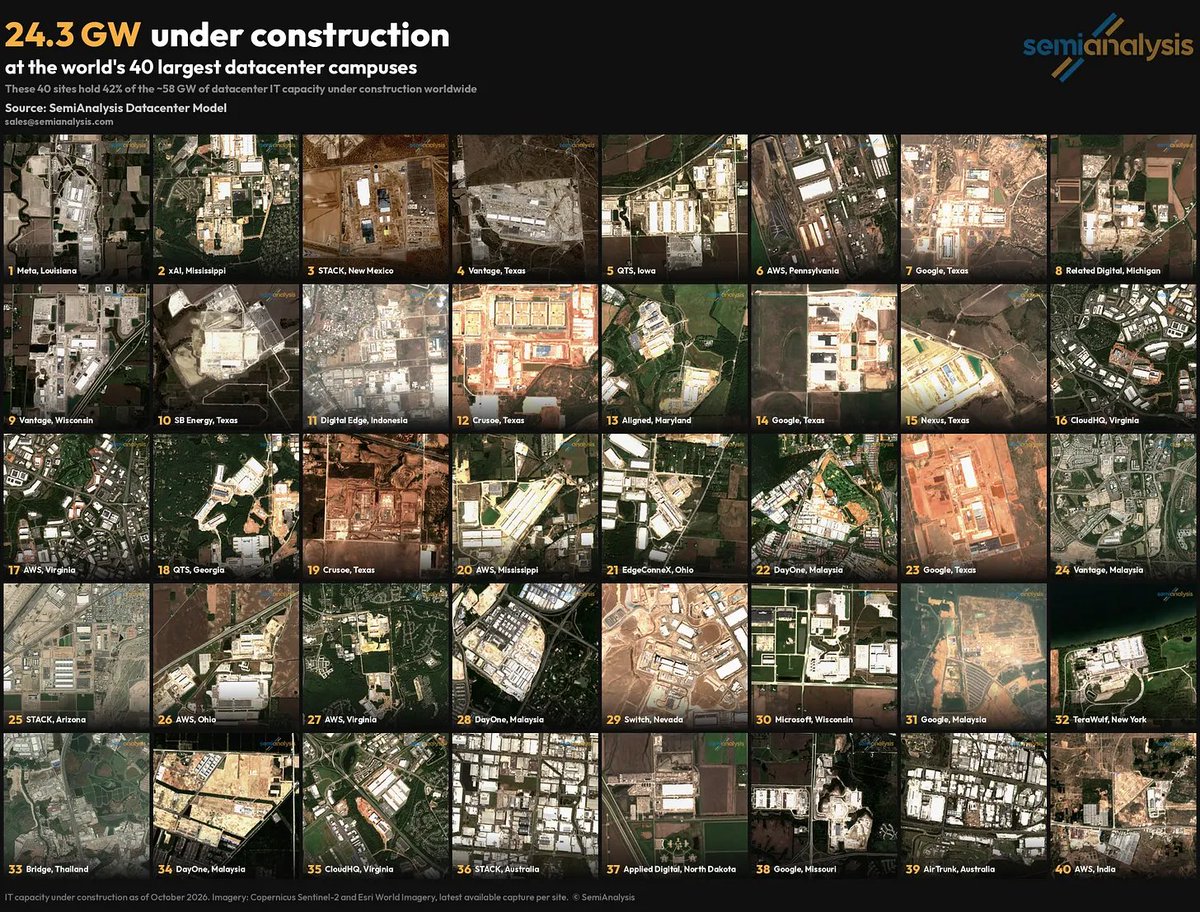
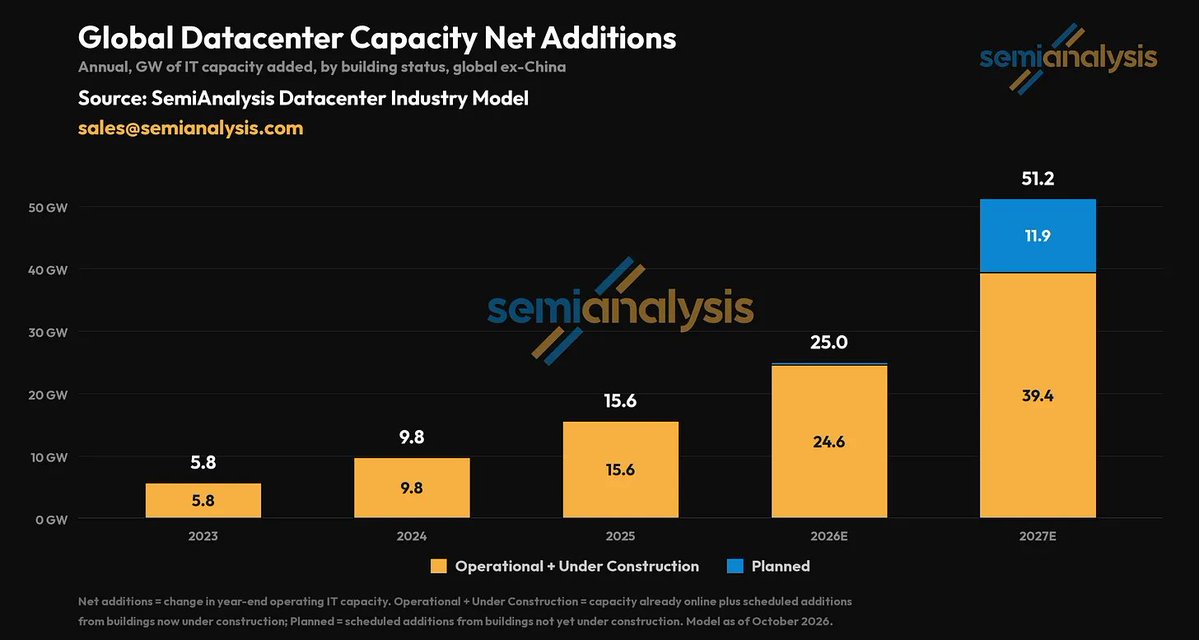
There is 50GW of much compute coming online by end of 2027, per SemiAnalysis. That is deeply researched and high confidence number by SemiAnalysis. Per them, there will be enough accelerators for 2027, although we may have more power than accelerators from 2028:
So we will base out calculations on these numbers.
What changes from analysis last time?
* SemiAnalysis 50 GW power number for 2027 was net new addition and not cumulative power. So that much power will be available by end of 2027.
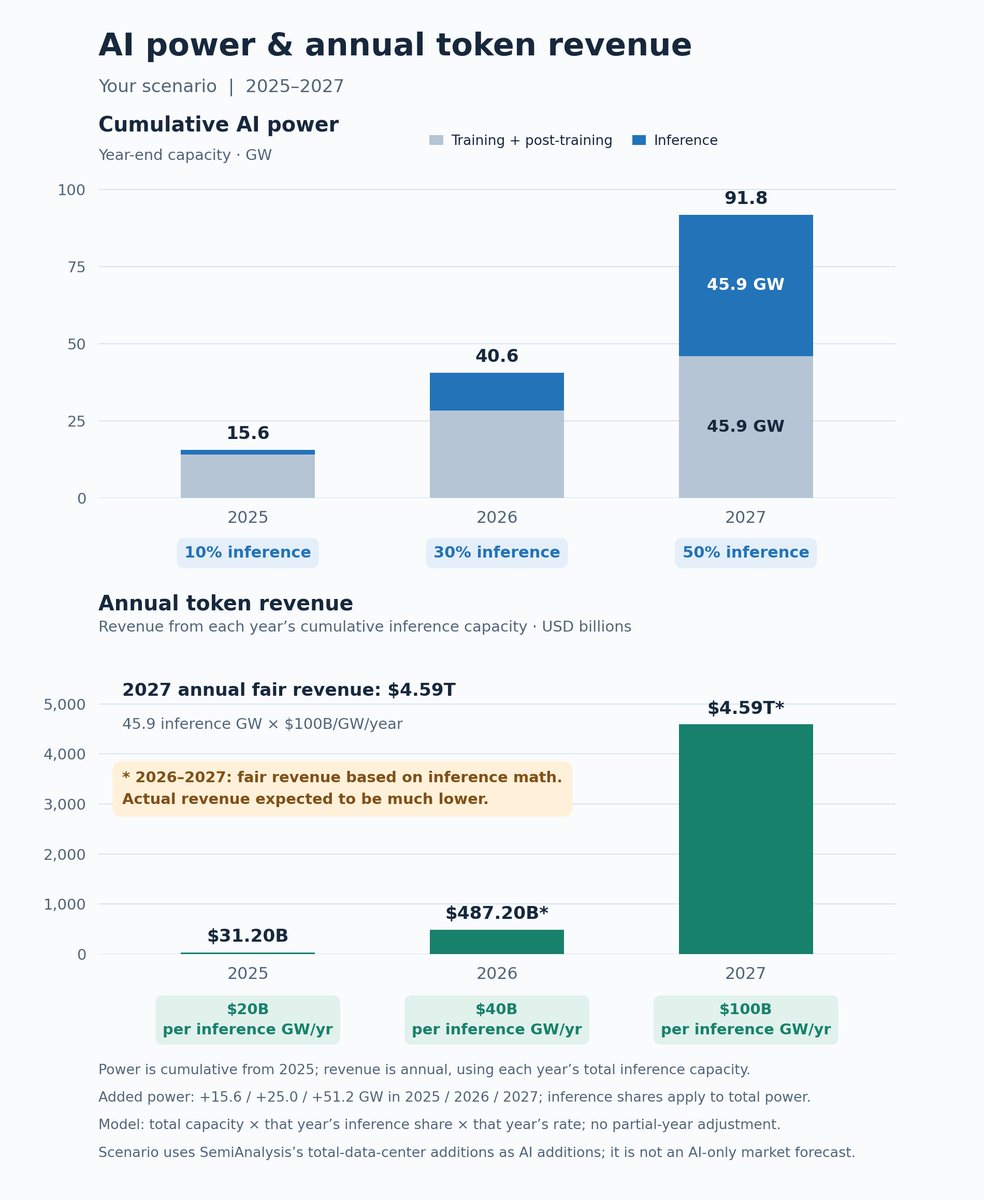
- So cumulative power from 2025 - which is mostly for AI - is 91.6 GW by end of 2027 (Astra has the same interpretation after seeing the article. SemiAnalysis team, please correct me if I got it wrong).
Assuming there are enough accelerators to consume all that capacity (there are per SemiAnalysis at least in 2027), total revenue projection at revenue rate of 100B / GW for 2027 are insane at 4.5T USD. And remember we are assuming DS Flash prices in this analysis which with their architecture and efficiency offers 100B USD revenue per GW even assuming lot of slack.
See the chart to see projections for 2025, 2026 and 2027. From 2025 to 2027 we are assuming inference increasing from 10% to 50% overall compute and revenue per GW rising from 20B/GW to 100B/GW.
Does it mean we would have a massive glut?
Not necessarily, if certain conditions are met. One may argue they are too many conditions to be satisfied, but that is separate conversation.
-
Lot of supply could be consumed for demand that can not be measured in token revenue (e.g. Google search, Meta Muse)
-
There might be massive collapse in token prices reducing per GW revenue from 100B / GW to something like 20B / GW (with that overall token dollar value goes from 4.5T to approximately 1T USD. In that case the global economy 'may' be able to absorb the supply, otherwise not.). But this model is based on 20% of DS Flash pricing!!! Compared to OpenAI and Anthropic pricing, this is ridiculously low already. To reach those levels the leading US labs may have to cut prices by 20 times.
-
Models may become so cheap, we may use large models for everything (why use Haiku class models when you can use Fable Opus/Opus for everything).
-
Most models may get served at high interactivity at low batch sizes. Why not everyone gets 'FAST', if there is capacity!
-
This may enable new application (real time voice assistant that are every expensive at 3$ per hr, digital companions, personalised entertainment, robotics etc. Global education industry will completely get transformed). However, existing labs like Anthropic and OpenAI are not yet interested in this space, certainly not beyond robotics and use of their models in education. This is a massive opportunity for the startups in the space.
-
'Continuously on' cyber security may consume a decent amount capacity as well (not only design time reviews, but theorem proving, run time security etc.)
However, there are too many variable that need to fall in place for this capacity to be absorbed so rapidly - there are only 15 month, and so it is not guaranteed. Probability of it not happening (absorption) is far higher that it getting absorbed.
What about training costs?
Also, we are assuming 50% of total capacity that is 45.9GW (capacity costing 459 B a year at 10B/GW) for training. Recall Anthropic till date since its foundation has spend just under 16B USD on model training & research (interpretability). 16B was enough to get you from Claude 2 all the way to current generation with all the model lineages: Mythos, Fable, Opus, Sonnet and Haiku. I find it hard to believe that for major labs put together - Anthropic, OpenAI, DeepMind, MSL and xAI - training expense to run 459B ARR by end of the next year end. I suspect most of the compute would have to be absorbed by free services like Google Search AI features and Meta Muse.
What if prices and demand adjust the compute supply & Jevon's paradox plays out by end of 2027?
While this low probability scenario, it is still likely. If token prices and demand adjust to consume available capacity we would see following:
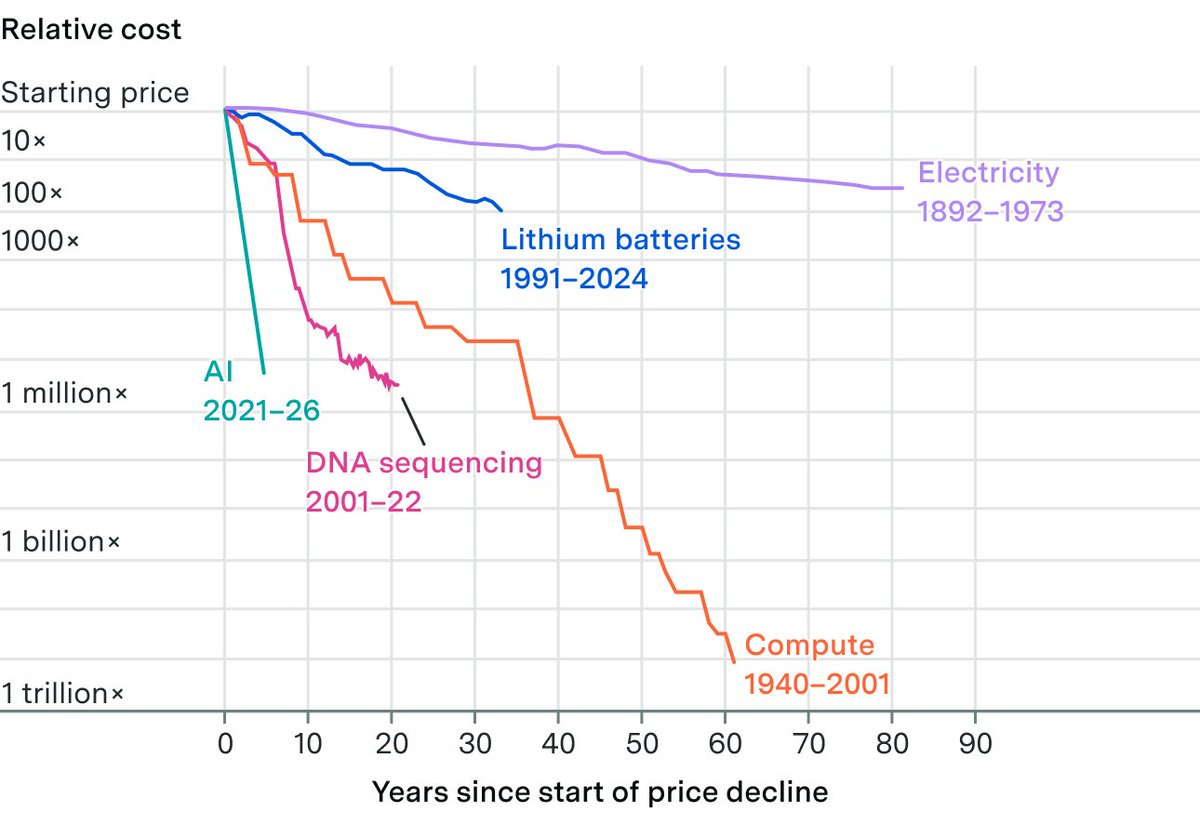
- LLM Model prices with respect to intelligence would be down by around 20 times (this would be in line with the trend predicted by EpochAI). I am assuming tough competition between leading labs eroding pricing power, as it is hard to form oligopoly when there are 5 players in the market, and it is also illegal.
-
Model lab profit margins for LLM business will have collapsed from 70-90% to below 30-20%. Not bad because volume would be enormous - approximately 1 T USD ARR by 2027 end. They will be roughly making 20B USD/GW and paying 10B USD/GW to hyperscalars. They will cut down on training costs. Saving on training costs is the only way to hit 30-20% profit margins with such low rates.
-
Labs may train models for vertical industries and gate-keep them and offer them only to certain players in lieu of equity (e.g. Pharma research). That way they can augment their revenue potential without having to sell gazillions of tokens.
-
Remaining compute after LLM labs reduce training runs/cost would be used by Search, Muse like personal assistants and personal experiences (companions, entertainment - audio visual entertainment) & Robotics. I expect golden age of AI powered startups that are model builders as well in this space.
-
Labs will negotiate hard with hyperscalars to cut down per GW cost to below 10B USD/GW. Hyperscalars will negotiate hard, in turn, to cut prices for semiconductors. Hyperscalars have advantage of scale and custom silicon program, so this may be disadvantage Neo-Clouds (at least long tail ones).
-
Efficient use of electricity and efficient chips would be paramount from hyper-scalar perspective at they try to reduce compute rental cost. We will see advantage for vendors offering that. We will see further emphasis on ASIC programs to cut rental of 1GW of compute to below 10B USD/GW by avoiding Nvidia tax. We will see lot of interest in both: Mature silicon that offers high amount tokens / MW (advantage Nvidia) as well as new approaches that avoid Nvidia tax and reduce power demand (OpenAI Jalapeno)
-
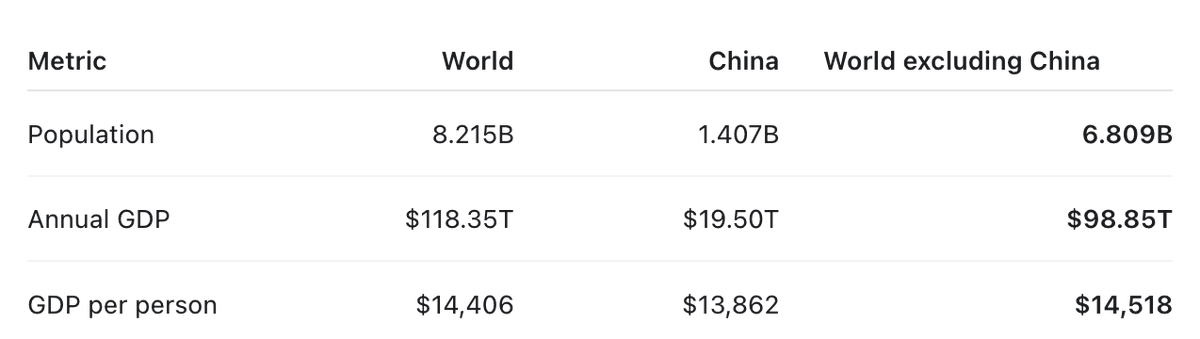
Global AI revenue (ex-China, as SemiAnalysis numbers are ex-China) would be approximately 1T USD per year by end of 2027 in this modal, requiring 147 USD revenue from every living human (on average). Hard but not impossible given average GDP per capita ex-China is 14,518$. So this is 1% of that, and people spend more than that amount on telephone services.
However, the real issue is capacity does not stop coming online in 2027, it keeps on getting added in 2028, 2029, 2030 and so on; and chips last really long.
All the valuations are built on this assumption that 1T USD buildout and spend will continue in perpetuity. Also, once people get free AI Search and Muse like assistants their interest in spending separate LLM based applications will be muted. Hence, I am calling out AI overbuilding and requesting you to think how hard it is to consume all the capacity.
I may be wrong and will change my opinion, if I see a better argument. But I am afraid we are into full blown overbuilding phase.
Caveats:
For some of the capacity that will come online by 2027 end, it may get enough accelerators that are only powered up in 2028. Their no guarantee accelerators will be there on day 1 of power being available. That said orders are typically placed ahead of time and facility infra like cooling is also built ahead of time.
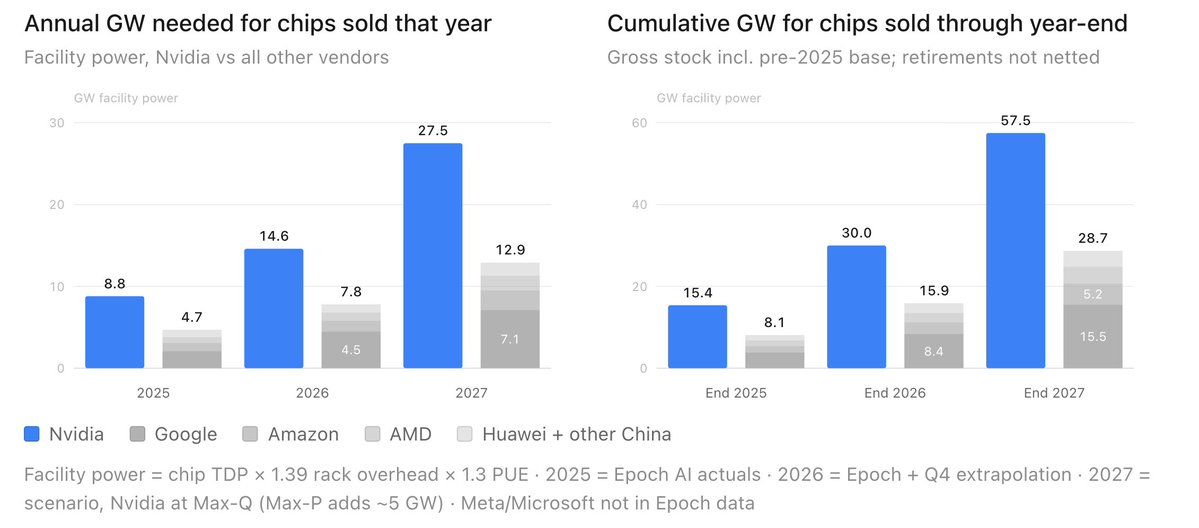
Below are calculations for GW DC power needed for chips sold in respective years (Nvidia and ex-Nvidia). Total is just below power being made available by end of 2027 per SemiAnalysis. That is why I do not believe there will be stranded capacity (chips/power). And all this indicates too much compute coming online!!!
Source:
SemiAnalysis: Datacenters 2027: The Year of Acceleration, +50GW in a Single Year
vLLL: Serving DeepSeek-V4.1-Flash at Scale: vLLM Matches DeepInfer and Scales to GB300 NVL72
SGLang: More Than DeepInfer: What SGLang Delivers
Epoach AI: The plunging price of thought