The Mobile App Tech Stack for Q4 2026
文章目录
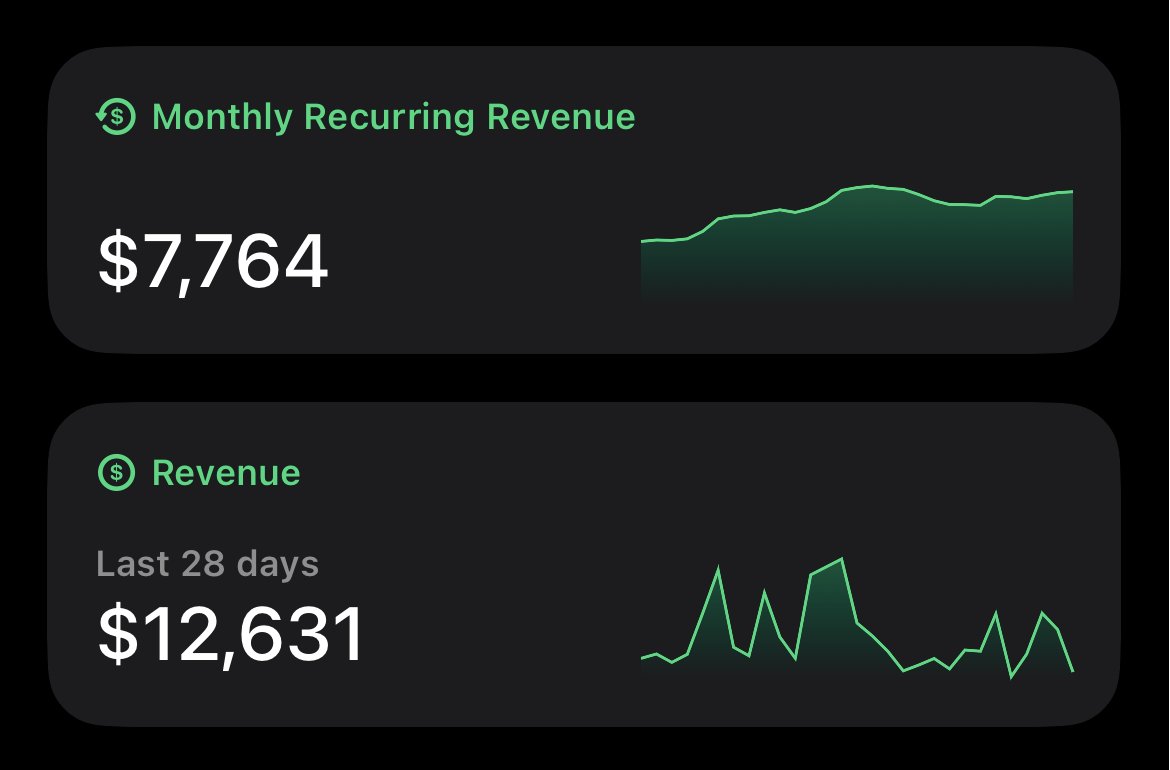
By day: I'm a sénor swe for a complex app with over 20 million users. By night: I'm a ~$13k/m app founder 👋
I'm soon leaving my job to go all in! 🚀 One way ticket to Vietnam 🇻🇳
This is what we're going to cover:
-
Tools • Agents, Browsers & More.
-
Foundation • Languages & Frameworks.
-
Monetisation • Billing & Extras.
-
Auth • Ideally don't.
-
Infrastructure • The Database.
-
Infrastructure • Asset Storage.
-
Infrastructure • Cloud Compute.
-
Infrastructure • AI APIs.
-
MMPs • The Ad Network.
-
Analytics • Measurement.
Tools & Agents.
ChatGPT has a slightly better offering for mobile app dev.
-
GPT-Image-2.5. With a pro subscription, you get free access to image models. This is a huge advantage over Claude for mobile dev.
-
The $100 has pretty generous limits. If you're working on one app at a time you'll be fine. Claude was not as good limits in my personal experience. I blast Astra on medium all day and have no issues.
-
The computer use is incredible Working in figma, not needing the MCP. Filling in browser forms etc. It's crazy how much I've used it!
-
Blender modelling. For assets & animations is actually wild. Use the MCP if you're doing this.
-
Codex's iOS development tools are s-tier. Claude has this now too though.
My main browser is Zen. I run Safari as well for smoother computer use.
I get all my assets from Pinterest. Feed them through GPT-Image & make them unique. This has insanely good outputs.
I'd recommend using the Apple Connect API, alongside MCP connections for all your services: RevenueCat, etc. This is a huge productivity boost. • MCPs to build remote paywalls. • App Store Connect API for localising pricing. • Setting up RC with the MCP.
Foundations 🧱
*If you're completely non technical, I'd highly recommend buying a $100/m ChatGPT subscription and learning the fundamentals.
If you're non technical AND have no time to learn (family etc) then use an app builder. There's lots of great ones, @rork is an example.*
Your framework and language is the most important decision you'll make.
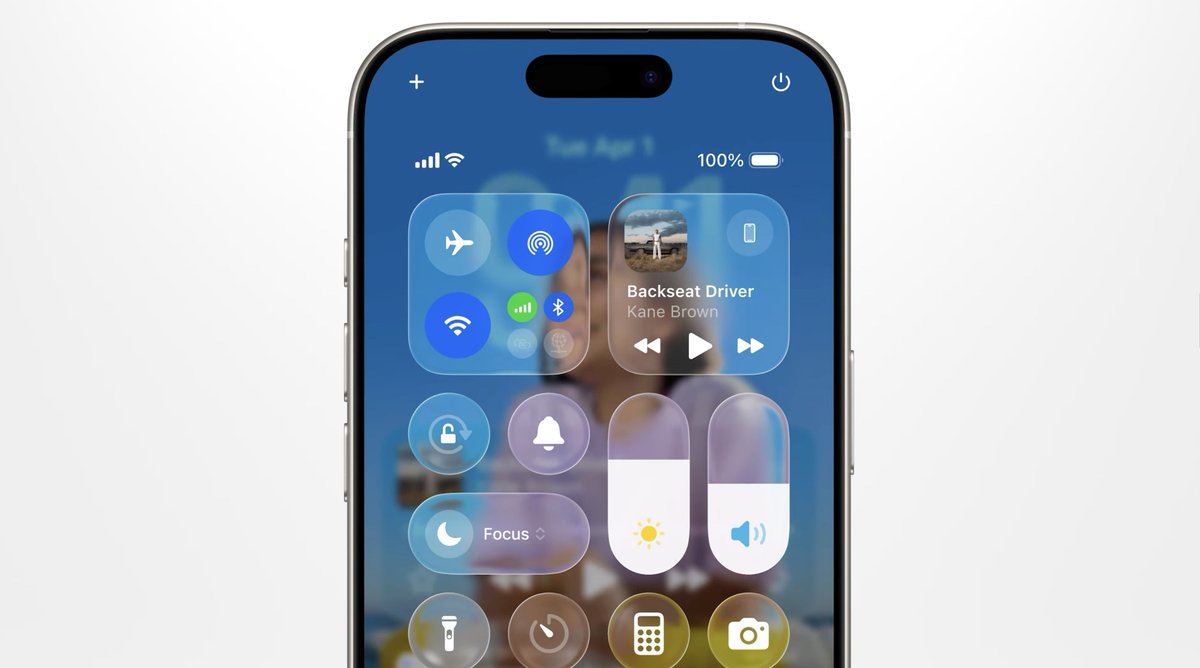
Unless you have strong conviction your user base is on Android, build iOS only at first. It's the best way to get truly excellent design fast.
Building a really beautiful app is one of the easiest ways to stand out and increase conversion.
This is a data driven recommendation.
RevenueCat studied 115k+ subscription apps. Over $16B in revenue.
-
iOS converts 2.9× higher (download to paid). 2.6% on iOS vs 0.9% on Google Play.
-
iOS pays 2.6x more per install. $0.42 iOS vs $0.16 Android globally. In North America: $0.65 vs $0.26.
-
~75% of subscription apps get > 80% of their revenue from iOS.
-
iOS has about 61% US mobile OS share as of August 2026.
SwiftUI over UiKit because: • Better cross platform support (especially with iPhone Duo). • Less code, fewer failure points, easier maintainability longer term. • Much better live preview / hot reloading. • Modern Apple APIs available there first. • Generally, easier state management. • Much simpler animations and transitions.
If you need a guide to getting your app approved:
An honorable mention goes out to Expo.
Easily the best way to create cross platform mobile apps, but: • You can argue it's still not "truly native". • Apple APIs arrive later, and need a React Native bridge. • Dependency risk (esp with vulnerabilities becoming more of a concern, and it's non trivial to do updates because Apple). • Very occasionally you'll get edge case issues: bugs in JS, React Native, Expo, a native module, or Swift/Obj-C.
With agents, logic is expensive, but boiler plate is cheap. You can create a native Kotlin app for Android relatively easily today, if you have the context of your iOS apo.
Monetisation & Billing 💸
I'd recommend RevenueCat as your subscription management platform. RC does not process your payments, that's Apple.
They act as a wrapper around the billing platform, and add a lot great extras.
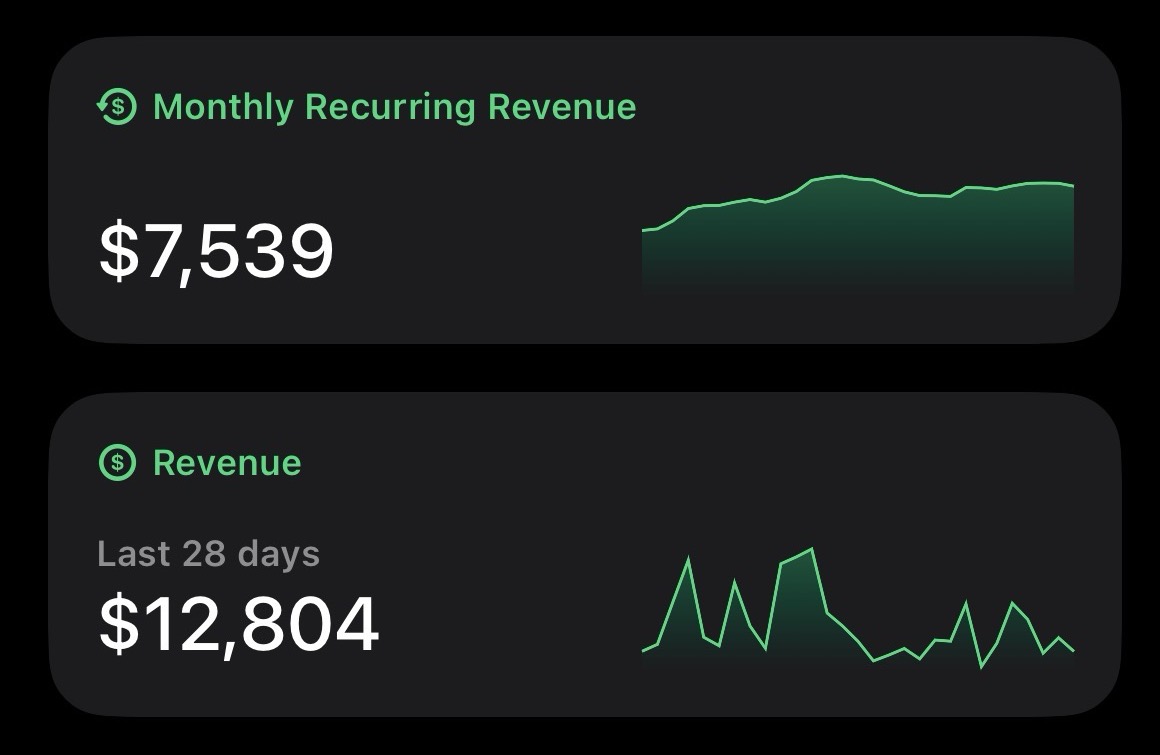
You don't "need" RevenueCat. But the value you get for 1% is unbeatable. As an indie dev, it's a trade off you should make.
-
Bulletproof uptime.
-
AB Testing.
-
Remote paywalls.
-
Refund handling.
-
Great mobile app.
-
Rico for insights.
-
The engs & staff are total Gs.
-
Excellent integrations.
-
Auth built in.
-
Web2App funnels.
-
Run ads inside app.
-
The MCP is s-tier.
This post covers some of the great things you can do with RC to boost conversion 👇
There's a few minor things I'd like to see them include, but honestly, it's excellent. On a personal note: the engineers and team have always been super kind & helpful to me (not sponsored 🥀).
Authentication (ideally don't) 👤
A lot of folks add auth when their apps don't need it.
It adds friction for your users, people don't like giving their data away. If you're iOS only, use Apple login, it's extremely simple to set up.

If you genuinely need cross platform auth, RevenueCat now provide this as embedded within their platform, it's a good choice, but you can also quite easily set this up yourself with your own backend DB.
Infrastructure: The Database 📀
Now we get onto the fun stuff.
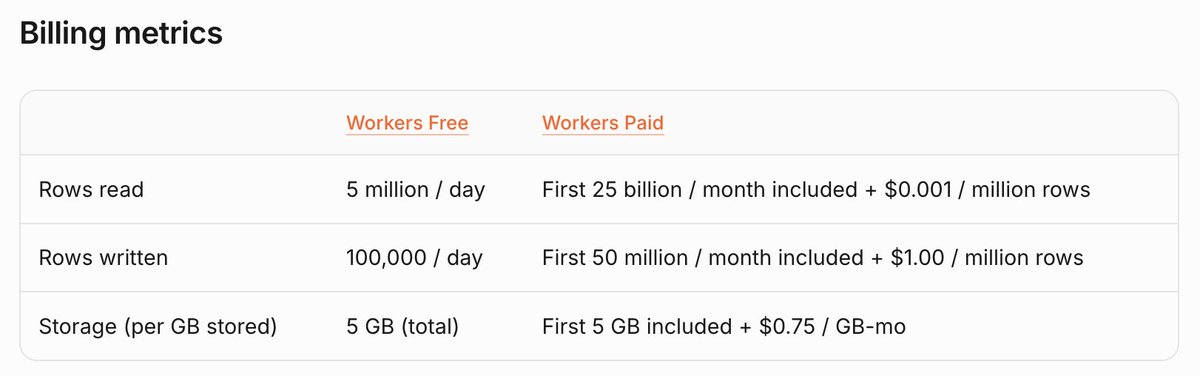
Use D1 from Cloudflare. The best priced option.
It won't go down and it'll scale to thousands of users for free. 5 million rows read a day! And 5GB storage (this is a lot for a database btw, it's not really like phone storage). Even if you somehow leak all your credentials, you'd get a bill the size of a takeaway, not a house. I'd only recommend self hosting if you really know what you're doing. Even then, I'd suggest using D1.
An honorable mention goes out to Convex.
If you need a lot of real time magic (most don't, just poll), then Convex is a solid choice. For 98% of mobile apps, I'd go with D1, though.
D1 will be able to scale you to insane levels. If you outgrow D1 then congrats, enjoy your villa and yacht.
If you need truly mega scale, then Planetscale is a good choice. And if you need even bigger scale (i.e Uber), then you'll want to look at something like Google Spanner.
Infrastructure • Asset Storage 📁
You'll likely spot a pattern.
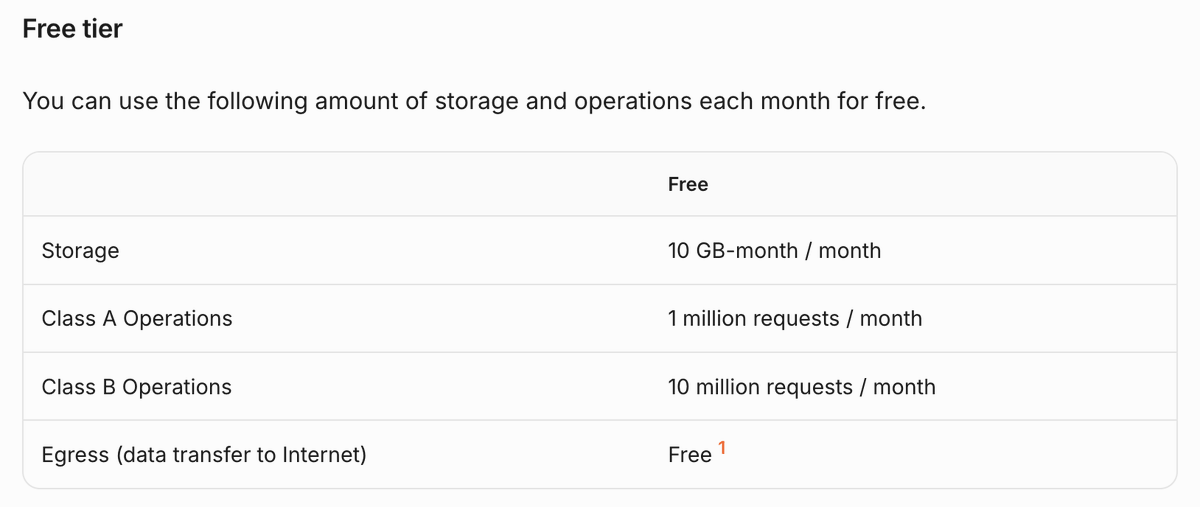
R2 is, without a doubt, the best way to host and serve assets in 2026. There's very few scenarios where anything would make more sense. The only instances could be if you're already deeply embedded in an S3 or GCP stack.
Infrastructure • Cloud Compute 💿
Cloud compute is for when you want to do some kind of processing outside of your app. You'll mainly want to use cloud compute as your API layer.
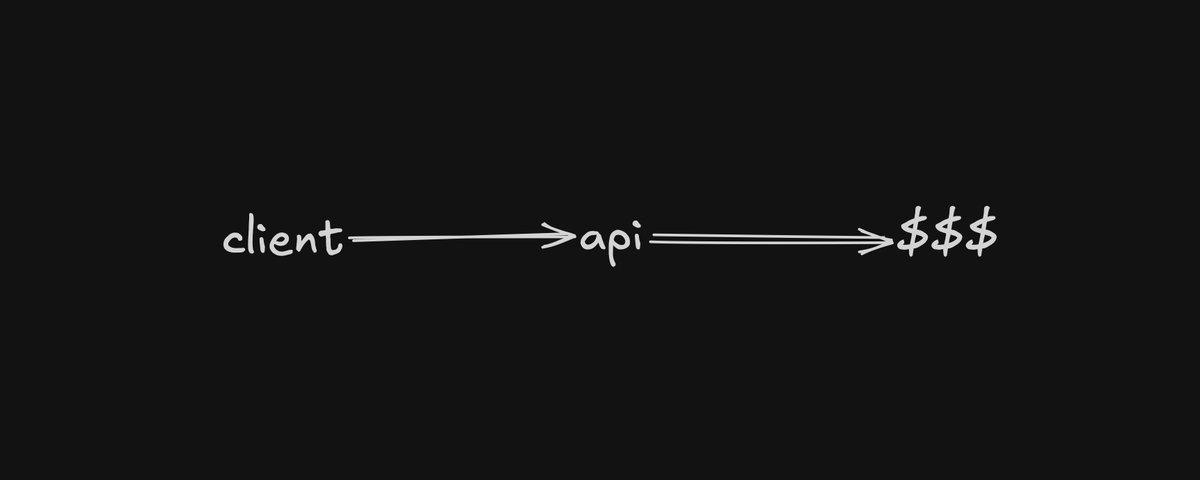
The phone (the client) sends a request to another computer aka our Cloudflare worker (API layer), this is an authenticated request. The worker then performs whatever we need: writing/reading data from/to D1 - uploading or retrieving assets to/from R2.
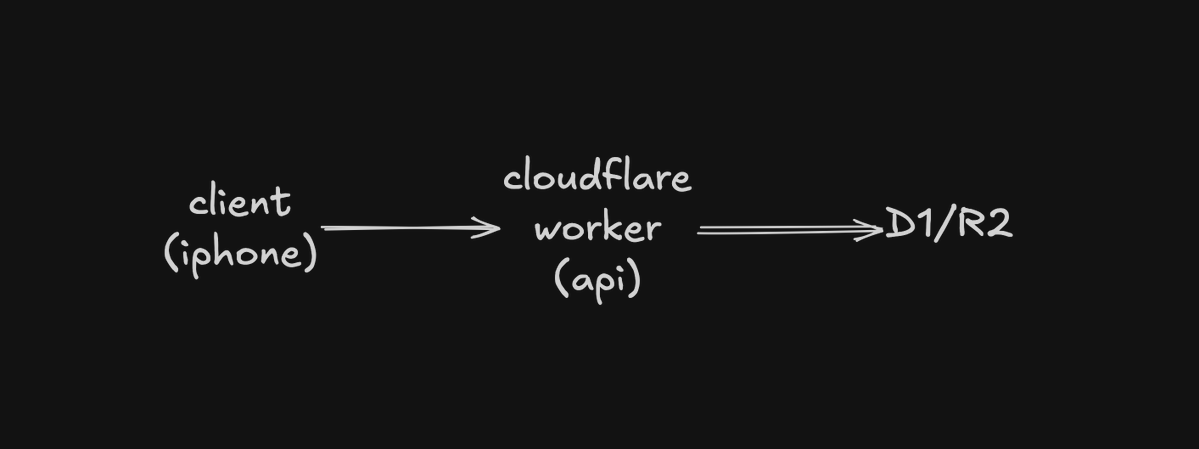
Another common Cloudflare w, but not for the reason you might expect!
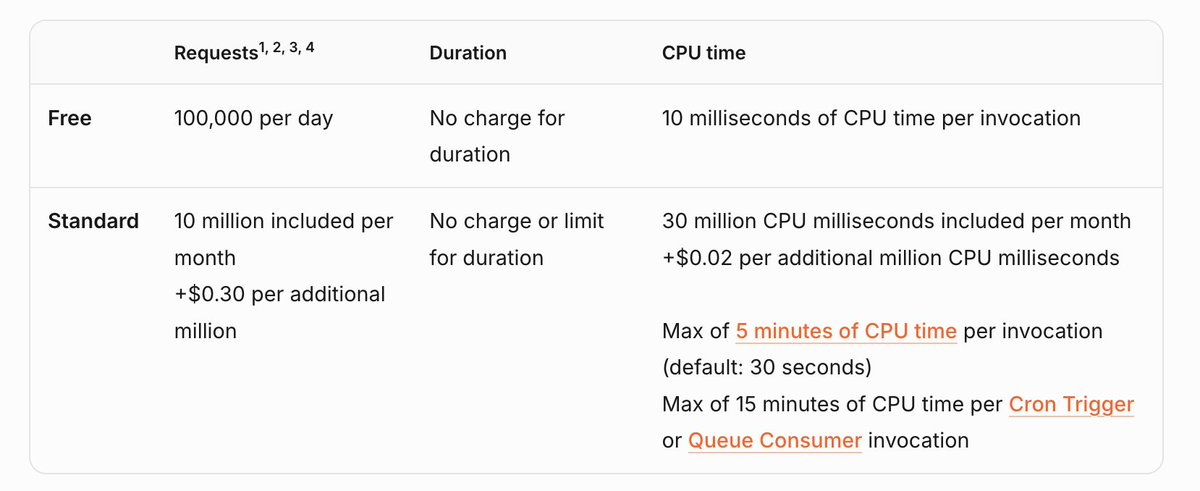
The pricing for Cloudflare workers is, again, incredible value. But the real benefit of having a full Cloudflare stack is that keeping things tightly integrated is a amazing DX. Cloudflare has an incredible MCP, that makes development like this effortless.
Infrastructure • AI APIs 💾
First of all, consider whether you can use an on device model, this can be simpler and cheaper.
Gemini 2.5 Flash-Lite has a free tier of ~500 requests per day, but the catch is free tier requests can be used by google, this means it's not great if you're sending sensitive personal data.
The cheaper mainstream option is GPT-5-Nano.
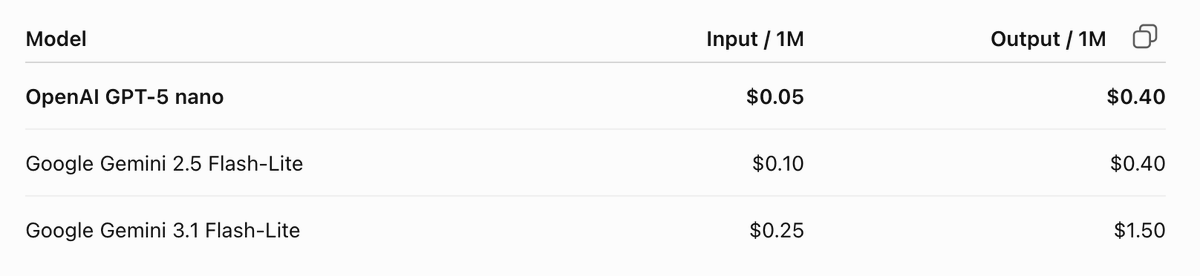
Video generation has a bit more going on. The best quality to price I've personally seen is via Google Omni Flash.
MMPs • The Ad Networks 👩💻
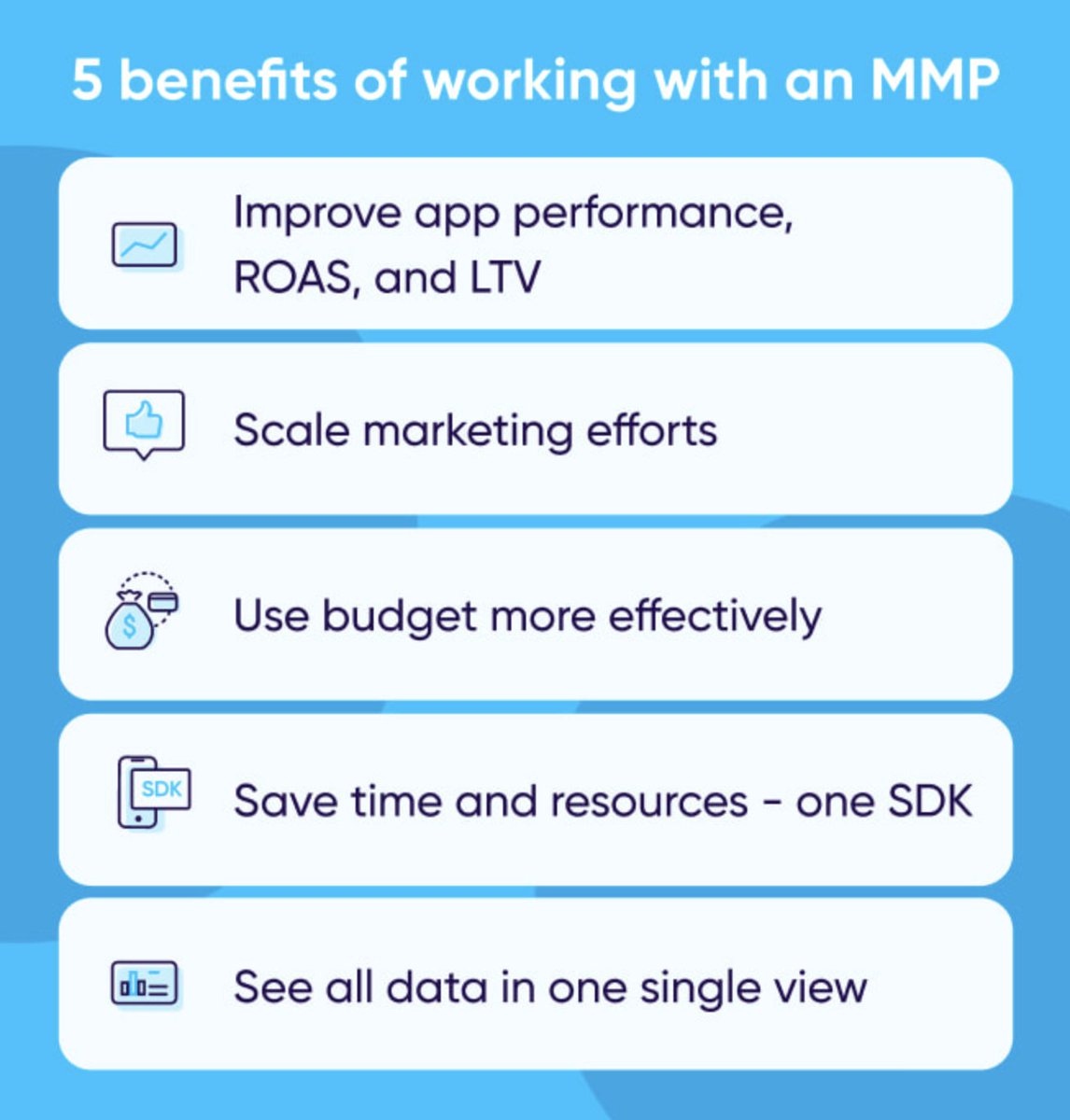
This is an entire article on it's own, there's a lot of misunderstandings and nuances around MMPs. You'll only want to consider one if you're running paid ads. MMPs and paid ads is generally not the best route for indie devs, they are very expensive. It's honestly more something for enterprise. The benefits, however, are:
Appsflyer
I'd recommend Singular or Appsflyer. At the time of writing, the pricing is:
• Singular: 15k free installs, 5c per install. • Appsflyer: 12k free installs, 7c per install.
So far I've only tried Appsflyer, and it worked well for me. But, I've seen people have great success with Singular, and I'll be using it for my next app.
Make sure you remain compliant with Apple's ToS around data sharing and privacy.
Analytics • Measurement 💽
You should be collecting anon analytics, most importantly for your onboarding funnel. Don't release your app without this! Data is power.
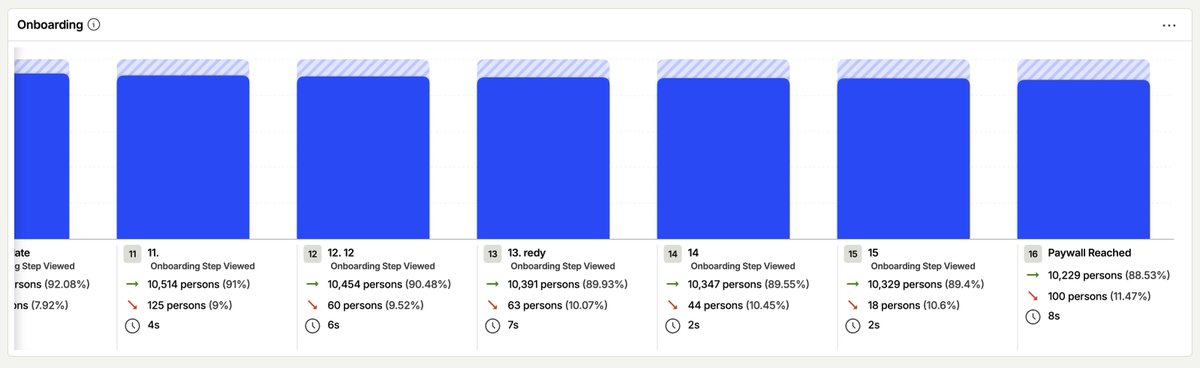
It's only via measuring my onboarding funnel that I reached an almost 90% completion! It helps you see very easily where users are falling off the most.
I use PostHog, and it's been free, but there's tonnes of options for this, you could even build your own without that much hassle.
That's it! My mobile app tech stack for 2026.
Tech is not a determining factor in your ability to make money.
I've seen it all: Android only hitting 50k/m, one of my bros builds with Flutter and recently broke 10k/m.
HOWEVER: If you're starting today, this is an excellent stack to maximise your DX, scalability & costs, in the event you do become super successful!