Studios over Factories
文章目录
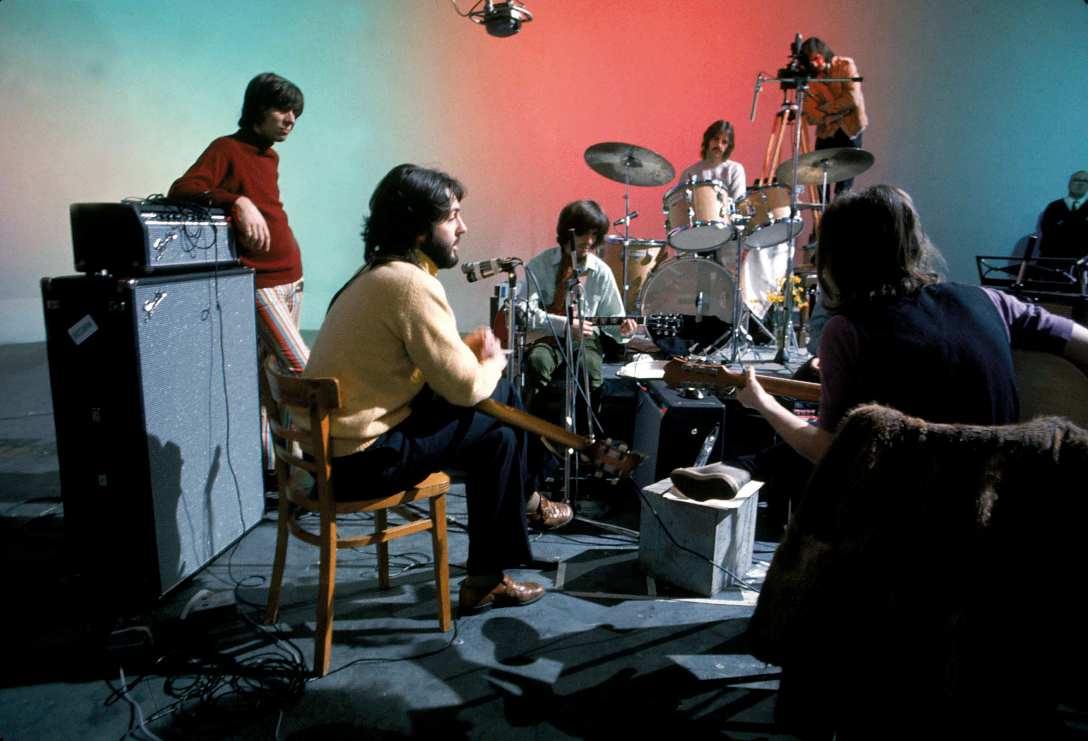
Whenever I think about design tools and the creative process, I often rewatch a famous scene from Peter Jackson’s Beatles documentary that captures the birth of “Get Back.”
Paul McCartney starts playing his bass and mumbling to himself. He goes around the riff again and again and again. With each pass, the fog clears and the words start to come together.
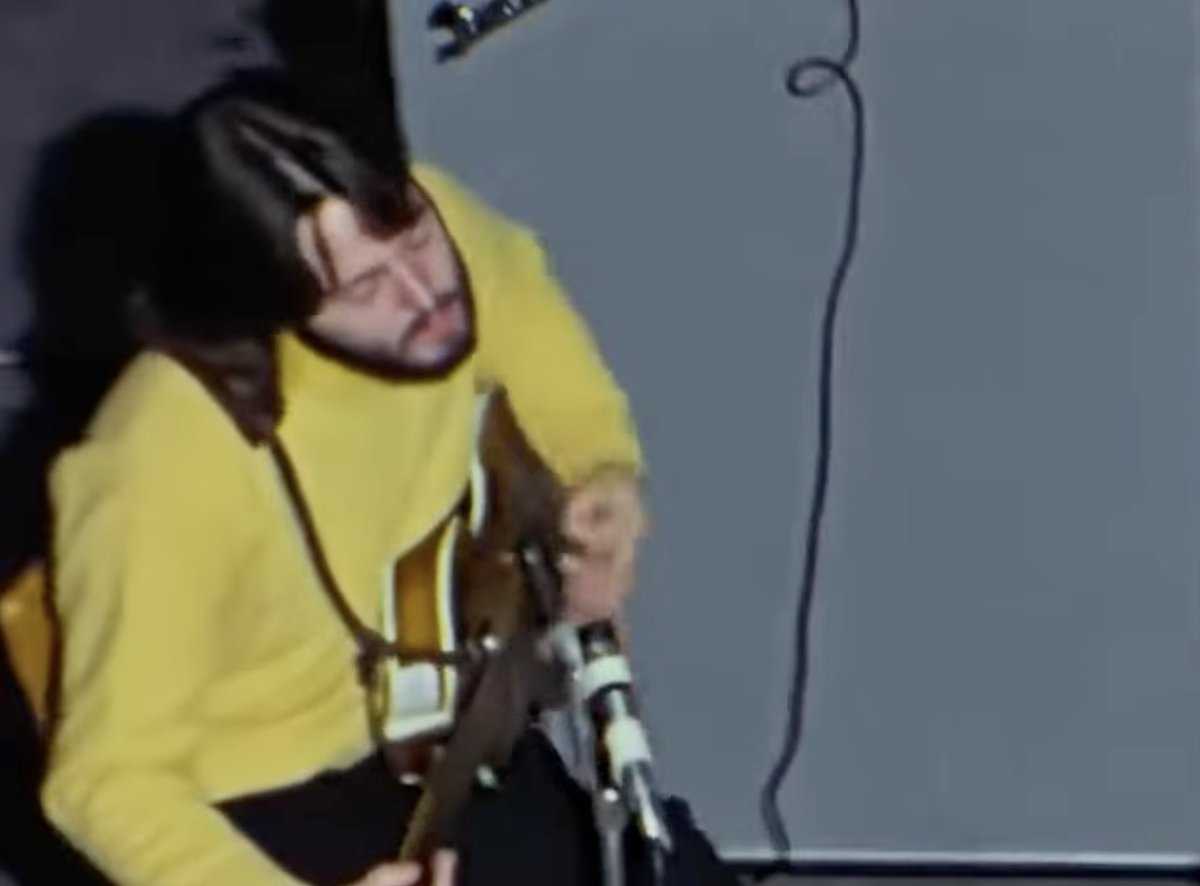
You can watch the scene here.
It’s a deeply vulnerable, almost sacred moment. McCartney is in a state of play, unclenched, uncensored, and his intuition speaks directly. There’s zero friction between what he feels and what comes out. Once you’ve experienced that while making something, you always want to find your way back.
Reaching that state is a journey in itself. Many people get stuck along the way because their hands can’t do what their head sees. I wonder how many ideas stay trapped inside us simply because we never break through the barrier of the instrument. Sometimes they escape and go find other hands, though.
Factories
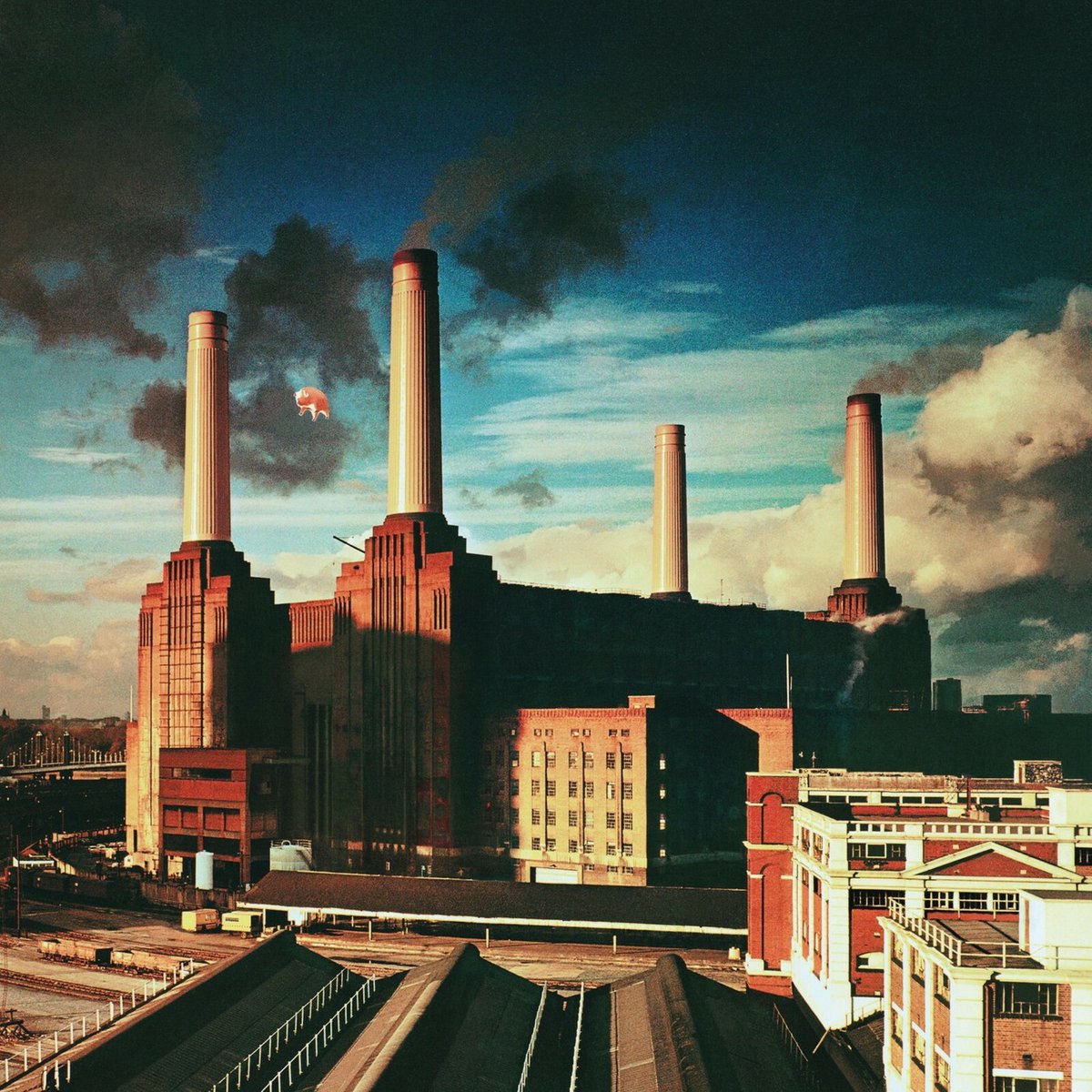
Animals (1977) album cover. Artwork by Hipgnosis and Roger Waters.
Most of our design tools are built for the finish line. They assume you already know what you’re making.
But there is a messy and fragile phase that comes before production, where you’re still looking for the idea. It needs completely different set and setting, and yet we’ve built so little for it.
Even with AI, most of our new tools still feel like factories. We have prompt boxes and node graphs where you spend half your time engineering the right phrasing or wiring inputs together. It works, more or less, but the flow is gone. Most of the time, it feels less like exploring an idea and more like troubleshooting a machine.
As AI handles more of the production work in the background, we finally have the chance to build other rooms. Spaces to mess around, make mistakes, and try things just to see what happens. That’s where the weird, original stuff is born.
Mumble ideas into existence
Creative exploration pushes back in a few ways. There’s the critic in your head, the instrument in your hands, and the tension between ideas. The first two get in the way. The third is the search itself.
Voice interfaces could dissolve the instrument, and, if we design them right, quiet the critic too. Traditional tools force you to leave the feeling and enter logic mode just to hunt for a button. Shortcuts and launchers like Raycast try to make the tool invisible, but voice goes further. When I can just mumble half-formed thoughts out loud, I stay connected to my gut. It works for the same reason free-speaking and morning pages do. You stay in the flow, and the inner critic never gets a word in.
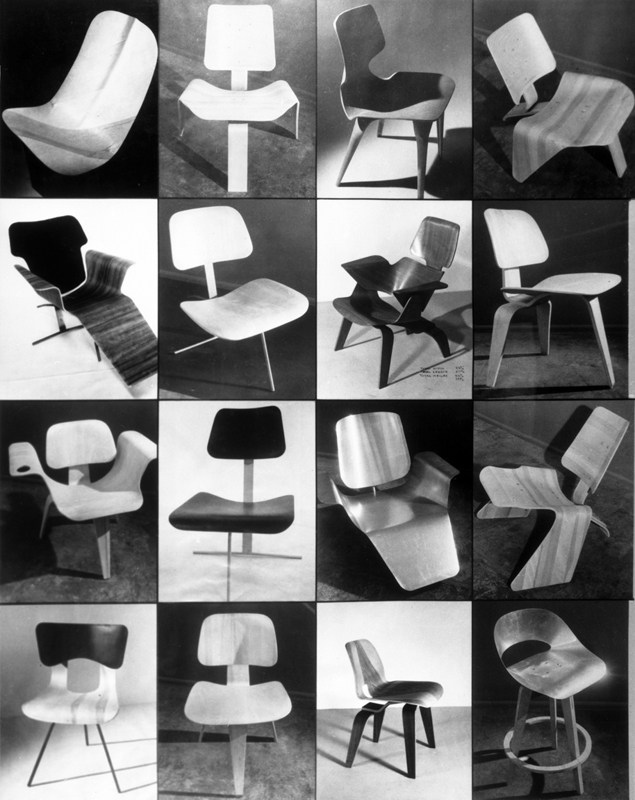
Exploring form through physical iterations. Sixteen molded plywood chair prototypes by Charles and Ray Eames, c. 1945
Once the critic goes quiet and the instrument disappears, the real exploration starts. That’s what excites me about visual branching. When I’m designing every version myself, exploring a single direction takes days. Now I can lay ten versions of an idea on the table at once. Seeing them side by side, they start to argue with each other, and in that argument it’s much easier for me to see what the idea wants to be. This is the friction worth keeping. The loop is the same as ever (make, see how it feels), only faster.
Little Rooms
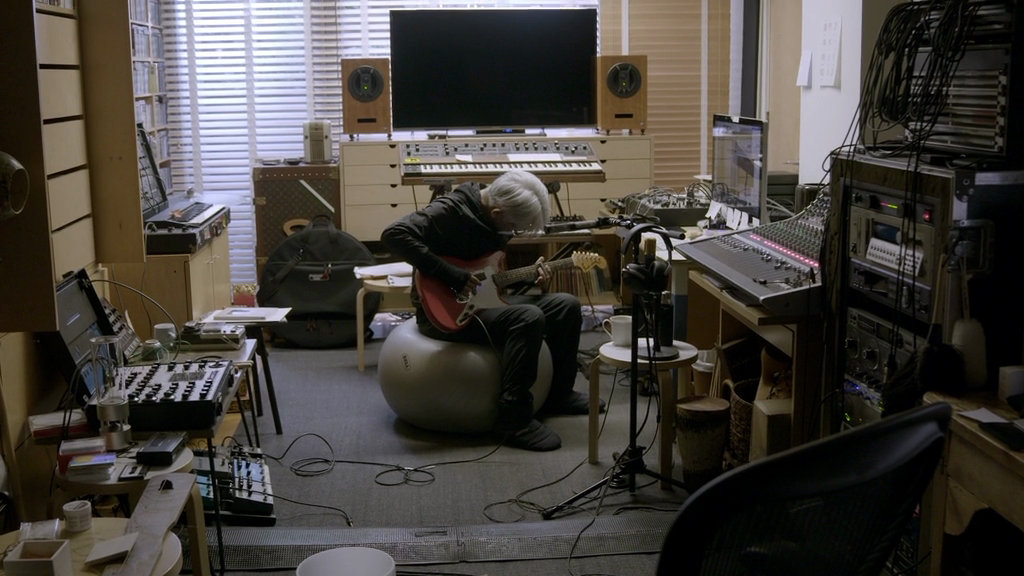
Ryuichi Sakamoto in his New York studio. From the documentary Ryuichi Sakamoto: Coda.
Now we get to decide what we want from the next generation of creative tools. Instead of optimizing the factory, we can put the joy of searching first.
A machine can make anything look like anything. The feeling, a human point of view that makes someone look at the work and recognize themselves in it, is still ours to discover. The tech is fleeting, while that human part is timeless. The best work usually happens when we keep one foot in each.
That’s why tools matter and don’t matter at all. Brian Eno once described the recording studio as an instrument in its own right, a room that takes part in the work. To me, that’s what a creative tool should be. A safe, quiet place you play in and form a relationship with.
A factory saves time. A studio spends it beautifully, and somehow, that’s the only time we end up remembering.