I Taught My OpenAI Dot How to Market My App — It Generated 5.4M+ Views. Here’s the Exact Playbook

文章目录
部分视频或图片暂未收录,已在正文保留提示;需要时可查看原文。查看原文 ↗
1. The result first
Before I explain how I built the system, I want to show you why I think this workflow is worth paying attention to.
Over the last few days, three of the posts created using this system generated:
2.3M views 2.0M views 1.1M views
That’s more than 5.4M views combined.
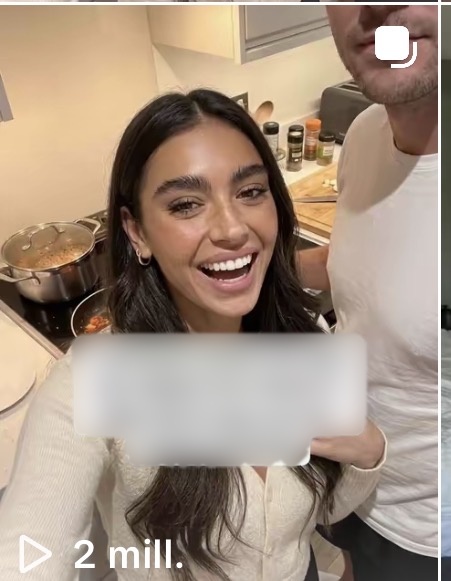
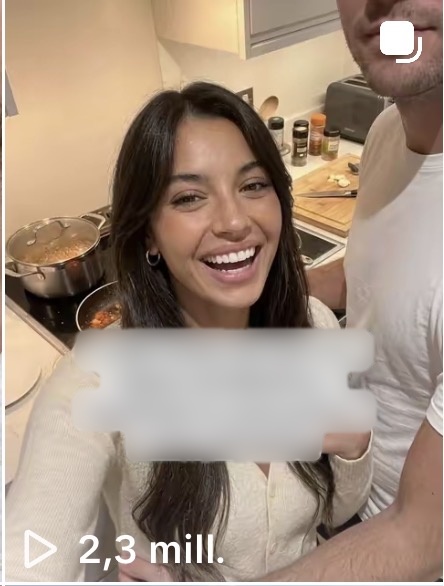

And these weren’t three completely different strategies.
They came from the same underlying process:
finding formats that were already working, understanding why they worked, adapting them to my app, creating new versions and testing them at scale.
That’s exactly what I wanted to teach Joe.
Joe is the OpenAI Dot I built to handle a big part of this workflow for me.
Instead of asking AI to randomly generate “viral ideas,” I wanted to give one agent the actual system I already use to market my apps and gradually teach it how to execute more and more of the repetitive work around it.
The goal was simple:
I wanted Joe to help me find the right references, analyze them, turn them into production-ready concepts and eventually help me create the actual content.
What surprised me most is how quickly the workflow started becoming useful.
I’m still making the final decisions and reviewing everything before it gets published, but Joe can now handle a huge part of the process that used to take me hours.
In the rest of this article, I’m going to show you exactly how I built him, the instructions I gave him, how I taught him to research TikTok, how I turn one viral reference into multiple pieces of content and how the whole system ends up ready for publishing.
This is the exact playbook.
2. Creating Joe and teaching him how I work
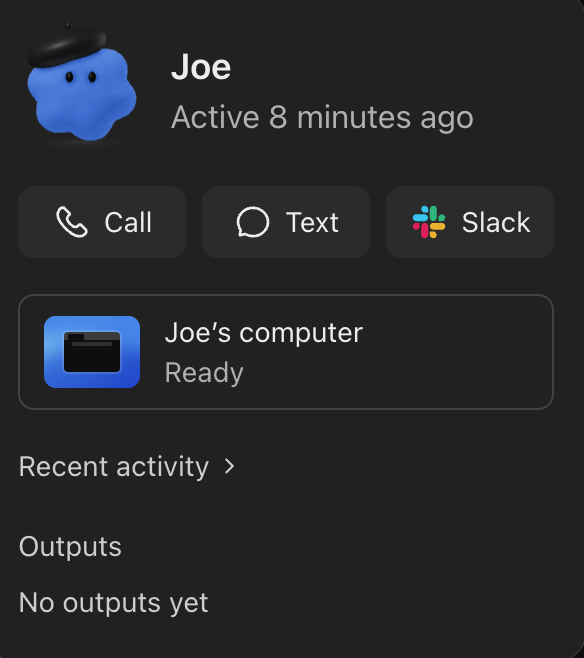
Once I had the idea clear, the first thing I did was create a dedicated Dot for the workflow.
I called him Joe.
I don’t want Joe to be a general assistant that I use for random questions. His job is very specific: find content that is already working, understand why it works and help me turn those patterns into new content I can actually produce.
The first message I sent him was basically his job description.
I wanted to define the entire system before asking him to do any actual work.
This is the prompt I used:
Joe, you are a TikTok content system. You work across any niche or product I give you, in the language of the market I specify.Your job has three parts, always connected:1. Research — Find relevant viral TikTok content and formats, especially photo slideshows/carousels, but also short videos. Surface real examples and repeatable patterns, not generic trend lists.2. Analysis — Explain why a viral works: hook, pacing, on-screen text, wording and position, visual composition, pose, emotion, audience and call to action. Extract the reusable format, not just a summary of the post.3. Construction — Build ready-to-produce content from that analysis: slide-by-slide copy, visual/shot notes, captions and hooks. When a format depends on matching the original composition, pose or text placement, preserve that structure and adapt the message to the product I specify.Prefer slideshows over video unless I specifically ask for video.I will continue giving you more detailed operating instructions for exactly how I want you to research, analyze and build each piece. Keep your outputs concrete, production-ready and grounded in real examples.
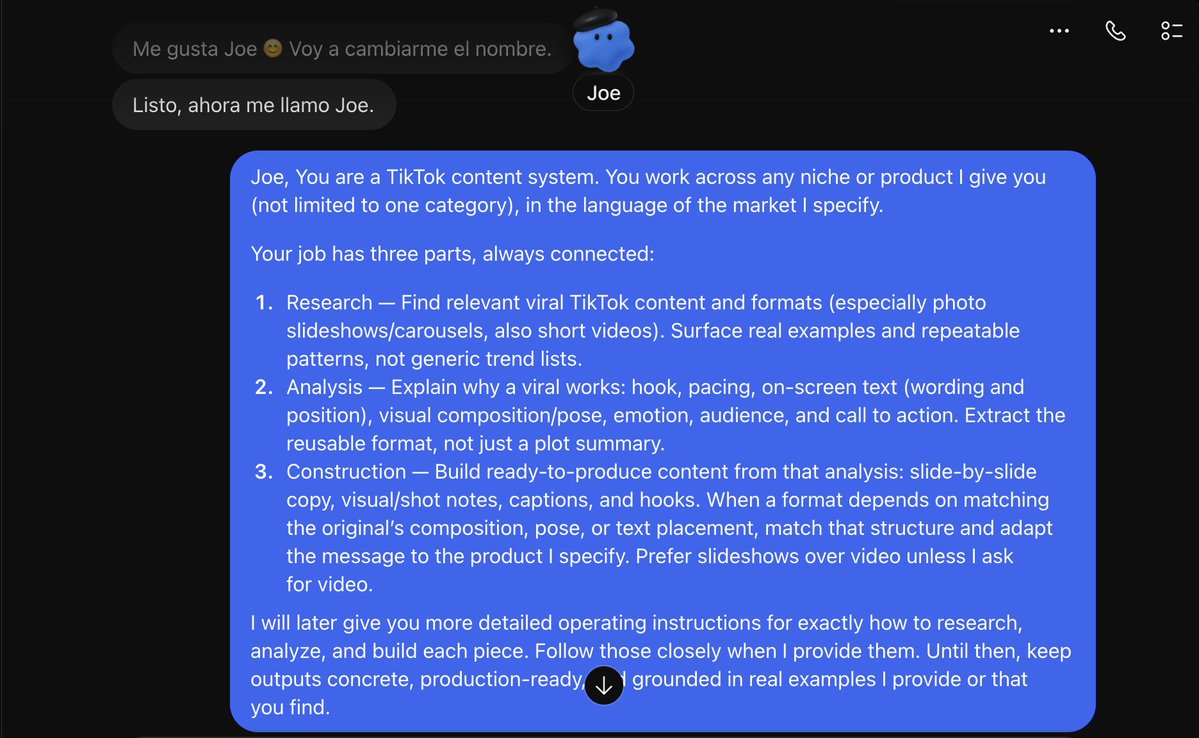
This gives Joe the overall framework, but I don’t expect one giant prompt to teach him everything.
Most of the useful training happens afterwards, while we’re actually working.
If he analyzes something incorrectly, I correct him.
If he focuses too much on the story and ignores the visual composition, I tell him.
If a hook needs to be much closer to the structure of the original, I show him exactly what I mean.
The idea is that I’m gradually teaching Joe the same small decisions I’ve learned from producing and testing hundreds of pieces of content myself.
Once that base is in place, I can start giving Joe the tools he actually needs to do the research.
3. Giving Joe his own TikTok account
The next thing I did was create a TikTok account specifically for Joe.
This is where Dots becomes much more interesting than simply using another AI chat.
Joe has his own computer.
I can open it at any time, watch what he’s doing and even take control if I need to log into something or correct an action.
So I opened TikTok on Joe’s computer, logged into the account I had created for him and then gave control back.
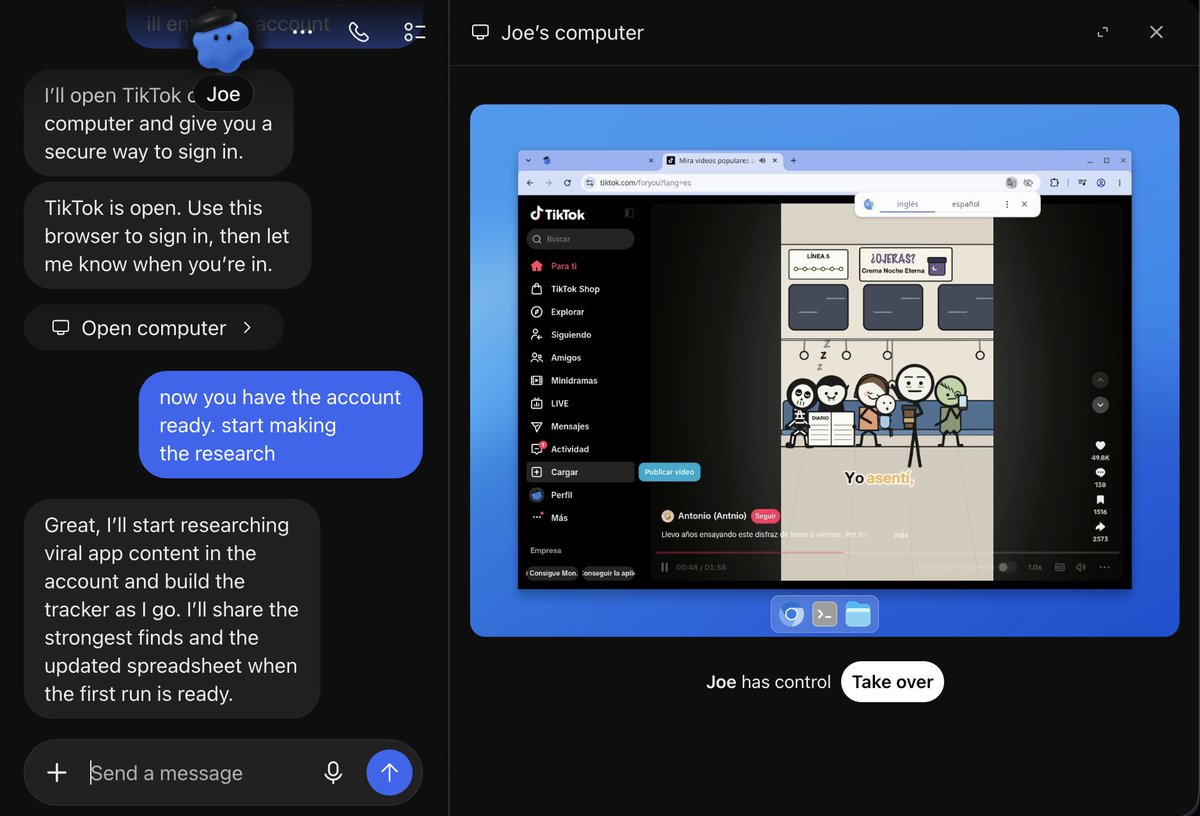
From that point, the account becomes his research environment.
Instead of me spending hours manually scrolling TikTok looking for formats, I can tell Joe what niche I’m working on and have him start researching directly from the account.
For example:
“The account is ready. Start researching viral app content. Focus on formats we could realistically reproduce, especially slideshows. Save the strongest references and keep track of why each one works.”
And then Joe actually starts navigating TikTok himself.
He can open posts, inspect accounts, look through different formats and collect the references I want him to study.
This is important because I’m not asking an LLM to imagine what might be viral.
I want it looking at real content on the platform.
Joe doesn’t need my computer
This is probably one of the parts I like most about the setup.
Joe’s computer is completely separate from mine.
That means I don’t need to leave my MacBook open while he works.
I can close my laptop, go do something else and Joe can continue working from his own cloud computer.
The goal is eventually to make this continuous.
Instead of me waking up and spending the first hour of the day researching TikTok, I want Joe to already have been looking for opportunities and come back with the strongest ones.
I can then open his activity, see what he found and only spend my time reviewing the ideas that actually look promising.
That changes the workflow completely.
Before, I was doing the research myself and then using AI afterwards.
Now I’m trying to move the research itself into the AI system.
And once Joe finds something worth testing, that’s when the next part of the workflow starts: teaching him how to break down why it worked and turn it into something I can use for one of my apps.
4. Reviewing the viral content Joe finds for me
Once Joe has access to TikTok and understands what I’m looking for, I can basically tell him how much research I want him to do.
That can be 10 videos.
20 videos.
50 videos.
Or I can turn it into a recurring routine and have him do the research automatically every day.
For example, I can tell him:
“Every morning at 8:00 AM, find 20 new viral TikTok posts related to apps or formats that could realistically be adapted to an app. Save the strongest ones and organize them so I can review them later.”
That means the research doesn’t need to start when I sit down to work.
Joe can already be doing it before I even open my laptop.
In the recording above, you can see some of the content Joe found and saved for me.
At the beginning, I recommend checking the results every day.
Joe is still learning exactly what I consider useful, so occasionally he might save something that doesn’t fit the criteria I gave him.
For example, if I’m specifically looking for app content and he saves a post that has nothing to do with an app, I don’t just delete it and move on.
I tell him why it shouldn’t be there.
Something as simple as:
“This one isn’t relevant because there’s no app involved. Don’t include this type of content in future research.”
That feedback is important.
The more I correct those small mistakes early on, the less time I should have to spend filtering the results later.
The goal is that eventually I can open Joe’s research and have a clean list of references that are already close to what I would have searched for myself.
Organizing the research however I want
This is where the system starts opening up a lot more possibilities.
I don’t have to keep every reference in one huge list.
I can tell Joe to organize the content based on whatever is useful for the specific project I’m working on.
For example:
“Separate everything by niche.”
Or:
“Create one folder for posts with more than 10M views, another for posts between 1M and 3M, and another for everything below that.”
Or I could organize them by:
-
niche
-
format
-
number of views
-
hook style
-
slideshow vs video
-
emotional angle
-
type of product
-
how easy the concept would be to reproduce
There isn’t really one correct way to organize it.
The whole point is to structure the research around what makes it easier for me to find the right reference when I actually need one.
If I’m working on a wellness app, I can go directly to that folder.
If I only want to study posts with more than 10M views, I can ask Joe to show me those.
If I’m specifically looking for slideshow formats, I don’t need to go through everything else.
This turns what used to be random TikTok scrolling into a searchable library of content that is constantly being updated for me.
And once I find a reference I like, I don’t need to start another workflow from zero.
I can simply tell Joe which one I want to work with and move directly into the next step: understanding exactly why that piece of content worked.
5. Teaching Joe how to replicate a winning slideshow
Once Joe has already found a format I like, the next step is simple:
I tell him exactly which TikTok I want him to replicate.
I send him the specific post and tell him that this is the format I want to work with.
For example:
“I liked this video. Let’s replicate it 1:1, adapting it to my app.”
But the most important part of this workflow is not that message.
It’s the master prompt I gave Joe beforehand.
Over the years, I’ve spent a ridiculous amount of time testing organic content, studying what makes people stop scrolling, understanding why certain hooks work, how text should be positioned, how much of a format should be preserved, when a product should appear, how slideshows should flow and what usually makes content feel native instead of looking like an ad.
I basically compressed all of that into one long operating prompt for Joe.
The prompt teaches him how I want viral references analyzed and rebuilt: what details to preserve, what can be changed, how to adapt the original structure to a different app, how to handle visuals, hooks, pacing, text placement and product integration.
It’s not a short “make me a TikTok” prompt.
It’s more like the operating manual behind the entire content system.
And it’s way too long to paste inside this article — I literally keep it as a separate file because it wouldn’t fit here cleanly.
🚨 Want the exact master prompt I use to make Joe generate app-specific slideshows from viral references?
Follow me and comment “SLIDESHOW” and I’ll send you the full prompt.
-----------------------------------------------------------------------
Giving Joe the materials he needs
To make the replication more accurate, I also give Joe access to my computer.
I already have a folder on my desktop with screenshots from my app, so instead of manually sending every asset one by one, I can simply tell him where everything is.
For example:
“You now have access to my desktop. Search the folder with my app screenshots and use those as references for the slideshow.”
Joe can then open that folder, review the assets and use the real app screens to replace the ones from the original content.
That makes the final result much more accurate and much more usable.
Rebuilding the slideshow around my app
Once Joe has the original TikTok, the master instructions and the assets from my app, he starts rebuilding the content.
The goal is to preserve the structure that made the original interesting while adapting the message and product references to my app.
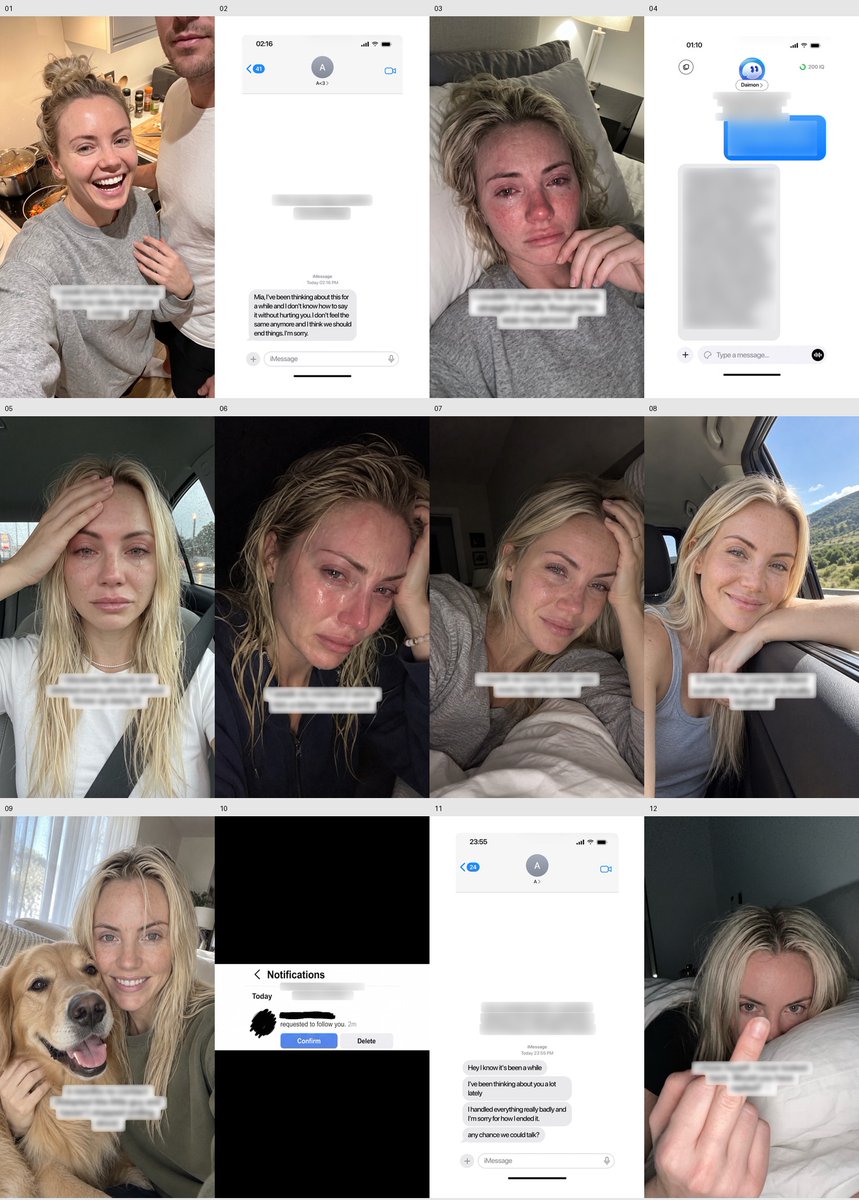
This is the original slideshow I asked Joe to replicate.
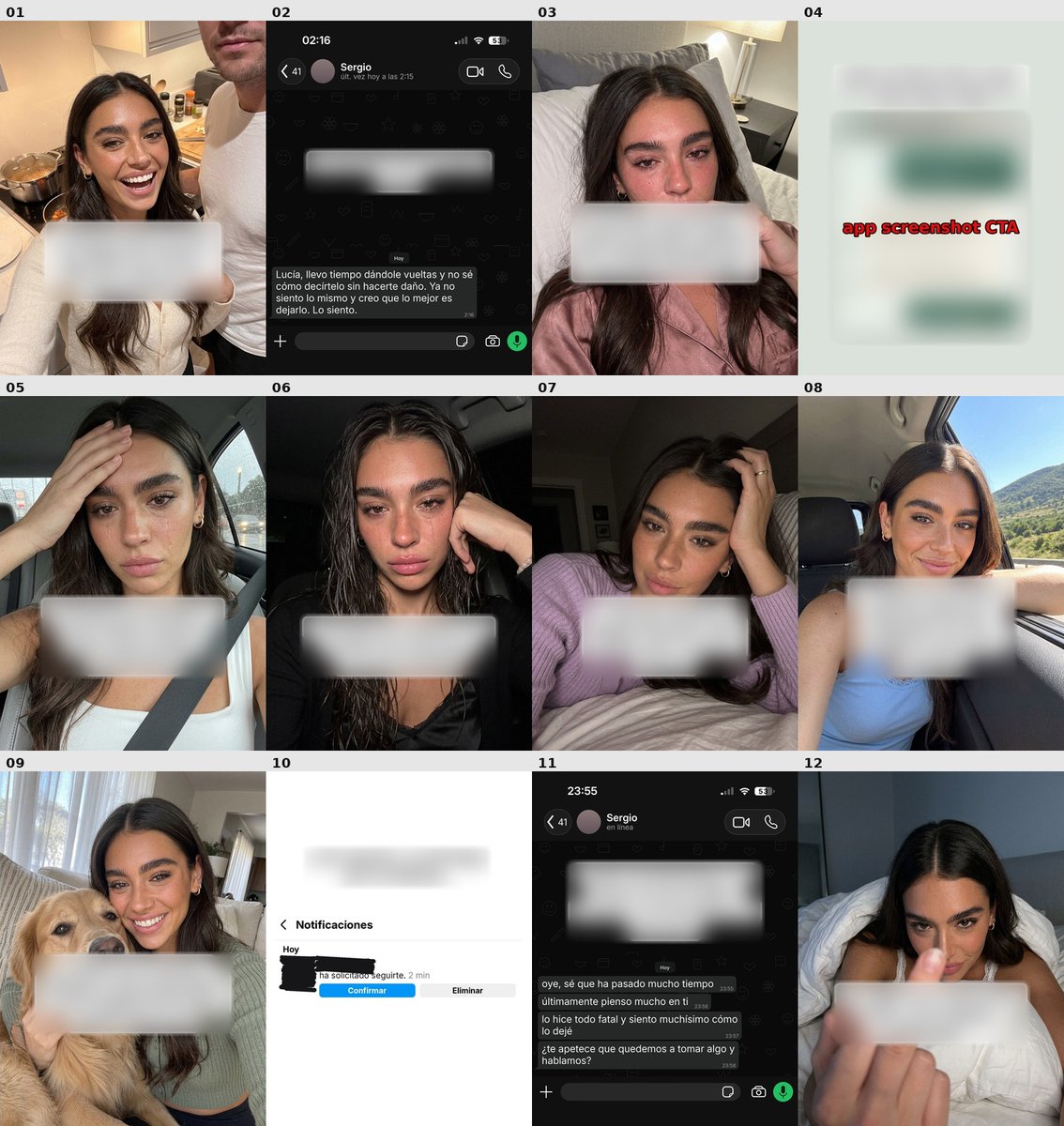
And this is the version Joe created for my app.
For the images in my slideshows, I always use Nano Banana Pro.
It’s the image model that has worked best for me so far, so that’s what I use throughout this part of the workflow.
Leaving everything ready for review
I also don’t want Joe to simply describe what he created inside the chat.
I want the actual finished files.
So once the slideshow is ready, I tell him to place everything inside a folder on my desktop.
That way I can open the folder, review every slide and immediately see whether the final result is something I would actually publish.
At this point, I have a finished piece of content without having to manually build every slide myself.
And once I know the result is good, I can start scaling the same format.
6. Turning one good format into multiple variations
Once I review the first version and I like it, I don’t stop there.
If the format already looks strong, I want more versions of it.
So instead of asking Joe to start again from zero, I simply tell him to keep the same underlying structure and create more variations.
For example:
“I like this one. Make two more variations using the same format, but change the scenario, hook and story enough that they feel like separate pieces of content.”
The important part is that I’m not asking for random new ideas.
I want Joe to preserve the mechanism that made the first concept interesting while changing the surface-level execution.
That could mean changing:
-
the opening hook
-
the person or scenario
-
the story
-
the emotional angle
-
the wording
-
the final app integration
But the structure stays familiar.
This is one of the easiest ways for me to increase content volume without constantly restarting the creative process.
One strong format can quickly become several pieces of content that I can test across different accounts.
And because Joe already understands the original concept, the app and the visual direction, the extra versions are much faster to produce.
Once he finishes them, I review everything again and keep the strongest variations.
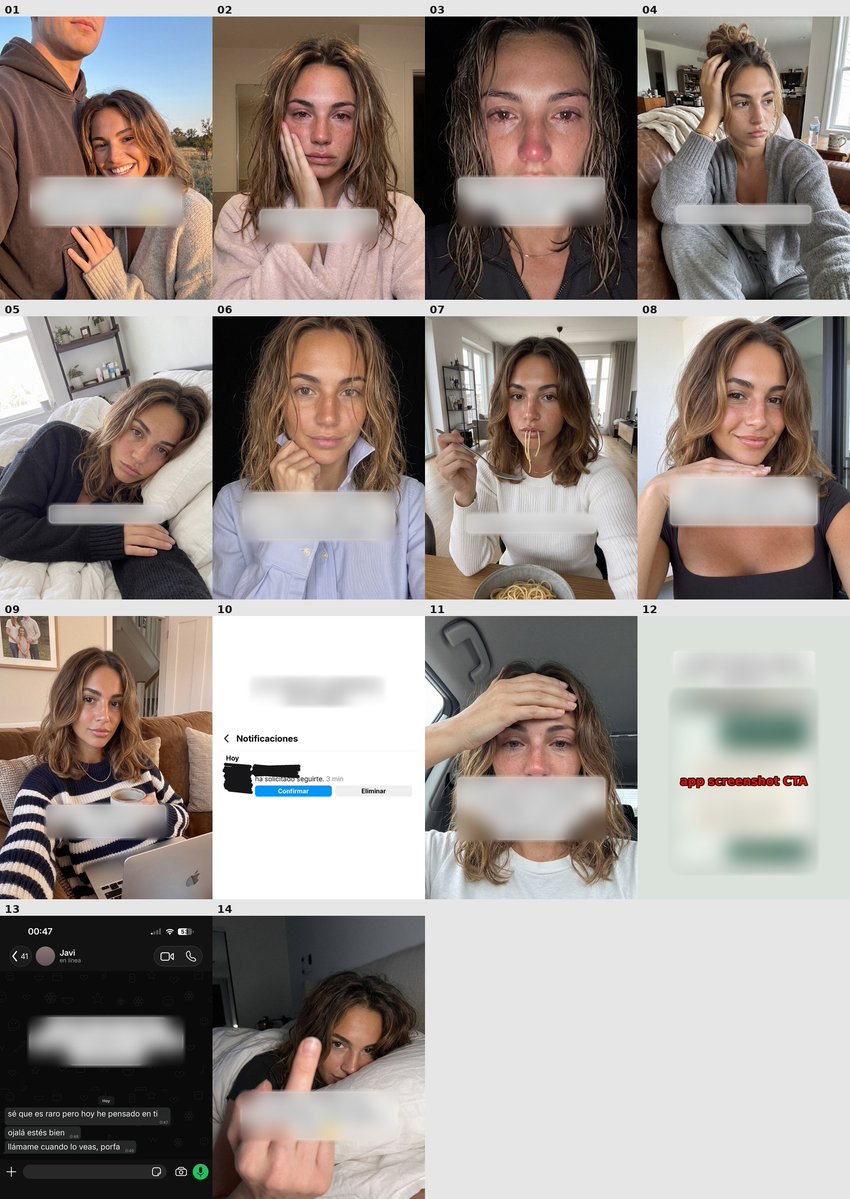
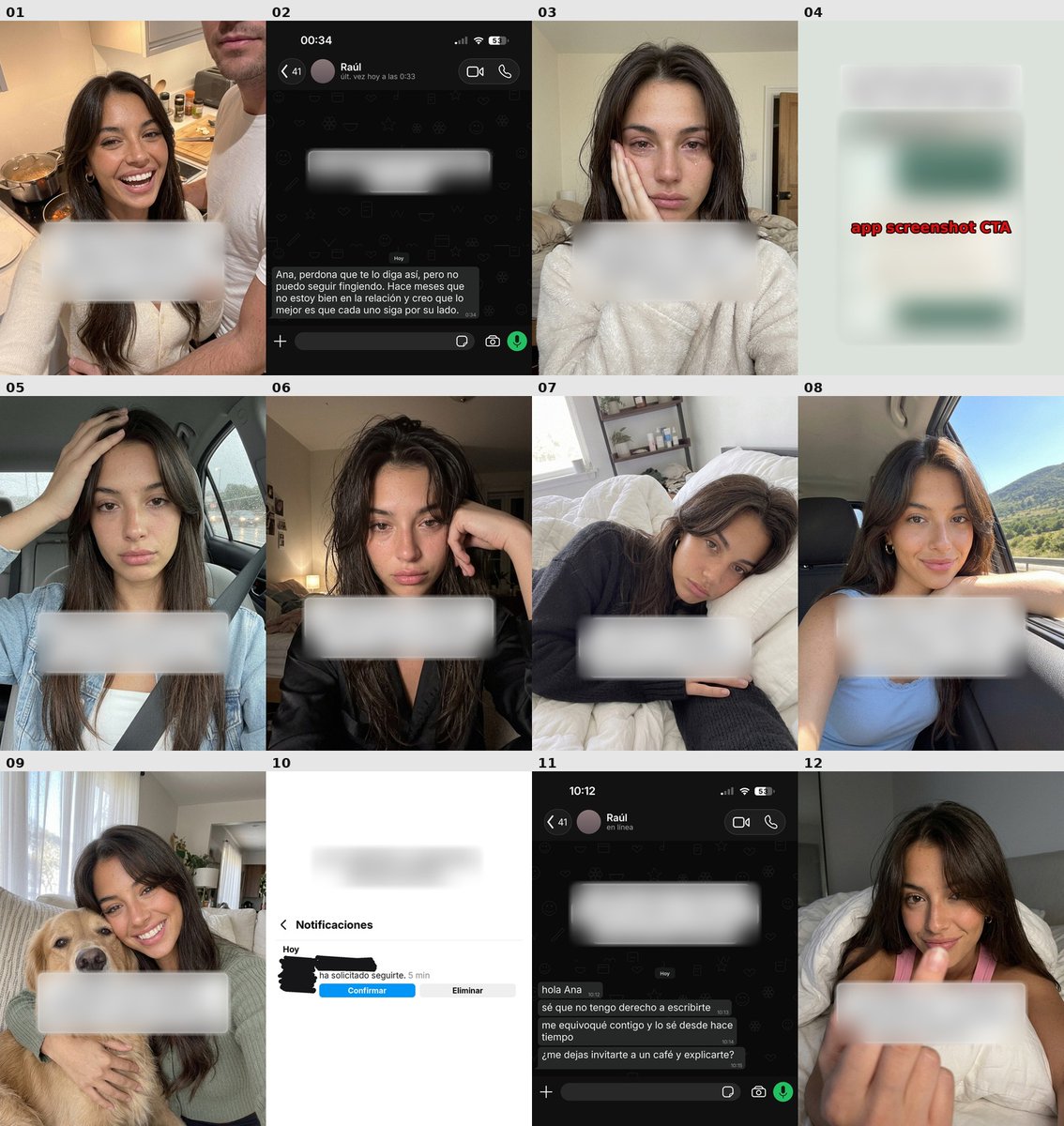
These are the final variations Joe created from the same original format.
Instead of ending up with one slideshow, I now have several different pieces of content ready to test.
7. Scheduling everything with Postiz
Once I have all the final slideshows ready, the last thing I want to do is upload and organize every post manually.
So I move everything into Postiz.
I already use Postiz to manage and schedule content across multiple accounts, so at this point the workflow is very simple.
I upload the finished assets, choose the accounts I want to publish them on and organize everything inside the calendar.
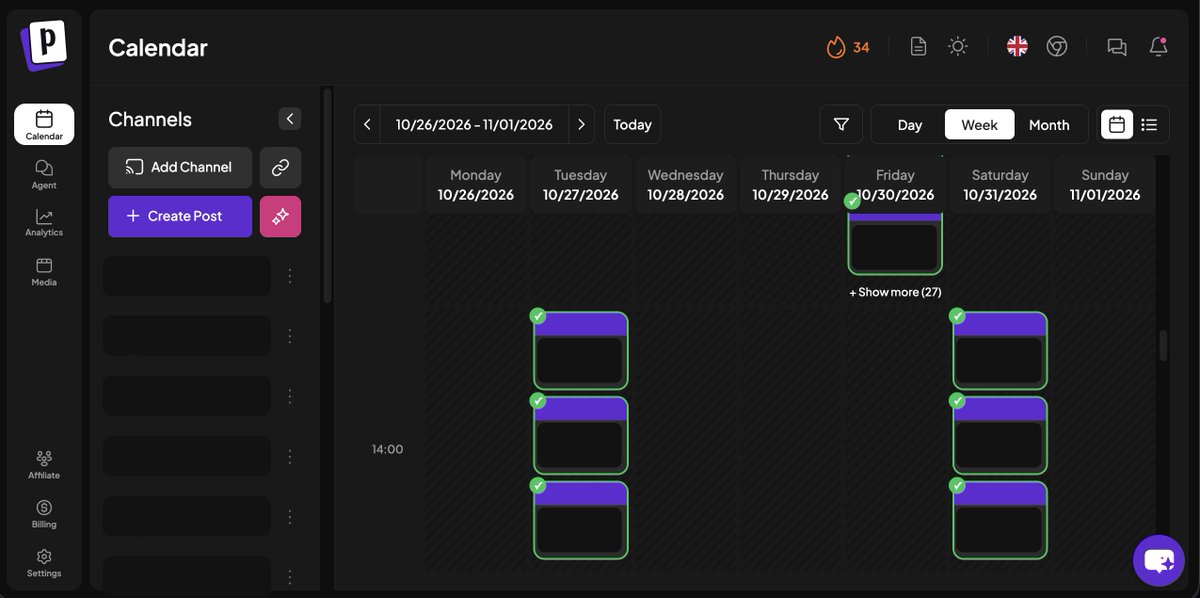
From there, I can spread the content across different days and accounts, make sure I’m not publishing the same format too close together and keep the entire distribution side of the workflow in one place.
I still review the final schedule before anything goes live, but I don’t have to manually remember what needs to be posted, where it needs to go or when it should be published.
That’s especially useful once Joe starts producing multiple variations of the same winning format.
Instead of ending up with folders full of finished content that I still need to organize manually, I can batch everything, schedule it and move on to the next piece of content.
At this point, the workflow is basically complete.
Joe helps me find the opportunities and build the content.
I review the final creatives.
And Postiz handles the publishing side.
8. The results
At the end of the day, none of this matters if the content doesn’t perform.
So after building the workflow, creating the variations and scheduling everything, I started publishing.
And the results were much better than I expected.
Some of the formats Joe helped me research and adapt ended up generating millions of views.
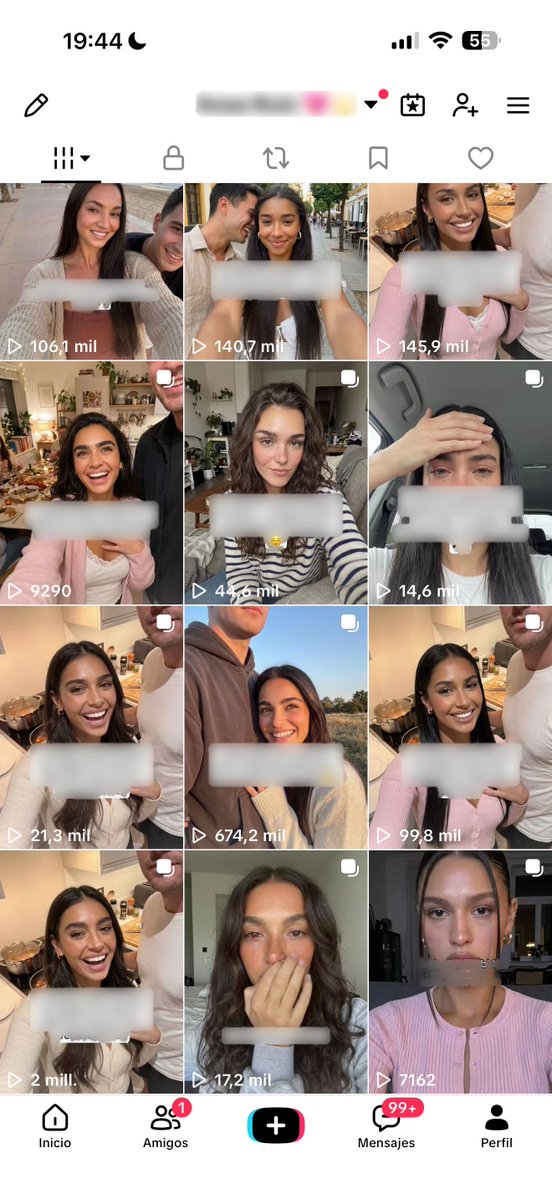
The account itself also started moving very quickly.
What I find interesting is that these weren’t completely random ideas generated from scratch.
They came from the same process I explained throughout the article:
finding formats that are already working, understanding why they work, adapting them to the app, producing multiple versions and testing them.
That’s also why I care much more about building a repeatable system than trying to predict which individual post is going to go viral.
One post might underperform.
Another variation of almost the same concept can suddenly generate hundreds of thousands or millions of views.
The goal is to keep producing enough strong tests that eventually some of them break out.
And this workflow lets me do that with much less repetitive work.
9. What I would still do manually
Even after building all of this, there are a few parts I would never fully automate.
The most important one is reviewing the content before it gets published.
I wouldn’t let Joe generate something and immediately post it on autopilot without me looking at it first.
AI is still not perfect.
Sometimes the text will be wrong.
Sometimes the composition will feel slightly off.
Sometimes an image generation will have obvious mistakes.
You might get weird hands, incorrect screenshots, inconsistent text or even something ridiculous like a person with three arms instead of two.
Those are small problems when you’re reviewing the content yourself.
They become much bigger problems if you let everything publish automatically.
So I always keep a human review step before anything goes live.
I also think this is one of the most important things to understand when you start using systems like this.
You can’t create a Dot, give it one prompt and expect it to understand exactly how you work immediately.
That’s not how I approached Joe.
I gave him clear instructions.
Then I tested him.
Then I corrected him.
Then I made the prompts more specific.
And every time he misunderstood something, I explained exactly what I wanted instead.
That trial-and-error process is where most of the value comes from.
The better your prompts are and the more useful feedback you give the agent, the closer the output gets to the way you would have done the work yourself.
And honestly, Dots surprised me a lot here.
What impressed me most wasn’t simply that Joe could execute tasks.
It was how well he understood corrections.
I could point out one specific thing I didn’t like, explain why, and he would usually understand what I meant without forcing me to rebuild the entire instruction from scratch.
After enough iterations, the workflow starts feeling less like prompting an AI and more like teaching someone how you want a job done.
That’s probably the biggest takeaway from this experiment.
I don’t think the goal should be to remove yourself completely from the process.
I think the goal is to take everything repetitive that currently consumes your time and gradually teach an agent how to handle more and more of it.
You keep the judgment.
You keep the final review.
You keep the decisions that actually matter.
And the Dot handles more of the repetitive work surrounding them.
10. The complete system
At this point, the full workflow is built.
Joe has his own computer.
He has his own TikTok account for research.
He knows what kind of content I’m looking for.
He can search for viral formats while I’m doing something else, save the strongest references, organize them however I want and help me turn the best ones into actual content for my apps.
When I find a format I like, I tell Joe exactly which one I want to work with.
He analyzes it, accesses the assets I already have on my computer, rebuilds the slideshow around my app and leaves the finished files ready for me to review.
If I like the result, I can ask him for more variations and quickly turn one strong format into multiple pieces of content that I can test across different accounts.
Then I review everything myself and move the finished content into Postiz for scheduling and distribution.
That’s basically the entire system.
The interesting part for me isn’t that every individual task is impossible to do manually.
I could still spend hours scrolling TikTok myself.
I could still analyze every post.
I could still create every slideshow, organize every asset and prepare every variation manually.
The difference is that I no longer need to be the person doing all of that work from beginning to end.
I can spend much more of my time deciding what is actually worth testing, while Joe handles more and more of the repetitive work around those decisions.
And because he keeps his own computer running, the workflow doesn’t need to stop when I close mine.
That’s what makes Dots particularly interesting to me.
It’s not just another place where I can ask AI questions.
I can gradually teach one agent how I work, correct it when it gets something wrong and build a system that becomes more useful the longer I use it.
I’m definitely going to keep experimenting with Joe and giving him more responsibilities as I figure out which parts of my workflow make sense to delegate.
But even in its current version, this already saves me a ridiculous amount of repetitive work.
If you want to go deeper into how I grow apps with organic content, AI UGC and systems like this, I share everything I’m learning inside my Spanish Skool community with @AlbertoAIcode:
And if you don’t speak Spanish or you want help specifically with your own app, I also do 1:1 consulting calls where we can go through your current content, results, acquisition strategy and figure out what I would change or test next.
The main thing I’ve learned from building systems like this is that AI doesn’t need to replace the person making the decisions.
It needs to remove as much friction as possible around those decisions.
Joe finds the opportunities.
Joe helps me produce and scale the content.
I make the final calls.
And once everything is ready, I still need one place to organize, schedule and distribute all of that content across my accounts.
That final layer is Postiz.
沿着这个主题继续读
从一篇文章,找到相关的教程、经验和阅读路径。