使用 MiniMax H3 制作一支约 42 秒的高时装 Editorial MV
文章目录
它不是传统意义上的舞蹈视频,也不是简单地让人物对着镜头摆几个姿势,而是尝试把商业时装广告的拍摄语言融入音乐视频:快速变换构图、富有表现力的身体线条、精准的镜头运动、节奏化剪辑,以及跨片段的连续转场。
整个项目最值得总结的,是如何在 H3 的独立分段生成机制下,尽可能维持同一个人物、同一个空间和同一套视觉风格。
一、整体结构:不是一条 42 秒的长提示词
整支 MV 根据音乐切分成三个独立生成片段:
片段时长主要内容Segment 113.364 秒雷霆运镜开场,建立人物视觉冲击Segment 213.805 秒俏皮、自信的时装姿态与镜头变化Segment 314.397 秒情绪柔化、时装展示与最终定格
总时长 41.566 秒。
采用三段独立生成,而不是让模型一次性完成整支视频。这样可以分别控制每一段的动作、镜头、节奏和结尾状态,也更方便针对某个片段单独修改。
每一段都拥有完整、自洽的 H3 提示词,不依赖上一段生成的视频作为额外视觉参考。
二、Picture 1:人物和环境必须同时锁定
这次采用的核心原则是:
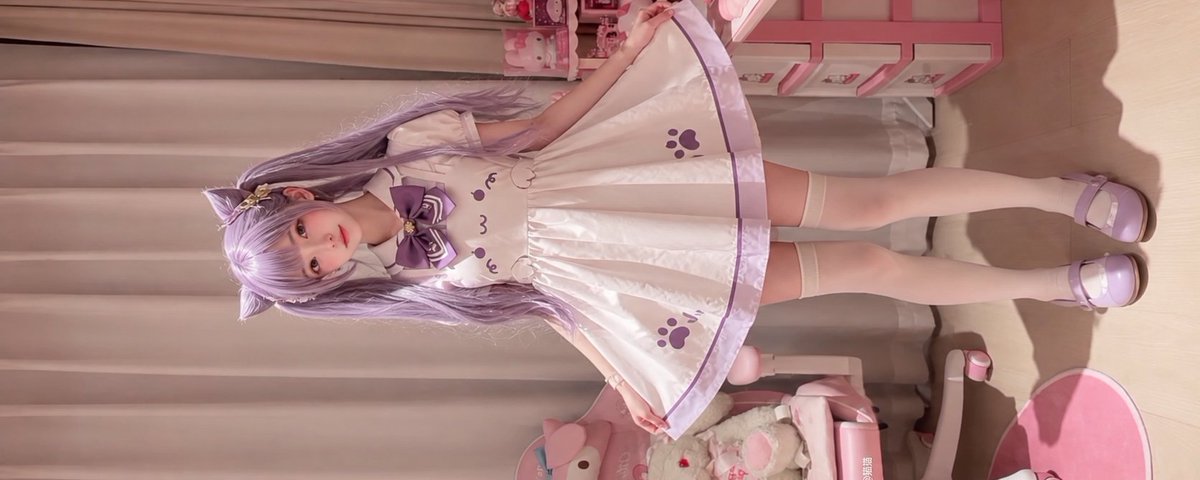
Picture 1 不只是人物参考图,也是整支 MV 的视觉世界锚点。
它负责锁定:
-
人物身份、五官、发型、妆容和身体比例
-
完整服装、鞋履、配饰及服装结构
-
原始场景、墙面、地面、空间纵深和固定陈设
-
光线方向、阴影、曝光、对比度和整体色彩
-
摄影质感、镜头特征和画面真实感
镜头可以改变人物在画面中的位置、景别和构图,但不能因为镜头变化就重新生成一个房间。
尤其需要注意:背景锁定不是只在开头声明一次。第三段的提示词专门强化了环境约束,明确要求镜头改变时,背景仍然是 Picture 1 中的同一个空间。
这解决的是一个很常见的问题:人物看起来没变,但生成到后半段,墙面、地面、空间结构和光线已经悄悄变成了另一个场景。
三、Segment 1:雷霆运镜开场
第一段最重要的设计,是把镜头运动拆成明确的瞬间冲击和静态英雄画面。
镜头顺序:
脚部 → 膝部 → 上半身 → 面部 → 极限面部推进 → 三次镜头冲击 → 静止 → 闭眼与睁眼 → 最终旋转。
它不是普通的连续推镜。
镜头在每次快速移动之后,都必须立即停止,形成清晰的静态构图。
这套设计有两个关键状态:
-
Instant Burst:镜头在指定时间内快速完成构图变化。
-
Hard Lock:到达目标构图后,摄影机完全停止。
最重要的是不要把两种状态混在一起。
例如,镜头从膝部切换到上半身之后,必须真正停住,而不是继续缓慢移动。面部冲击完成后,也必须立即回到静止状态。
这种速度与静止之间的强烈反差,才是开场的视觉冲击来源。
四、Segment 2:用身体线条代替逐字演绎歌词
第二段对应偏爱、逛漫展、应援牌、可爱和奶茶等歌词。
但没有把歌词直接转换成画面。
例如:
-
偏爱:用手靠近胸口,再向外展开的姿态表达。
-
逛漫展:用轻快的交叉步和肩部弹动表达兴奋。
-
应援牌:用上半身的双手构图动作表达,而不是凭空生成一块牌子。
-
最可爱:用膝部轻微下沉、肩部转动和俏皮的头部倾斜完成。
-
两杯奶茶:转换成两个清晰的肩部和手臂节奏重音,不真的生成饮料。
这样做的原因是:
歌词负责提供情绪,镜头和身体动作负责完成视觉表达。
如果每一句歌词都直接拍成对应的物品或事件,最终容易变成低成本的歌词插画,而不是一支有完整视觉语言的商业 MV。
五、Segment 2 → Segment 3:独立生成也要有连续转场
这是整个项目中特别值得研究的部分。
因为第二段和第三段是两个独立生成的视频,模型并不知道上一段最后一帧究竟是什么样子。
因此,不能简单要求第三段“接上上一段”。
需要把转场拆解成可以独立描述的物理状态。
第二段结尾:
-
人物左脚落地并完成重心转移。
-
身体向自身左侧启动四分之一转身。
-
左肩先靠近镜头,头部稍后跟随。
-
摄影机沿相同方向做紧凑弧形运动。
-
人物原有的头发和近侧肩部自然掠过镜头,形成遮挡。
第三段开头:
-
从相同方向的头发与肩部遮挡状态开始。
-
摄影机继续相同方向的弧形运动。
-
人物完成剩余转身和重心转移。
-
遮挡自然消失,重新显露人物和原始环境。
剪辑时在遮挡最完整的位置切开。
这套方法的核心是:
不要求两个独立视频拥有相同的首尾帧,而是让它们共享同一个动作状态、运动方向和镜头运动逻辑。
相比单纯要求“无缝衔接”,这种描述更具体,也更容易执行。
六、Segment 3:从情绪表演回到时装广告
第三段先用一个干净的交叉步完成开场,再通过自我拥抱、手靠近脸颊、肩部旋转、身体倾斜和最终全身定格,逐步完成情绪变化。
它的节奏不是一直保持强烈冲击,而是从俏皮转向柔和,再重新建立时装大片的自信感。
最后的裙摆动作也经过了调整。
最初设计中出现了重复抛裙的问题,而且双手提裙容易显得刻意。
最终只保留一次轻巧的单侧裙摆动作:
-
人物先自然站稳。
-
指尖轻轻带住一侧裙边。
-
手腕顺势向上轻 flick 一下,立即松手。
-
裙摆短暂摆动,露出里面不透光的白色四角打底裤。
-
裙摆依靠重力自然落回。
-
最后保持完整全身构图,进入稳定的商业广告式定格。
摄影机不追着裙摆移动,也不特意推近强调局部。
这个动作只是整个时装姿态的一个俏皮收尾,而不是独立的展示表演。
七、镜头设计:让每一次运动都有明确目的
这次没有把镜头运动写成一连串抽象的“推、拉、摇、移”。
而是尽量使用物理摄影逻辑:
-
镜头从什么位置开始。
-
与人物保持怎样的空间关系。
-
关注人物身体的哪个部位。
-
沿什么方向运动。
-
在什么动作节点停止。
-
最终形成什么构图。
例如人物向左转,摄影机也沿相同方向做短弧运动,而不是随意绕人物旋转。
又例如从近景切换到全身构图,需要明确改变摄影机的空间位置和观察范围,而不是仅仅要求模型随机缩小人物。
整支片子采用多种镜头语言交替:
-
近距离压缩感的人像构图
-
全身时装轮廓
-
侧前方身体线条
-
短距离横向移动
-
紧凑弧形跟随
-
快速构图突变
-
对焦转移
-
动作匹配剪辑
-
适度的倾斜构图与水平复位
另外一个重要原则是:不使用数字角度标签代替真实摄影描述,而是说明摄影机的物理位置、运动方向和人物之间的关系。
八、节奏控制:快歌不等于每一拍都换动作
本次音乐参数:
-
BPM:126
-
Beat:0.4762 秒
-
Bar:1.9048 秒
-
Phrase:3.8095 秒
每一段使用对应的原始音乐切片作为 <Audio 1>,所有动作、镜头切换和姿态重音都以该音频为时间依据。
但并不是每一个 Beat 都必须安排一个新动作。
更合理的方式是把动作组织成短小、连贯的运动短句,在关键节拍上完成视觉重音。
动作之间保留自然的惯性和跟随:
支撑脚承重 → 膝部响应 → 骨盆转移 → 躯干跟随 → 肩部与手臂完成动作 → 头部和视线收尾。
这样既能保持快节奏,又不会让人物像机械玩具一样每隔半秒突然换一个姿势。
九、这次制作得到的几个经验
-
参考图锁定要覆盖整个视觉世界。 人物、服装和背景应该作为一个整体管理,而不是只锁定面部。
-
独立生成不代表镜头必须断开。 通过动作状态、运动方向和遮挡关系,可以设计跨片段的匹配转场。
-
镜头运动必须有物理逻辑。 只写“高级运镜”没有意义,需要明确摄影机和人物之间的空间关系。
-
歌词不应该成为画面说明书。 歌词提供情绪,画面应该用更高级的视觉语言表达。
-
动作需要节奏,也需要呼吸。 快节奏不是无休止地增加动作数量,而是让动作有起始、展开、重音和收束。
-
最后的细节要服务于整体。 一个自然的小动作,往往比刻意重复的视觉强调更有时装广告质感。
结语
这次制作的重点,不是让 H3 生成更多动作,而是让它按照一套完整的导演思路工作:
音乐节奏 → 情绪设计 → 身体动作 → 镜头调度 → 分镜剪辑 → 跨段连续性 → 最终画面。
当每一段都有明确的视觉目标、每一个镜头都有物理运动逻辑、每一次动作都有节奏依据时,独立生成的片段才有机会组合成一支真正完整的 MV。
**完整提示词
**# 30-Second High-Fashion Editorial Commercial — H3 Full-Reference Prompt Pack
Format: 2 independent H3 generations × 15 seconds = 30 seconds total
Visual reference: <Picture 1> is the sole visual authority in both generations.
Master style: The second prompt's dense Japanese fashion-editorial montage grammar remains the governing style for the full film.
New integration: The supplied “Thunder Camera” sequence becomes the opening 5.3 seconds of Segment 1. It is not repeated in Segment 2.
Continuity: Each generation is independently anchored to <Picture 1>. Segment 2 is a new editorial continuation, not a copy of Segment 1's final frame and not a return to the original Picture 1 pose.
Integration decisions
-
Segment 1 opens with the complete 5.3-second Thunder Camera sequence: feet → knee → upper body → face, hard-locked hero frames between instantaneous camera bursts, the extreme face burst, three discrete impacts, eye closure/reopening and the final clockwise camera roll.
-
The Thunder Camera sequence changes the camera composition only. During its first 5.3 seconds, the subject's pose and anatomy remain stable; the camera creates the body-part progression.
-
At 5.3 seconds, a hard editorial cut leaves the face close-up and returns to a full-figure fashion-editorial sequence. No continuous pullback connects these two compositions.
-
Segment 1's remaining 9.7 seconds use a compact selection of distinct poses from the existing editorial language. Segment 2 keeps the ten-moment fashion sequence as its main action structure.
-
The first segment's persistent sideways camera language ends at the 5.3-second editorial cut. It does not leak into the later standing/seated montage or Segment 2.
-
No numeric camera-angle labels are used. Camera placement is described physically and compositionally. The original environment, light and color treatment remain unchanged in both segments.
SEGMENT 1 — 00:00–00:15
```text
For the target video, at 0.00 seconds into this 15-second segment, <Picture 1> is fully referenced as the sole and permanent visual authority.
subject_definitions:
<Subject 1> is the adult woman shown in Picture 1.
PICTURE 1 — SOLE FULL-REFERENCE AUTHORITY
Picture 1 permanently defines and locks:
-
the subject's exact identity, face, facial structure, eyes, hair, hairstyle, makeup, skin tone, body proportions and apparent height;
-
the complete outfit exactly as shown, including every garment, garment construction detail, shoes, jewelry and all accessories;
-
the exact original location, room geometry, architecture, background, floor, surfaces, fixed set dressing and spatial relationships;
-
the reference lighting character, exposure, shadow direction, contrast, color palette, color grade, lens character, photographic realism and overall image quality;
-
the exact starting visual state at the beginning of this generation.
Preserve the same woman and the same physical place in every frame. Do not relocate, redesign, redecorate, clean up, simplify or restage the environment. Do not add furniture, handheld objects, decorative objects, set dressing, people or background activity. Use only surfaces and set elements already visible in Picture 1. Do not invent a pocket, belt, lapel, hem detail or garment opening that is not actually present in the reference outfit.
Picture 1 is the only visual reference. There are no Picture 2 or Picture 3 pose references, no reference video and no alternate identity source. All later poses are newly performed by Subject 1 while her appearance and the original environment remain locked to Picture 1.
MASTER CONCEPT
Create a realistic live-action, premium Japanese high-fashion editorial commercial: an aggressive Thunder Camera opening followed by a dense sequence of distinctive photographic poses, precise body language, decisive camera repositioning and editorial cuts. The result should feel like a top-tier fashion campaign compressed into 15 seconds, not a dance routine, not a music-video performance and not a conventional portrait video.
The visual attitude is mature, self-possessed, stylish, confident, controlled and fashion-forward. The clothing remains fully worn, opaque and intact. Keep the performance non-explicit and non-fetishized. Emphasize silhouette, posture, garment structure, leg lines, shoulder lines, gaze, expression and photographic composition.
The rhythm is dense and staccato:
completed image → instantaneous camera burst or hard editorial cut → complete static composition → a clearly different body line → cut.
Every pose must have a distinct silhouette. Do not recycle the same leg arrangement, hand placement, torso angle or frontal portrait. Ordinary actions remain concise and natural. Pose changes are physically performed; editorial cuts may occur between completed actions. Never teleport limbs within a continuous shot.
AUDIO 1 — ABSOLUTE TIMING AUTHORITY
<Audio 1> is the actual supplied soundtrack and the sole temporal and rhythmic authority for this segment. Use only the exact 00:00–00:15 source slice from the continuous 30-second soundtrack. Treat the beginning of this local slice as video time 0.000. The Thunder Camera cue map below is the opening visual timing map; synchronize its key impacts to the corresponding events in this supplied Audio 1 slice. Audio 1 controls the cuts, pose accents, head turns, gaze changes, camera bursts, eye action and final roll. Do not invent another rhythm, substitute generic cinematic timing, restart, pause, gap, stretch or remix the audio.
Do not lip-sync, sing, speak, act out lyrics or add dialogue. No on-screen text or logos.
==================================================
THUNDER CAMERA OPENING — 00:00.000–00:05.300
==================================================
CORE MECHANISM
This opening is a sequence of discrete editorial camera compositions. It is NOT one continuous camera journey. The visual mechanism is:
PICTURE 1 → INSTANT SNAP → FEET HERO LOCK → INSTANT SNAP → KNEE HERO LOCK → INSTANT SNAP → UPPER-BODY HERO LOCK → INSTANT SNAP → FACE HERO LOCK → AUDIO 1 MAJOR BEAT → EXTREME FACE BURST → THREE CAMERA IMPACTS → ABSOLUTE STATIC FACE HERO → EYE CLOSURE → AUDIO 1 FINAL EVENT → FINAL CLOCKWISE CAMERA ROLL → LOCK.
The camera alternates between exactly two states:
STATE A — HARD LOCK
Absolute zero camera motion. No translation, zoom, push, pull, pan, tilt, orbit, roll, drift, parallax, handheld motion, micro-shake, residual movement or speed ramp. Once a static composition is reached, the camera behaves like a still photograph held on screen.
STATE B — INSTANT BURST
Camera movement occurs only inside the explicitly specified burst interval. It begins immediately, moves extremely fast, completes the entire reframing inside that interval and stops immediately at the interval's end. No gradual acceleration, gradual deceleration, easing or smooth interpolation. Directional optical motion blur may appear only during the burst. At the exact end of every burst, camera motion returns to zero.
Do not blend the two states. Do not let motion leak across a time boundary. The body and pose do not rotate or deform to create the sideways composition; camera orientation alone creates it.
00:00.000–00:00.120 — INITIAL SNAP / PICTURE 1 TO FEET
Begin from the exact visual state of Picture 1. Do not hold the original composition. Immediately perform a very short, forceful camera burst into an extreme low-angle close composition of the existing shoes, feet and lower legs. The camera is physically near the floor, looking along the lower-leg line; this is a tight detail, not a floor-level wide shot looking up the whole body. The footwear becomes the dominant subject. Establish the opening's strong sideways editorial orientation during this first snap. Complete the entire reframe inside this interval. At 00:00.120, stop completely.
00:00.120–00:00.420 — STATIC HERO FRAME 01 / FEET
The shoes and lower legs remain in exactly the same composition. Camera is absolutely locked. The footwear remains clear and faithful to Picture 1. No camera travel upward, no zoom, no drift and no residual momentum. Only the smallest natural human micro-motion is allowed; the body does not twist, rotate or deform to accommodate the camera.
00:00.420–00:00.560 — INSTANT BURST 01 / FEET TO KNEE
At the next Audio 1 cue, snap directly from the feet/lower-leg composition to a close composition dominated by the knee and upper leg. This is a discrete editorial camera reposition, not a continuous upward journey. Use a very fast directional burst with brief directional motion blur. Stop completely at 00:00.560.
00:00.560–00:01.020 — STATIC HERO FRAME 02 / KNEE
Hold the knee and upper-leg composition as a still photograph. Maintain the established sideways camera orientation. No translation, zoom, push, pull, pan, tilt, orbit, roll, drift, parallax, shake or residual movement. Do not slowly travel toward the waist. The static authority of this frame must be as strong as the later face lock.
00:01.020–00:01.180 — INSTANT BURST 02 / KNEE TO UPPER BODY
Snap from the knee/upper-leg composition directly to the upper torso, shoulder and neck. The entire reframe occurs inside this brief interval. Do not smoothly connect the two compositions. Maintain the same sideways camera orientation during the burst. Stop completely at 00:01.180.
00:01.180–00:01.620 — STATIC HERO FRAME 03 / UPPER BODY
The upper torso, shoulder and neck dominate the frame. The horizon remains strongly diagonal and visibly sideways. Do not level the horizon or counter-roll. Camera is absolutely locked with no translation, zoom, pan, tilt, orbit, roll, drift, parallax or shake. The subject's body remains faithful to the source pose and proportions.
00:01.620–00:01.820 — INSTANT BURST 03 / UPPER BODY TO FACE
Perform the sharpest upward camera reposition so far, moving directly from the neck/upper torso to the face. Maintain the sideways camera orientation through the burst. This is an instantaneous editorial attack, not a gradual approach. Do not slowly zoom. Stop completely at 00:01.820.
00:01.820–00:02.050 — STATIC HERO FRAME 04 / FACE
The face fills most of the vertical composition. The sideways orientation remains active. Camera is absolutely locked. Both eyes remain open and directed into the lens. Keep facial identity, proportions, expression character, skin texture and hairstyle exactly consistent with Picture 1. No camera momentum continues into this hold.
00:02.050 — AUDIO 1 MAJOR BEAT / EXTREME FACE BURST TRIGGER
At the exact major Audio 1 beat mapped to 00:02.050, begin the most aggressive camera burst in the opening immediately. Do not prepare, anticipate or ease into the movement.
00:02.050–00:02.420 — EXTREME FACE BURST
Attack toward the face at extreme speed, covering a large visual distance inside this short interval. Use a powerful forward camera burst and strong directional optical motion blur. No smooth cinematic glide, dreamy movement, speed ramp or easing. The face remains anatomically stable and recognizable. Stop completely at 00:02.420.
00:02.420–00:02.500 — THREE DISCRETE CAMERA IMPACTS
Immediately after the extreme burst, perform three individually readable camera impacts:
-
a tiny positional jolt;
-
a very brief forward scale punch;
-
a very brief rotational micro-jolt.
The rhythm is THUMP → THUMP → THUMP → LOCK. These are three separate short impacts, not continuous vibration, random jitter or prolonged handheld shake. Only the camera receives the impacts; do not deform the face, head or body. Immediately after the third impact, return to absolute hard lock.
00:02.500–00:04.800 — STATIC HERO FACE FRAME
Hold the face in an almost perfectly fixed composition. The contrast is extreme speed → three impacts → complete stillness. Camera is absolutely locked: no zoom, push, pull, pan, tilt, orbit, roll, drift, parallax, shake, handheld movement or focus hunting. Allow only extremely subtle natural breathing, minute eye movement and minimal hair movement. Do not add a beauty-filter look or artificial skin smoothing.
00:04.800–00:05.020 — EYE CLOSURE
At the exact Audio 1 cue, the subject closes her eyes in one clean, controlled eyelid action and slightly lowers her gaze. Keep the head and camera still. Do not change the facial structure or expression identity. This is an action within the existing face hero frame, not a new shot.
00:05.020–00:05.100 — STATIC TRANSITION GAP
Maintain the exact face composition. Eyes remain closed. Camera remains absolutely locked. Do not begin the final camera movement early.
00:05.100–00:05.300 — FINAL EYE REOPENING AND CLOCKWISE CAMERA ROLL
At the exact final Audio 1 event, the eyes reopen and the camera immediately performs one decisive clockwise roll with a subtle forward push. The movement starts at the event itself, with no pre-roll or anticipation. Complete the roll entirely inside this interval. End on an intentional sideways editorial face composition: the face remains clearly readable, the eyes look directly into the lens, and the image is not accidentally upside down. Stop completely at 00:05.300.
FINAL THUNDER OPENING FRAME
The face remains in a strong sideways editorial composition, with direct gaze and exact Picture 1 identity. Camera is fully locked. No additional movement, no residual drift and no shake. This final close-up is the endpoint of the Thunder Camera opening.
THUNDER CAMERA ABSOLUTE TEMPORAL RULE
The exact local event map is:
00:00.000–00:00.120 INITIAL SNAP TO FEET
00:00.120–00:00.420 FEET HARD LOCK
00:00.420–00:00.560 SNAP TO KNEE
00:00.560–00:01.020 KNEE HARD LOCK
00:01.020–00:01.180 SNAP TO UPPER BODY
00:01.180–00:01.620 UPPER-BODY HARD LOCK
00:01.620–00:01.820 SNAP TO FACE
00:01.820–00:02.050 FACE HARD LOCK
00:02.050–00:02.420 EXTREME FACE BURST
00:02.420–00:02.500 THREE CAMERA IMPACTS
00:02.500–00:04.800 FACE HARD LOCK
00:04.800–00:05.020 EYE CLOSURE
00:05.020–00:05.100 CLOSED-EYE HARD LOCK
00:05.100–00:05.300 FINAL CLOCKWISE ROLL AND REOPENED-EYE LOCK.
For every static interval, camera motion is zero. For every burst interval, all camera movement begins and ends inside that interval. Never begin early, continue late, or interpolate through a static frame. The sideways camera language persists from the first feet snap through the complete middle ascent to the face; do not level or counter-roll during this Thunder Camera phase.
==================================================
POST-THUNDER EDITORIAL MONTAGE — 00:05.300–00:15.000
==================================================
At 00:05.300, leave the sideways face hero by a HARD EDITORIAL CUT. Do not pull back continuously from the face to reveal the full body. The new shot may return to a level horizon because the Thunder Camera phase has ended at the cut. This is a new photographic composition in the same Picture 1 location, not a new environment.
00:05.300–00:05.480 — SHOT 05 / FACE-TO-FULL-FIGURE SNAP
Make one instantaneous editorial scale and position change from the face close-up to a full-figure three-quarter composition. Do not create a continuous zoom-out or dolly backward. The complete original outfit and shoes are visible. Subject is already in a poised standing position, anatomically stable and fully dressed. The composition is upright and clean after the cut.
00:05.480–00:06.200 — SHOT 06 / ASYMMETRIC STANDING LINE
Subject places weight decisively through one supporting leg, allows the opposite knee to relax and creates an offset line through the hips and shoulders. One arm forms a restrained diagonal while the other remains relaxed. This is not the S-curve pose reserved for the opening of Segment 2. Use a medium-full, slightly off-axis composition with compressed normal-to-telephoto perspective. Camera hard-locks as soon as the silhouette reads clearly.
00:06.200–00:06.340 — CAMERA SNAP / STANDING TO PROFILE
A short, instantaneous lateral camera reposition to a strict side-profile view. No continuous orbit. Stop immediately.
00:06.340–00:07.100 — SHOT 07 / CLEAN SIDE PROFILE
Subject lengthens the torso, softens the forward knee and lets the other leg extend slightly behind. Keep the head direction distinct from the torso for a clean profile. One hand rests naturally only on an actual garment feature or at the side of the body. Use compressed telephoto intimacy; hold the completed line briefly.
00:07.100–00:07.240 — CAMERA SNAP / PROFILE TO REAR THREE-QUARTER
Hard snap to a rear three-quarter composition. No gradual orbit and no change of environment.
00:07.240–00:07.950 — SHOT 08 / BACK-FACING BODY LINE
Subject turns the torso away while keeping the pelvis balanced over the supporting foot. The shoulder line is asymmetrical and elongated. Keep the face mostly turned away for this shot. Hair and fabric retain natural inertia. Camera remains still once the composition is reached.
00:07.950–00:08.090 — CAMERA SNAP / OVER-SHOULDER REVEAL
A short diagonal camera snap to a closer rear three-quarter portrait. Stop at once.
00:08.090–00:08.780 — SHOT 09 / OVER-SHOULDER EYE RETURN
The head turns back over the shoulder, followed by the eyes. The torso remains turned away so the face reveal creates a distinct silhouette. Eyes meet the lens only at the end of the action. Use close-medium telephoto framing and stable shallow focus. Cut on eye contact.
00:08.780–00:08.920 — CAMERA SNAP / HAIR-AND-NECK PORTRAIT
Hard cut to a frontal three-quarter close portrait. Keep the same original light and background.
00:08.920–00:09.650 — SHOT 10 / HAIR SWEEP
Both hands sweep the hair back from the jawline in one clean, economical gesture, exposing the neck and collar line. Fingertips finish naturally near the hair ends. Do not cover the face, change the hairstyle or invent a new accessory. Camera makes a compact side-front arc and then locks. Do not add rim light or relight the environment.
00:09.650–00:09.800 — CAMERA SNAP / PORTRAIT TO SIDE-SEATED COMPOSITION
A discrete diagonal reposition to a wider side composition. Do not morph or teleport the body into the seated position.
00:09.800–00:10.550 — SHOT 11 / RAPID SIDE-SEATED TRANSITION
Subject lowers naturally into a side-seated pose on the existing floor or an already-visible surface: knees bend, pelvis lowers, torso inclines, one hand briefly supports the descent, and weight settles. Do not introduce a chair, bench, cushion or any new object. The action is quick and physically supported, not slow motion. Camera remains locked after the composition is established.
00:10.550–00:10.680 — CAMERA SNAP / HIGH THREE-QUARTER SEATED FRAME
Cut to a high three-quarter view. This is not a vertical overhead composition. Stop immediately.
00:10.680–00:11.350 — SHOT 12 / SEATED DIAGONAL
One leg extends diagonally while the other remains bent. Torso turns slightly away, one arm supports the body behind and the opposite hand rests naturally near the raised knee. The head turns back toward the camera. Make the leg-and-torso diagonal clear and photographic. Hold without camera drift.
00:11.350–00:11.480 — CAMERA SNAP / SEATED TO RISING THREE-QUARTER
Hard cut to a medium three-quarter composition suited to the next physical action. Do not imply a new place or add a support object.
00:11.480–00:12.200 — SHOT 13 / STANDING RECOVERY
Subject rises from the seated position in one continuous, plausible action: a planted foot receives the weight, the knee extends, pelvis and torso follow, and shoulders settle. Camera makes one short upward reposition with the rise, then stops. Do not pause halfway or use slow motion.
00:12.200–00:12.340 — CAMERA SNAP / SIDE-FRONT COUNTER-TWIST
A short lateral snap to a fresh side-front composition. Stop immediately.
00:12.340–00:13.200 — SHOT 14 / STANDING COUNTER-TWIST
One leg carries the weight, the other rests slightly behind, pelvis angles one way and ribcage counter-rotates. One hand briefly touches the opposite upper arm or shoulder; the other stays lower and relaxed. Head turns toward the camera and eyes follow last. Use a restrained focus pull from shoulder to eyes. This is a distinct standing body line, not a repeat of the seated pose.
00:13.200–00:13.350 — CAMERA SNAP / FULL-BODY COLLECTION
Hard cut to a clean full-body composition. Reveal the complete outfit and footwear. Do not use a continuous zoom.
00:13.350–00:13.600 — SHOT 15 / CROSS-STEP COLLECTION
Subject completes a crisp cross-step and collects into a stable, balanced standing pose. Shoulders settle and gaze meets the lens directly. This is the transition image for the final hero, not a new dance phrase.
00:13.600–00:15.000 — SHOT 16 / ABSOLUTE CAMPAIGN HERO LOCK
Full-body campaign composition. The entire outfit and shoes are visible, with the original Picture 1 environment still clearly belonging to the same place. Subject holds a strong, composed, perfectly balanced fashion stance. Hair and fabric finish settling within the first half-second. Thereafter the image is completely static: no camera movement, zoom, orbit, shake, focus hunting or reframing. Only natural breathing and the smallest lifelike eye movement are permitted. Maintain exact identity, face, body proportions, outfit, accessories, lighting mood, exposure and color grade through 15.000 seconds.
CAMERA AND EDITING GRAMMAR — AFTER THE THUNDER OPENING
Use the dense pose-driven editorial camera language of a premium Japanese fashion campaign. Camera changes because the pose changes. Favor short lateral or diagonal snaps, concise vertical repositioning, compact push/pull moves, brief rack-focus transfers and decisive static locks. Move along the subject's own visual structure — shoulder, neck, torso, hip, leg, then back to the full figure — rather than inventing movement across the room. Alternate compressed telephoto intimacy with wider full-body compositions. Keep the face readable and body proportions natural.
Use body-line match cuts, directional cuts, match-on-action cuts, brief whip-pan transitions, snap scale changes, restrained Dutch-angle resets and occasional shoulder/hair-edge occlusion wipes. A transition is brief and purposeful; do not let occlusion dominate the sequence. Camera arcs must follow the same direction as a body turn. A strobe may appear only as an instantaneous photographic blink if naturally supported by Audio 1; it must not redesign the scene lighting.
The Thunder Camera's continuous tilted middle phase applies only to 00:00.000–00:05.300. After the hard editorial cut at 00:05.300, use fresh compositions as specified above. Do not repeat the feet-to-face camera climb later in this segment or in Segment 2. No continuous orbit, no long cinematic dolly, no random zoom, no slow motion, no lingering drift, no gradual creeping movement, no repeated pose, no repeated frontal-portrait cliché, no overhead top-down view and no floor-level upward wide stance. Accelerate between moments, brake hard on pose accents, and hard-stop at local 13.600 seconds.
PERFORMANCE AND PHYSICAL REALISM
Fast, assured, fully clothed and editorial rather than dance-like. Every gesture is intentional and economical. Pose transitions are physically performed through credible support, weight transfer, pelvis and torso rotation, shoulder movement and natural head/eye follow-through. Do not overcomplicate simple gestures. Hair and fabric follow with natural delay and settle when movement stops. Preserve stable anatomy, face, hands, fingers, body proportions and garment construction.
IMAGE AND CONTENT LIMITS
One adult woman only. No additional people, duplicate subject, clone, reflection that looks like another person, body morphing, limb duplication, extra fingers, malformed hands, impossible joints, identity drift, face change, hairstyle change, makeup change, body-proportion change, outfit change, shoe change, added or removed accessories, nudity, wardrobe removal, explicit sexual behavior, explicit genital focus, explicit crotch framing, fetish framing, pornographic posing, singing, lip-sync, dialogue, captions, text, graphics or logos.
Do not add props, furniture, architecture, mirrors, plants, decorative elements or background details that are not already present in Picture 1. Do not change the location, floor, background, surfaces, light direction, exposure, color temperature, contrast or color grade. Do not create a new lighting setup for any pose; only the existing light interacts with the moving subject and fabric. No synthetic CGI look, plastic skin, wax skin, artificial beauty filter, excessive HDR or excessive pore sharpening. Keep realistic photographed skin, natural highlight rolloff, subtle optical softness and restrained fine grain consistent with Picture 1.
AUDIO OUTPUT
overall_soundscape:
Only subtle diegetic room tone from the exact reference environment, natural clothing movement, quiet hair movement and restrained shoe or heel contact when physically appropriate. No crowd, no camera shutter sound, no voiceover and no dialogue.
non_diegetic_music:
<Audio 1> only. Use the exact 00:00–00:15 source slice from the continuous 30-second soundtrack. Preserve its original timing and progression. Continuous and uninterrupted. No restart, replacement, gap, added song, invented rhythm or additional music layer. The Thunder Camera impacts and editorial pose brakes must synchronize to the supplied audio events; the music itself never stops or restarts.
```
SEGMENT 2 — 00:15–00:30
```text
For the target video, at 0.00 seconds into this second 15-second generation, <Picture 1> is again fully referenced as the sole and permanent visual authority.
subject_definitions:
<Subject 1> is the same adult woman shown in Picture 1.
PICTURE 1 — RE-ANCHORED SOLE FULL-REFERENCE AUTHORITY
Picture 1 independently and permanently defines and locks:
-
the subject's exact identity, face, facial structure, eyes, hair, hairstyle, makeup, skin tone, body proportions and apparent height;
-
the complete outfit exactly as shown, including every garment, garment construction detail, shoes, jewelry and all accessories;
-
the exact original location, room geometry, architecture, background, floor, surfaces, fixed set dressing and spatial relationships;
-
the reference lighting character, exposure, shadow direction, contrast, color palette, color grade, lens character, photographic realism and overall image quality.
Re-anchor directly to Picture 1. Do not use Segment 1's final frame as an identity reference, environment reference, starting-frame replacement or pose reference. Do not reproduce the original Picture 1 composition or opening Thunder Camera sequence. Begin with a fresh editorial composition and a new body line while retaining the exact same woman, outfit and original physical location.
Preserve the same woman and the same physical place in every frame. Do not relocate, redesign, redecorate, clean up, simplify or restage the environment. Do not add furniture, handheld objects, decorative objects, set dressing, people or background activity. Use only surfaces and set elements already visible in Picture 1. Do not invent a pocket, belt, lapel, hem detail or garment opening that is not actually present in the reference outfit.
MASTER CONCEPT
Create the second half of a realistic live-action premium Japanese high-fashion editorial commercial. Use a dense sequence of fresh, distinctive photographic poses, crisp body mechanics, decisive camera repositioning and editorial cuts. This is a new fashion-editorial passage, not a dance routine and not a replay of Segment 1.
The visual attitude is mature, self-possessed, stylish, confident, controlled and fashion-forward. The clothing remains fully worn, opaque and intact. Keep the performance non-explicit and non-fetishized. Emphasize silhouette, posture, garment structure, leg lines, shoulder lines, gaze, expression and photographic composition.
The rhythm is staccato and increasingly assured:
body action → camera snap or editorial cut → pose brake → new silhouette → cut.
No pose should repeat the distinctive silhouette of Segment 1. In particular, do not repeat the Thunder Camera feet/knee/upper-body/face climb, the sustained sideways face close-up, the side-seated composition or the over-shoulder hair-sweep portrait. The opening S-curve is newly composed and must not copy Segment 1's asymmetric standing line.
AUDIO 1 — CONTINUOUS SECOND-HALF SLICE
<Audio 1> is the same continuous source soundtrack used in Segment 1. Use only the exact 00:15–00:30 source slice. Treat the beginning of this local slice as video time 0.000, while preserving its true position in the continuous soundtrack. Audio 1 is the only timing authority for pose accents, camera snaps, turns, gaze changes, transitions and the final Hero lock. Do not restart, pause, gap, stretch, replace or remix the music. Do not invent a new BPM or a separate rhythm.
Do not lip-sync, sing, speak, act out lyrics or add dialogue. No on-screen text or logos.
15-SECOND EDITORIAL SHOT PLAN
00:00.000–00:01.200 — SHOT 01 / SHARP S-CURVE CONTRAPPOSTO
Begin with a fresh three-quarter full-body editorial composition, not the original Picture 1 framing. Subject places the weight decisively into one hip, sends the opposite hip outward and counterposes the shoulder line. One hand rests low at the back waist only if that exact area of the outfit allows a natural hand placement; the other arm remains relaxed and elegant. Use a compressed telephoto perspective and a short lateral camera crab. Brake sharply when the S-line reads most clearly. Do not reproduce Segment 1's opening asymmetric pose.
00:01.200–00:02.400 — SHOT 02 / HAIR SWEEP AND NECK LINE
Hard cut to a close three-quarter portrait. Both hands sweep the hair back from the jawline, revealing the neck and collar line; fingertips finish naturally near the hair ends. The face remains unobscured. Camera makes a compact arc from behind the shoulder toward the side-front, then stops. Preserve Picture 1's actual lighting and color; do not add a new rim light or alter the room's illumination.
00:02.400–00:03.700 — SHOT 03 / LOW KNEE-DROP EDITORIAL POSE
Cut to a waist-height horizontal three-quarter composition. Subject lowers smoothly into a single-knee floor pose on the existing floor or an already-visible surface; the rear foot tucks naturally, torso remains lifted and slightly turned, and one hand rests on the raised knee. Keep the pose elegant and physically supported. Camera performs a short quarter-arc at waist height and brakes as the pose completes. Use a medium lens perspective with the original Picture 1 light shape, not a newly invented lighting setup.
00:03.700–00:05.000 — SHOT 04 / TOE-FIRST WALKING ACCENT
Cut to a medium-full frontal composition. Subject takes two assured steps toward the lens; the next step lands toe-first and the body momentarily suspends its weight in a clean mid-stride fashion image. Camera tracks backward only as much as needed to hold the composition, then brakes exactly on the toe point. Do not turn this into a runway walk that continues across the shot; the accent is the brief suspended step.
00:05.000–00:06.300 — SHOT 05 / SHOULDER-LED SPIRAL TURN
Cut to a medium three-quarter composition. One shoulder leads the body away and the torso unwinds back toward the lens; pelvis and head follow in sequence, with hair and garment trailing naturally. Camera makes a short arc in the SAME direction as the body turn, never a full continuous orbit. Brake when the front-facing line is regained. The pose and camera stop together.
00:06.300–00:07.600 — SHOT 06 / GARMENT-STRUCTURE GESTURE
Cut to a close-medium body composition. Subject briefly hooks a thumb into an existing pocket, waistband or jacket structure only if that exact feature is visibly present in Picture 1. If no suitable feature exists, use a light fingertip touch to an existing garment seam instead; do not invent a pocket or belt. Hips shift subtly back as the chest opens. Camera travels briefly upward along the body's center line from hip level toward the collarbone, then stops; rack focus moves from the hand to the face.
00:07.600–00:08.900 — SHOT 07 / FOLD AND VERTEBRA-BY-VERTEBRA RISE
Cut to a clean side composition. Subject bends down naturally to adjust an existing shoe fastening or the actual garment hem only if such an adjustment is appropriate to the visible outfit; otherwise make a simple controlled forward fold with hands resting naturally on the thighs. She rises in one fluid sequence: pelvis and spine unfold, shoulders follow, and the head arrives last. Hair swings through a natural arc and settles. Camera remains at the side and performs one smooth tilt-up following the rise; no slow motion and no lingering halfway.
00:08.900–00:10.200 — SHOT 08 / OFF-AXIS LEAN AND LEVEL RESET
Cut to a side-front composition with a slight Dutch inclination. Subject leans the torso diagonally while the opposite leg lengthens toe-down to create a controlled near-falling line, balanced through the supporting foot and hip. She rights herself decisively. Camera rolls back to level in sync with the body; the exact level moment is the pose brake. No actual stumble or fall.
00:10.200–00:11.800 — SHOT 09 / OPENING BLOOM
Cut to a medium-full three-quarter composition. Both arms unfurl outward from the torso in one expansive, controlled opening gesture. The existing jacket, hem and hair respond naturally to the movement and briefly spread with the body's momentum before gravity draws them back. Do not add a cape, scarf, coat, detachable fabric or any new object. Camera makes a compact rising diagonal move with a small same-direction arc, then brakes at the widest silhouette. The fabric remains opaque and the outfit remains unchanged.
00:11.800–00:13.200 — SHOT 10 / CROSS-STEP COLLECTION TO FRONTAL STANCE
Hard cut to a medium-full view. Subject collects the legs through a crisp cross-step, transfers weight into a stable frontal stance and lets the shoulders drop into a calm, confident line. Gaze meets the lens directly and level; no downward look. Camera pulls back briskly from a brief chest/hand detail to reveal the complete figure, then locks. This is the final pose's setup, not yet the hero hold.
00:13.200–00:13.600 — SHOT 11 / FINAL SETTLE
The body completes its last small adjustment. Feet are planted, posture balanced, shoulders settled and gaze steady. Hair and fabric are allowed to finish their natural movement. Camera completes its pullback and becomes fully still. No extra gesture, no new pose and no late camera correction.
00:13.600–00:15.000 — SHOT 12 / ABSOLUTE CAMPAIGN HERO LOCK
Full-body campaign composition. The entire outfit and shoes are visible, with the original Picture 1 environment still clearly belonging to the same place. Subject holds a strong, composed, perfectly balanced frontal fashion stance. The garment and hair finish settling within the first half-second of this hold. Thereafter the frame is completely static: no camera movement, zoom, orbit, shake, focus hunting or reframing. Only natural breathing and the smallest lifelike eye movement are permitted. Maintain the exact reference identity, face, body proportions, outfit, accessories, lighting mood, exposure and color grade through the final frame at 15.000 seconds.
CAMERA AND EDITING GRAMMAR
Use the pose-driven editorial camera system established in Segment 1, but do not repeat the Thunder Camera opening mechanism. Camera changes because the pose changes. Favor short lateral or diagonal snaps, concise vertical repositioning, compact push/pull moves, brief rack-focus transfers and decisive static locks. Move along the subject's own visual structure — shoulder, neck, torso, hip, leg, then back to the full figure — rather than jumping across the room. Alternate compressed telephoto intimacy with wider full-body compositions. Keep the face readable and body proportions natural.
Use body-line match cuts, directional cuts, match-on-action cuts, brief whip-pan transitions, snap scale changes, restrained Dutch-angle resets and occasional shoulder/hair-edge occlusion wipes. A transition is brief and purposeful; do not let occlusion dominate the sequence. Camera arcs must follow the same direction as the body turn. Use strobe only as an instantaneous photographic blink if naturally supported by Audio 1; it must not redesign the scene lighting.
No continuous orbit, no long cinematic dolly, no random zoom, no slow motion, no lingering drift, no gradual creeping movement, no repeated pose, no repeated frontal-portrait cliché, no overhead top-down view and no floor-level upward wide stance. Accelerate between moments, brake hard on pose accents, build the strongest visual momentum through the opening bloom and cross-step, then hard-stop at local 13.600 seconds.
PERFORMANCE AND PHYSICAL REALISM
Fast, assured, fully clothed and editorial rather than dance-like. Every gesture is intentional and economical. Pose transitions are physically performed through credible support, weight transfer, pelvis and torso rotation, shoulder movement and natural head/eye follow-through. Do not overcomplicate simple gestures. Hair and fabric follow with natural delay and settle when movement stops. Preserve stable anatomy, face, hands, fingers, body proportions and garment construction.
IMAGE AND CONTENT LIMITS
One adult woman only. No additional people, duplicate subject, clone, reflection that looks like another person, body morphing, limb duplication, extra fingers, malformed hands, impossible joints, identity drift, face change, hairstyle change, makeup change, body-proportion change, outfit change, shoe change, added or removed accessories, nudity, wardrobe removal, explicit sexual behavior, explicit genital focus, explicit crotch framing, fetish framing, pornographic posing, singing, lip-sync, dialogue, captions, text, graphics or logos.
Do not add props, furniture, architecture, mirrors, plants, decorative elements or background details that are not already present in Picture 1. Do not change the location, floor, background, surfaces, light direction, exposure, color temperature, contrast or color grade. Do not create a new lighting setup for the bloom; only the existing light interacts with the moving fabric. No synthetic CGI look, plastic skin, wax skin, artificial beauty filter, excessive HDR or excessive pore sharpening. Keep realistic photographed skin, natural highlight rolloff, subtle optical softness and restrained fine grain consistent with Picture 1.
AUDIO OUTPUT
overall_soundscape:
Only subtle diegetic room tone from the exact reference environment, natural clothing movement, quiet hair movement and restrained shoe or heel contact when physically appropriate. No crowd, no camera shutter sound, no voiceover and no dialogue.
non_diegetic_music:
<Audio 1> only. Use the exact 00:15–00:30 source slice from the same continuous soundtrack. Preserve the music's original progression from Segment 1. Continuous and uninterrupted. No restart, replacement, gap, added song or invented musical layer. Keep the final musical accent aligned with the 13.600-second hero lock where the source audio supports it; sustain the original track naturally through 15.000 seconds.
```
Stitching / H3 execution notes
-
Generate Segment 1 with
<Picture 1>and the exact Audio 1 slice00:00–00:15. The opening Thunder Camera cue map occupies local00:00.000–00:05.300of this segment. -
Generate Segment 2 as a separate H3 request with the same
<Picture 1>and the exact Audio 1 slice00:15–00:30. Both prompts independently restate the full identity, outfit, environment, lighting and color lock. -
Do not feed Segment 1's final frame into Segment 2 as an extra visual reference. Segment 2 re-anchors to Picture 1 and begins with a fresh editorial S-curve composition.
-
Join the two 15-second outputs directly at the 15-second boundary. Keep the soundtrack continuous at the matching source timestamp; no duplicated opening, restart, silence or crossfade that shifts the beat.
-
The Thunder Camera opening appears once only, at the beginning of Segment 1. Do not repeat the feet-to-face ascent, the long face lock or the final close-up roll in Segment 2.
-
Both segments end on completed full-body campaign hero frames at local 13.600–15.000 seconds. The second segment's ending is the final campaign image of the 30-second film.
沿着这个主题继续读
从一篇文章,找到相关的教程、经验和阅读路径。