How To Go Viral Using Claude Code… (Mr. Beast Framework)

文章目录
Let me share a fun stat with you
Over the last year 1000+ companies have launched on X
90% of those launches did less than 30,000 views
And just out of the flopped pool
750 companies have shut down since then
Now Imagine you’re the founder
You spent YEARS build the perfect product, the perfect team, the perfect investors
You had one shot at launching your product to the world
One shot at showing your life’s work, your thesis
And it f*cking flops
30,000 views
No one sees it, no one buys it and the investors pull out
All that effort vanished into thin air
You’re forced to shut down
All because you didn’t present your product correctly
That’s the power of going viral
It can make or break your career
And unlike common belief, it's not based on luck.
X has rules…You just need to follow them
Then you win
“But Matt why should I trust you??
Because my company @shownmedia has done 200M views across 30+ tech launches on X
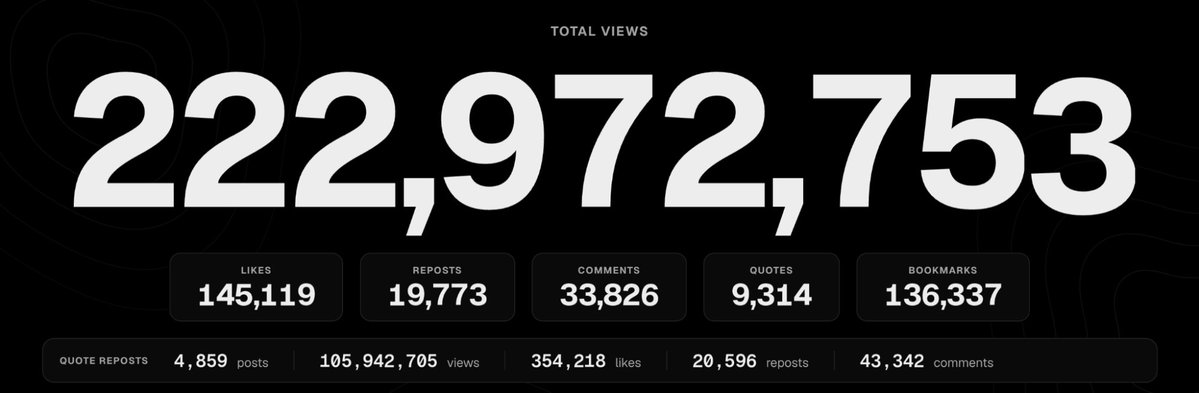
We’ve helped our clients book 2,000+ demos
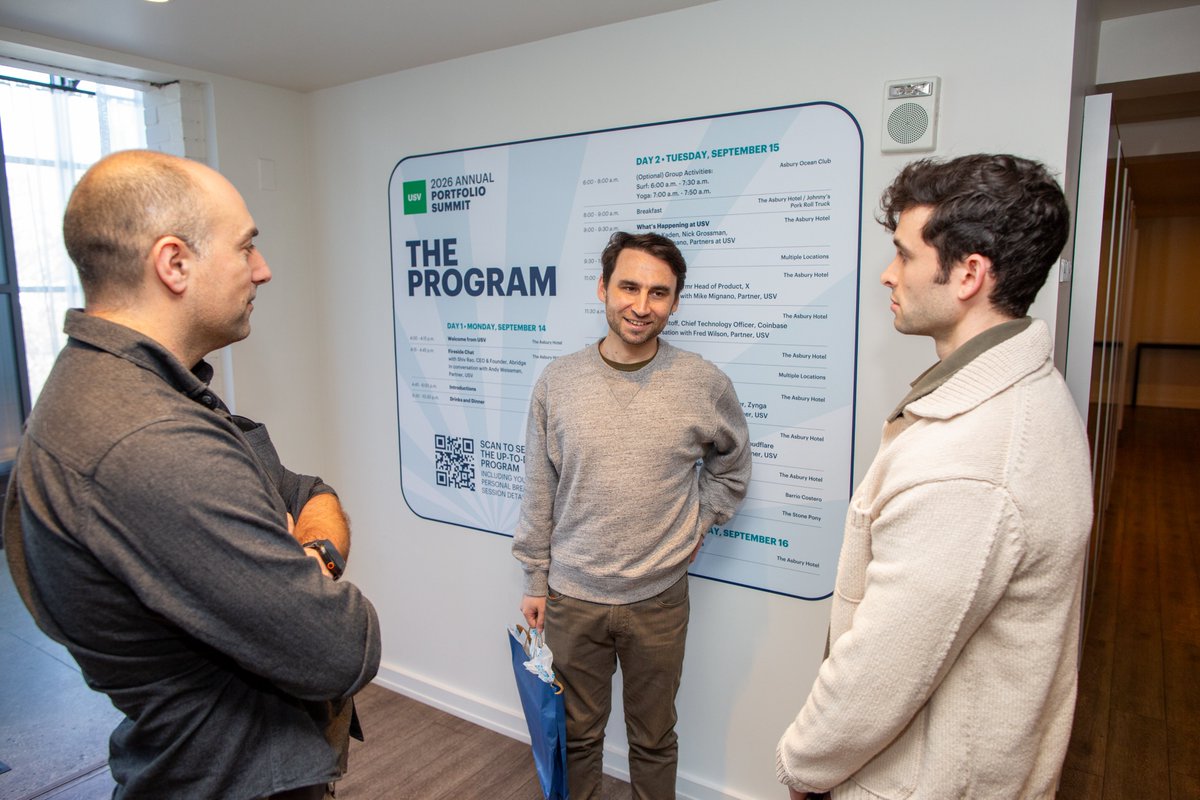
In September I sat on a panel at USV's annual event next to Nikita Bier, talking about exactly this.
I might not know how to build a rocket or how to cure cancer
But if there’s one thing I know
It’s how to engineer virality.
In this article I’m going to teach you exactly that
I'm going to teach you how to create systems that will make you go viral
So viral you don’t know what to do with it
So viral your servers start crushing
So viral your next 7 generations don’t have to work
Bookmark this article and my promise to you is that this will be the most valuable thing you’ll read this week
HOW X DECIDES WHO SEES YOUR LAUNCH
X has a problem.
350 million posts go up every day on X but each person scrolling can only see a few hundred.
So X has to find the posts you'd like most, then rank them.
Think of a recruiter with a million applicants.
She can't interview everyone, so she makes a shortlist. Then she ranks the shortlist.
She finds past candidates with potential and looks for new candidates who has experience in the field.
X follows the same analogy
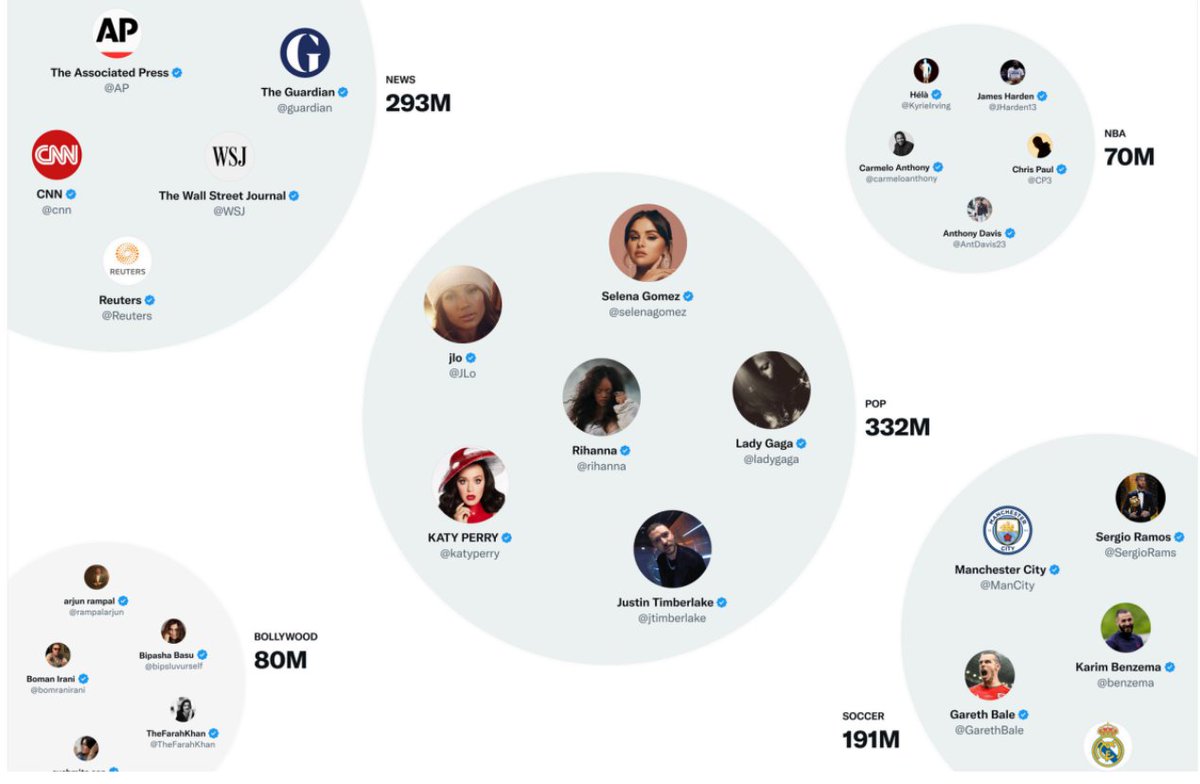
X pulls candidates from three places:
> Thunder finds recent posts from accounts you follow.
> Phoenix retrieval turns your history into a picture of your interests, then finds posts that match it.
> SimClusters groups accounts by who engages with what, then finds posts your kind of people like.
Round 1: get sourced
The first posts are pulled from your follower/following circle
That's why a founder with 100k followers is more likely to get 5M views on his launch.
Sourcing is also the round you control most, because you decide who sees the post first
Round 2: get ranked
Phoenix predicts what each viewer will do with your post, then adds it up. These are the current weights
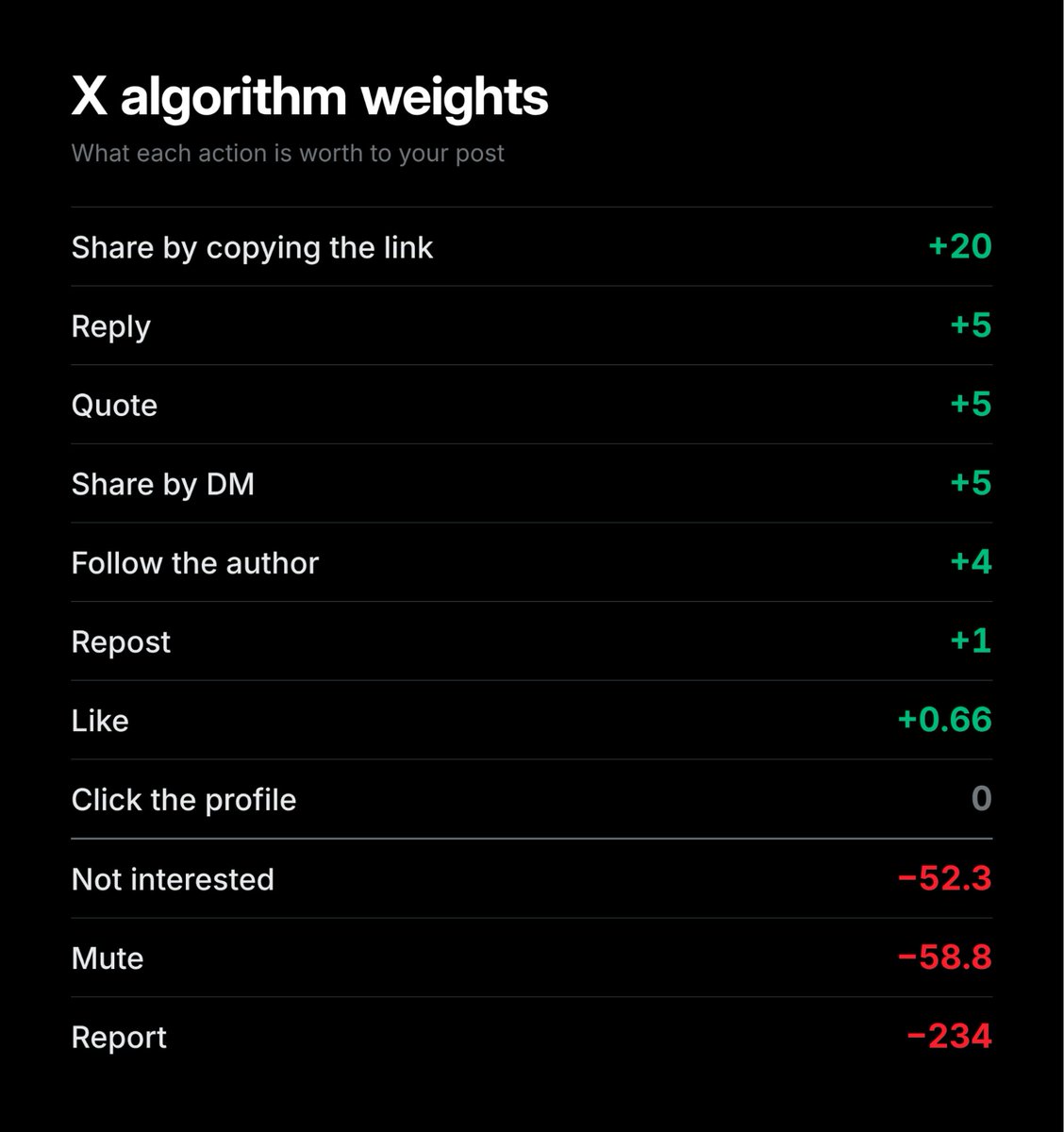
But don’t obsess over these numbers
X says: weights multiply the odds that one viewer takes an action, and rare actions get bigger weights.
Here's what it means for your launch:
The main post has to stand alone.
You cannot distribute attention across 10 different posts
X has to keep one post per conversation in the feed.
So if you spread your launch across 5 tweets, 4 of them will flop and your non followers will never get them recommended.
X is building one feed for one person.
You need to win that person, then repeat it a million times.
THE "WHY DO I CARE" FILTER
I will explain something below but the BEST way to actually understand what i’m saying is to get on any subway and watch people scroll.

Get in a subway and observe people on their phone
Try to figure why they decide to stop scrolling on a post and watch it
What gets them to care?
And they decide in under a second. That's the beauty of it
Everything on X has to get through that filter.
We call it the "why do I care" filter
And this is perhaps THE MOST important filter for any launch
On X you're fighting for a stranger’s attention, someone who owes you nothing.
Our mind turns off and immediately defaults to scrolling when it sees some words/phrases
These are things you should NOT do:
-
"We're excited to announce"
-
A logo animation
-
A niche category launch
-
Twelve seconds of a founder talking before anything happens
Want to get someone’s attention, do this instead:
-
A $20M raise(because the number says this matters)
-
A fight someone already has an opinion on (topics like datacenters, OpenAI)
-
A result so big it sounds fake.
Now look at what people comment on launches.
Almost nobody asks about your features.
They say "congrats, that's huge" about the raise, or they argue about what your launch means.
So before you write a word of copy, you need to know what people will argue about.
Rule: the viewer owes you nothing. Give them a reason to care in the first line, or they never meet your product.
Here’s how we do it at shown media
BEFORE LAUNCH, STEP 1: PLANT THE NARRATIVE
Here's a product for you to make viral.
Software that handles intake, notes and follow ups for hospitals.
We launched it on October 27 for a company called Concurrence.
It did 1.5M views in its first day and hit trending.
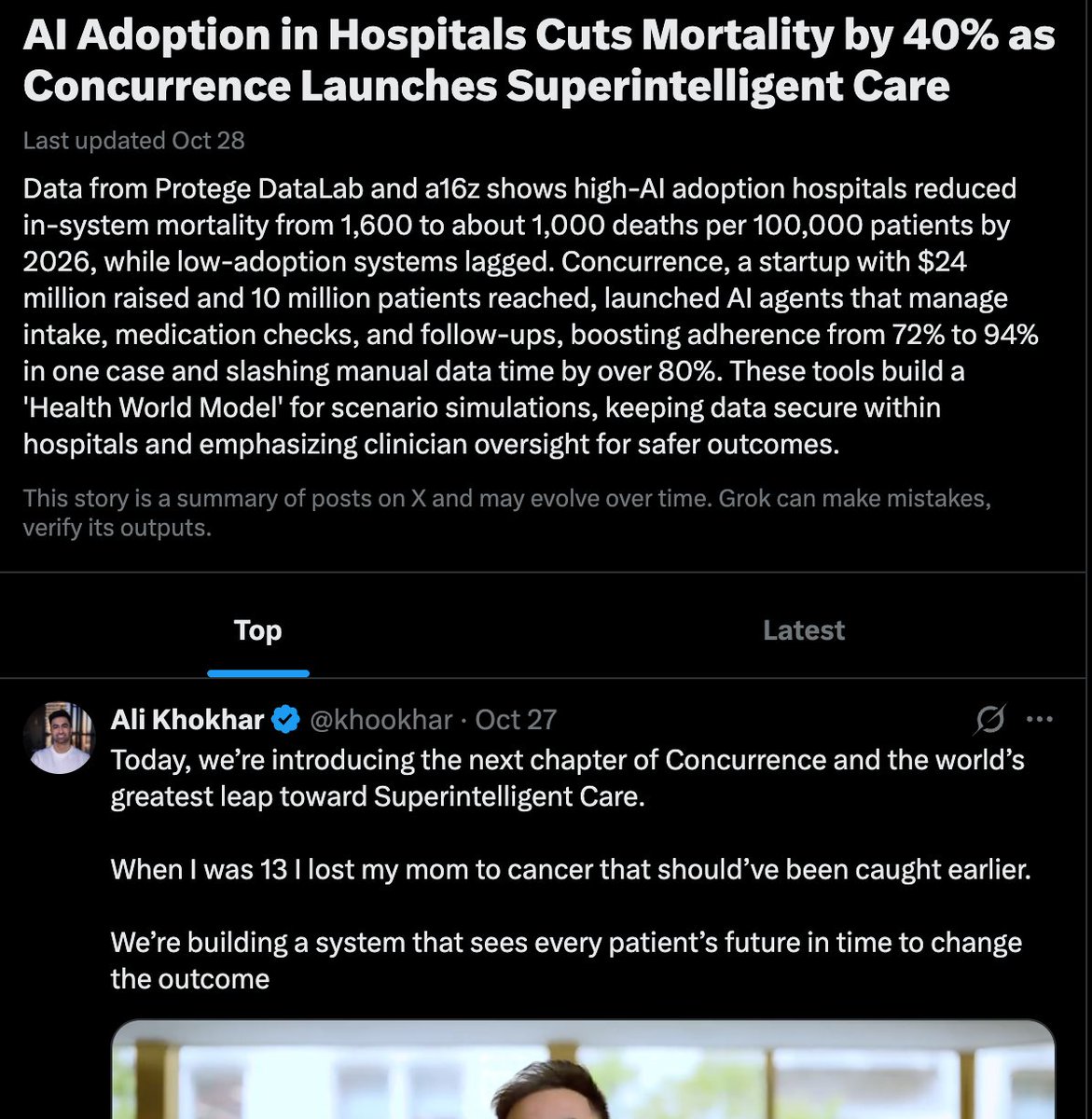
How did we do it? The narrative.
This was an early option for the launch post:
"Today we're introducing Concurrence, the world's first step toward medical superintelligence. We've raised $24M to build it.
After seeing results across 10M+ patients, we're bringing it to every hospital in America."
True. Impressive. But any health AI company could post that.
Now look at the actual launch copy:
Look at who has a reason to reply:
-
Anyone a doctor has told "it's probably nothing"
-
Anyone who has lost someone to something caught too late
-
Doctors and nurses who know how much never makes it into the chart
-
The AI crowd arguing about what superintelligence is for
Bad founders start with the product roadmap and go looking for a way to announce it.
Good operators start with the conversation and find where their product belongs in it.
This is the source code of your launch, and you do it before anyone writes a script.
Before we write a line, we need six answers:
-
What does the market already love?
-
What does the market already hate?
-
Who is the enemy?
-
What is the highest-status outcome?
-
What exact words do customers use?
-
What is the most polarizing thing you can say that's true?
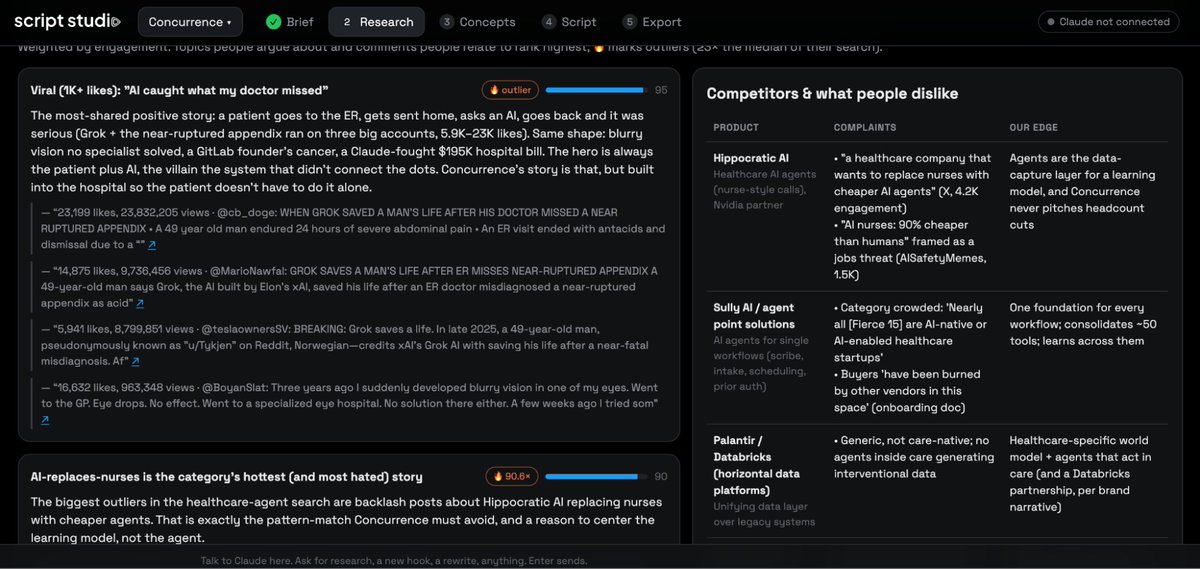
We built an internal tool called Script Studio. It runs inside Claude Code, and it magically finds the answers to this for us:
-
It reads every call and doc the brand gave us.
-
It searches X and scores every post against its own search's median, so we study what beat expectations instead of what's average.
-
It pulls Reddit threads, reviews and competitors, and saves each one as a receipt.
-
It builds a page of objections, with sources, so the script can answer the doubts people already have.
-
It writes five hooks from different angles and tests them against our library of winning launches.
Rule: your claim has to be bigger than your product. Attach it to something people already feel.
Bad founders start with the product roadmap and go looking for a way to announce it.
Good operators start with the conversation and find where their product belongs in it.
This is the source code of your launch, and you do it before anyone writes a script.
Before we write a line, we need six answers:
-
What does the market already love?
-
What does the market already hate?
-
Who is the enemy?
-
What is the highest-status outcome?
-
What exact words do customers use?
-
What is the most polarizing thing you can say that's true?
We built an internal tool called Script Studio. It runs inside Claude Code, and it magically finds the answers to this for us:
-
It reads every call and doc the brand gave us.
-
It searches X and scores every post against its own search's median, so we study what beat expectations instead of what's average.
-
It pulls Reddit threads, reviews and competitors, and saves each one as a receipt.
-
It builds a page of objections, with sources, so the script can answer the doubts people already have.
-
It writes five hooks from different angles and tests them against our library of winning launches.
We pick the direction and the script studio starts digging stuff for us.
Here's how to think about who you're writing for:
Imagine a magician doing a trick nobody has ever done.
My mom says "whoa, cool."
The magician sitting next to her loses his mind, because he knows it's never been done.
Your launch works the same way.
Write something my mom finds interesting, and the expert finds it ten times more interesting.
It doesn't work in reverse. Write for researchers only and my mom scrolls, and you lose 10 million views.
‼️ IF YOU WANT ACCESS TO SCRIPT STUDIO STEP BY STEP JUST COMMENT BELOW AND I’LL DM IT TO YOU
BEFORE LAUNCH, STEP 2: PASS THE HUMAN TEST
A narrative gets someone to stop.
The demo decides whether they believe you.
Every launch has to make the viewer think "oh shit, this is real"?
How do you make this happen?
Push the product to its extreme, and make the proof real.
Look at the latest Tesla Roadster launch for example
The Roadster literally drives up a curved ramp and hangs upside down.
It launches off the ramp, flips in the air and lands on its wheels.
Then it jumps over a whole row of Teslas
That's MrBeast logic.
Jumping one car is interesting. Jumping the entire fleet is something you share with 10 friends
And they did it live, in front of a crowd, on a livestream.
If they hadn't, you'd assume it was CGI.
It still broke people's brains.
You don't need rockets to do this. You need to answer two questions.
-
What's the most extreme thing your product can do?
-
How do you make people believe it happened?.
Then show those exact moments in the video.
BEFORE LAUNCH, STEP 3: FOLLOWERS VS CONNECTIONS
A follower is someone who can see you.
A connection is someone with an audience who will answer your text.
Your investor. Your first customer. Your old boss.
Remember round 1. Your followers feed Thunder for your account, and that's where it stops.
When a connection quotes tweets your launch, it's a new post from them, and it goes to their followers too.
Before the launch, you should ask all your connections to quote tweet it.
The biggest realization I've had about this came from JD Ross, the co-founder of Opendoor.
We ran his launch for WithCoverage, and it booked 600 demos.
Afterward he told me something I think about constantly.
He could have asked someone powerful for an intro. That costs a favor and gets you one meeting.
Asking that same person to support his launch costs the exact same favor, and he got 1000x the leverage.
There is no higher-leverage ask you can make of the people you know.
-
Export everything. Pull the followers of anyone on your team with an account.
-
Add the people no export shows. Investors, advisors, customers, beta testers, portfolio founders.
-
Rank by reach into your customer
-
Tier it. Your top 25 or so get a message from the founder personally,
Bad message: "Hey, we're launching Tuesday, would love a retweet!"
Good message: "Hey, here's what we've been working on. Would you quote this? Here's an example of a great one from an investor on a similar launch."
This is just the surface area
There are about 100 small details that go into a successful launch
But with these top 3 steps you’re doing better than 99% of the market
If you want to chat more about launches DM me or book a call here
沿着这个主题继续读
从一篇文章,找到相关的教程、经验和阅读路径。