NIH researchers uncover potential therapeutic target for atherosclerotic disease
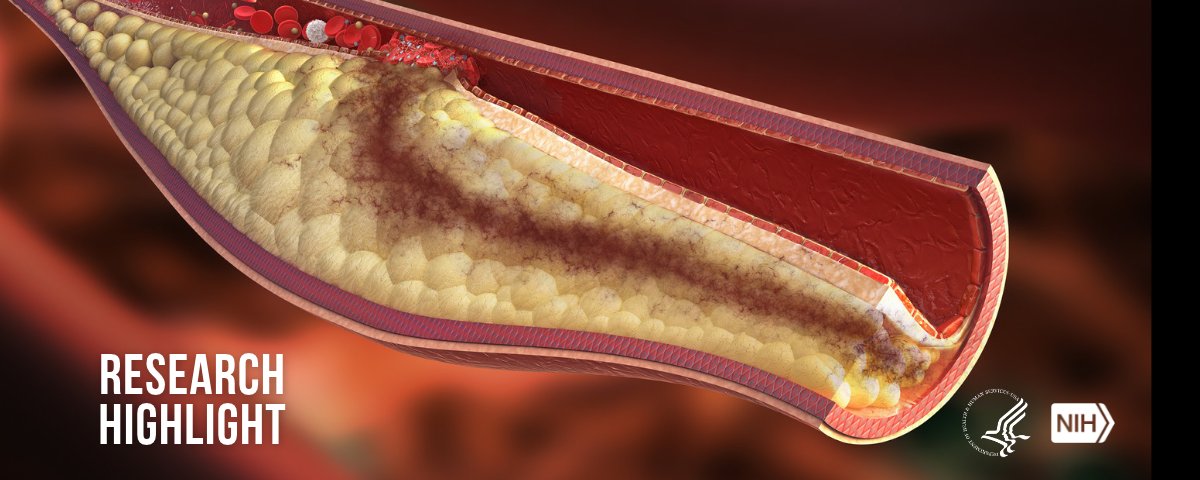
A study led by National Institutes of Health (NIH) researchers, in collaboration with scientists at Calico Life Sciences, has revealed a previously unknown natural defense mechanism the body may employ to prevent the buildup of arterial plaques. This process could represent a new avenue by which scientists could develop therapies for atherosclerotic cardiovascular disease (ASCVD).
Standard treatments currently aim to combat elevated levels of fat in the bloodstream, a condition called hyperlipidemia which is a crucial risk factor for ASCVD. While this approach can improve conditions, it has not totally neutralized the threat of heart disease, thus it remains a leading cause of human mortality. Seeking a roadmap that would chart a separate course, the authors explored the role that the immune system may play.
As previous genomic analyses have associated mutations in the immune-regulating protein GIMAP6 with vascular inflammation, the researchers examined its loss in mouse models. They discovered that GIMAP6 deficiency drove a litany of severe cardiovascular complications that often led to early death even under normal, low-lipid conditions.
Closer inspection unveiled two ways GIMAP6 helps protect blood vessels. First, it helped preserve the protective inner lining of blood vessels, maintaining a barrier against vascular injury. It also helped break down and purge fat molecules from within immune cells in the vessel walls. By preventing the cells from being overrun by lipids, this process blocked the formation of toxic foam cells, which make up the core of arterial plaques. Dampening the harmful pathway activated by GIMAP6 loss reduced inflammation and plaque buildup, hinting at therapeutic opportunities.
An examination of population-level genomic data indicated this protein may also have a protective role in humans. The authors linked rare inherited variants likely to damage GIMAP6, the most common of which was enriched in populations of African ancestry, to premature heart disease regardless of cholesterol levels.
In cases where lipid and cholesterol management fail to address ASCVD, this study begs the question of whether interventions that either protect or supercharge the natural GIMAP6-mediated lipid management process could find greater success. The authors intend to continue investigating this possibility and hope to eventually answer this question in clinical settings.
This research was supported by the Intramural Research Program at NIH’s National Institute of Allergy and Infectious Diseases (NIAID).
Reference: Chen Xiang et al. Immunoregulatory gene GIMAP6 suppresses lethal
atherosclerotic vasculopathy and ischemic heart failure. Cell. October 8, 2026. DOI: 10.1016/j.cell.2026.09.032