H3 多参考 MV 提示词实战教程:让图片锁定角色,让动作、镜头与音乐各司其职
文章目录
这份教程不是从零讲一套抽象的“万能提示词”,而是把实际制作 MV 时反复调试出来的经验整理成可复用的方法:先交付可运行的成品,再解释它为什么这样组织。最重要的原则是,参考素材要分工,提示词要按时间执行,镜头必须和动作一起发生。
一、先确定每种参考素材的权限
多参考生成最容易出现的问题,不一定是描述不够详细,而是不同参考素材的职责互相覆盖。开始写提示词前,先用一句话定义每个输入的权限。
-
Picture 1:角色与外观锚点。明确它负责哪些内容,例如脸、发型、身体比例、原有服装、配饰和渲染风格。若希望重建新场景,就要明确图片不负责背景、开场姿势或镜头构图。若希望保留原图完整画面,则应改用“完整视觉权威”的设定,不要同时要求重建环境。
-
Audio 1:音乐与时间权威。它负责真实节拍、歌词和音频结束点。每段提示词都使用自己的局部时间,从 00:00 开始,并在指定时长结束。
-
Pose reference / Image 2:姿势库。如果第二张图只用来提供姿势,就明确只迁移姿态与手势,不迁移它的人物身份、服装、背景或摄影风格。
这里有一个关键点:“图片锁定角色”与“图片锁定整个画面”是两种不同模式。不要在同一段提示词里既要求完整保留图片环境,又要求把环境重新搭建。先选定模式,再写动作。
二、把每一段做成独立、可复制的 H3 任务
分段不是把一条长提示词机械切成几块。每一段都应具备独立运行所需的信息:
-
summary:用一两句话说明这一段的视觉目标。
-
subject_definitions:明确每个角色与参考图中哪一个人对应。
-
integrated_multimodal_description:规定参考素材权限、音频权威和本段时长。
-
时间轴:按时间窗口描述具体动作、镜头位置和运动路径。
-
overall_soundscape 与 non_diegetic_music:明确只使用指定音频,避免模型自行补充对白、音乐或音效。
每段都重新建立角色映射与局部时钟,不依赖模型“记得上一段”。分组只是人工检查与归档的方式,不代表必须把两段合成一个任务,也不意味着上一段结尾必须与下一段开头严格接姿势。
三、时间轴要写成“动作与镜头并行”
模糊的写法是:“角色跳舞,镜头围绕人物运动。”它没有说明镜头何时开始、从哪里移动、为了展示什么而移动。
更有效的写法,是在每个时间窗里同时安排三件事:
-
身体动作:起始重心、脚步、转向、手臂路线、动作重拍与收势。
-
摄影机动作:摄影机相对人物的位置、距离、移动方向、跟随对象,以及最终落在哪种构图。
-
音乐锚点:动作在哪个节拍或歌词窗口展开、强调或结束。
例如,不只写“人物转身”,而是写清楚人物通过一步重心转移进入转身,手臂沿弧线展开;摄影机同步横移并跟随转向,在动作落点时形成清楚的三分之二身构图。这样镜头不是动作结束后才补上的装饰,而是舞蹈编排的一部分。
四、镜头要有动机,不要只堆摄影术语
镜头多不等于镜头好。连续绕拍、反复推近、无理由抖动,即使词汇很丰富,也容易让画面变得重复。每次运镜都应该回答一个问题:这一移动是为了揭示什么、跟随什么,或强调哪个动作?
常用的镜头动机包括:
-
跟随位移:人物横向移动,摄影机平行跟拍。
-
强调手势:镜头短暂靠近手部,再拉焦回人物表情。
-
配合转身:摄影机沿人物转向做短弧线移动,而不是独立绕圈。
-
展示空间:从人物近景后退或升高,让环境在动作发生时逐步进入画面。
-
建立关系:双人交错、牵手或交换站位时,摄影机沿两人的实际路径移动,维持两人的空间关系。
还要控制景别变化。近景可以表达表情与手势,中景呈现上半身动作,中远景则让脚步和完整舞蹈路线可读。不要长时间只拍脸,也不要为了显示全身而把人物放得过远、让关键表情失去辨识度。
五、动作链比孤立姿势更可靠
舞蹈动作应当是一条连续的身体链,而不是一串互不相干的姿势。可以用下面的顺序检查每个主要动作:
准备 → 发起 → 展开 → 重拍 → 回收 → 过渡。
身体机制则从脚下开始:脚步与支撑腿建立重心,骨盆与躯干跟进,肩膀带动手臂,最后由手腕与指尖完成动作。这样能够减少漂浮手势、突然变形和没有重心的旋转。
双人舞还要额外检查:两人的路线是否会碰撞、交错时是否保留足够距离、牵手点是否明确、转身之后人物身份是否仍容易辨认。同步不一定意味着两人做完全相同的动作;可以用一人发起、另一人回应的方式,制造更清楚的角色差异。
六、可爱宅舞与双人 Hero 收尾,要采用不同的动作设计
可爱宅舞的重点是轻快、清晰、节奏准确。脚步可以采用交替 heel-toe、小幅侧步、膝部内外弹动;上半身搭配肩部弹跳、手腕旋转、猫爪手势、脸颊框手、V 字手势或手指爱心。每个手势都应当由脚步和重心变化自然带出,避免只剩手在空中摆动。
双人终章则需要更大的动作结构:先建立节奏与站位,再通过交错换位、伙伴回应、短暂牵手旋转、同步展开逐渐提升能量,最后以两人互补但轮廓清楚的 Hero 姿势完成收束。终章的重点不是“动作越多越好”,而是让动作强度、构图规模与音乐高潮同步增长。
七、如何控制剪辑节奏而不依赖特效
节奏感可以由动作与构图本身建立,不必每逢重拍就加入黑屏、闪白、频闪或夸张残影。可以通过以下方式制造变化:
-
在音乐重拍上切换到一个清晰的新姿势;
-
通过手部、脸部和中远景之间的景别变化形成节奏;
-
用前景自然经过镜头制造视差;
-
让摄影机横移、升降或跟随人物转身,形成有动机的视觉变化;
-
在高潮前稍微减少切换,让最后的动作更有分量。
如果目标是连续的一镜到底,就不要同时要求大量硬切。若目标是快节奏蒙太奇,则应让每个镜头承担明确的信息,并避免在很短的过渡间隙里塞入没有意义的微镜头。
八、失败排查:一次只修一个冲突
反复调教时,最有效的办法不是每次把整段提示词全部推翻,而是先判断问题属于哪一层:
-
角色认错:把身份锚点写得更具体,例如指定图中棕发人物,或明确“戴白色兜帽的角色”为主要识别标志。不要只依赖容易变化的次要特征。
-
服装或背景被重绘:检查是否在文字里重新描述了图片已经提供的细节;也要检查是否同时要求“保留原画面”和“重建场景”。
-
姿势变形:减少不必要的大幅动作,补充支撑脚、重心、转身路线和动作回收。
-
镜头无效或重复:为每次移动补上起点、路径、跟随对象和构图落点。
-
音乐卡点不准:使用真实音频时间与明确的局部时间窗口,不凭感觉虚构节拍。
-
画面节奏过碎:合并短暂过渡,确保每个镜头有足够时间读懂动作。
一次只改动最可能导致失败的部分,并保留已经基本可用的结构。这样才容易判断修改是否真正有效,也更方便积累可复用的提示词模块。
九、生成前的检查清单
-
每个角色是否都明确映射到正确的参考人物?
-
图片、姿势参考与音频的权限是否互相冲突?
-
每段是否有独立的时间轴,并从 00:00 起算?
-
动作、运镜和音乐重拍是否在同一时间窗口内发生?
-
每个镜头是否有清楚的摄影机位置、路径与目的?
-
双人交错、牵手、旋转时,身体关系是否合理?
-
是否避免重复描述参考图中已经确定的外观?
-
是否只添加真正需要的音效,且没有覆盖原始音乐?
-
最后一个动作是否在音频结束前完成,并留有可读的收束?
结语
高质量的 H3 MV 提示词,不是把形容词堆得更长,而是把权限、动作、镜头和时间安排得更准确。先让参考素材各司其职,再把舞蹈拆成可执行的动作链,让摄影机实时回应动作,最后用真实音频控制节奏。
实战里最值得保留的经验是:先修复冲突,再增加细节;先让动作成立,再让镜头变复杂;先保证角色与时间正确,再追求风格表现。一段提示词只有在能够稳定复用、方便单独测试,并且实际生成结果能验证它的设计时,才真正成为可复用的制作方法。
ふたりの Summer days — MiniMax H3 Prompt Pack (13 Segments)
生成方式与自检原则
本合并版共 13 段:SEG 01–10 保留原文件1;SEG 11–13 使用文件2提供的三个提示词块。每个代码块仍是独立任务。
-
一段音频对应一个独立 H3 任务。每个代码块都是完整提示词;不要把两段音频拼进同一任务。分组仅用于人工检查和归档,不要求相邻段落连续运镜,也不要求上一段结尾与下一段开头接姿势。
-
输入仅使用 Picture 1 与当前分段的 Audio 1。每段都重新建立角色锚定与本段局部时钟。不要引用其他视频、图片或未提供的参考素材。
-
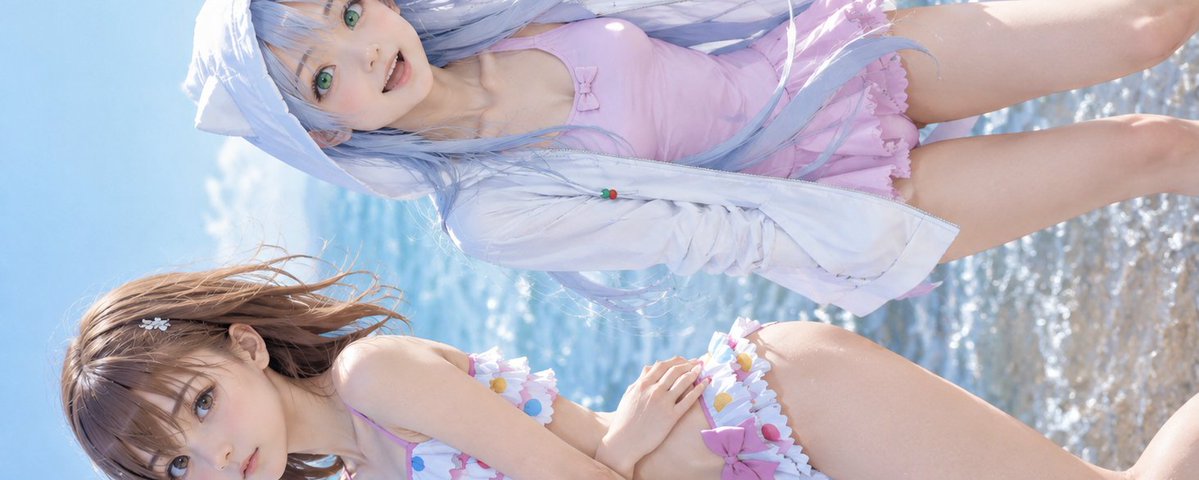
角色锚点固定:<Subject 1> = 御坂美琴,图1中的棕色头发人物;<Subject 2> = 茵蒂克丝,图1中的银色头发人物。每段明确映射,不交换身份,不融合面孔。
-
Picture 1 只负责人物:身份、脸、发型与发色、身体比例、图1已有的服装/配饰,以及图1的渲染媒介。Picture 1 不负责背景、开场姿势、构图、镜头或光线;场景按每段描述重建。不要沿用参考 MV 的五人配置、成员外貌或服装。
-
Audio 1 是唯一时间与音乐权威。每段从本段 00:00 起算,严格按本段时长结束;歌词窗口均为 JSON 的 local_start / local_end。短间隙只作切点,不额外塞入 0.1 秒独立镜头。动作链和运镜必须在同一时间窗并行发生,不要先做完动作再补镜头。
-
风格目标:复刻参考 MV 的夏日偶像短镜头蒙太奇、亮色海岸、室内派对、泳池、夕阳、烟花、局部细节、跟拍、横移、俯拍、反打和卡点剪辑;并非复刻参考 MV 的人物与服装。用真实可执行的摄影机位置、距离和移动路径描述机位,不用抽象角度标签或数字度数。
-
不要要求模型生成标题、歌词字幕或可读文字。如需准确片名、漫画框、贴纸或图形字样,后期合成更可靠。除图1两位角色外不新增可辨认人物;背景保持干净,不制造人物倒影分身。
**提示词
Group 01 — SEG 01 + SEG 02
SEG 01 — 12.45s | 海岸开场、行李箱 POV、双人自拍
summary: A 12.45-second 16:9 summer idol-MV montage: tactile suitcase detail, turquoise coast, a suitcase POV reveal, then lively two-person selfie shots. Bright, punchy Japanese summer-pop energy with frequent motivated hard cuts.
subject_definitions: <Subject 1> is Misaka Mikoto, identified by the brown hair in <Picture 1>. <Subject 2> is Index, identified by the silver hair in <Picture 1>. Keep these identities mapped permanently. Do not swap their hair colors or blend their faces.
integrated_multimodal_description: <Picture 1> is the sole character reference. Preserve both characters' faces, hair, proportions, original rendering style, and the outfits and accessories already shown in Picture 1. It does not lock the background, initial pose, composition, or lighting. Rebuild the locations below. Only <Subject 1> and <Subject 2> appear as characters. <Audio 1> is the complete soundtrack and exact timing authority for this 12.45-second segment. Local time starts at 00:00. Keep its music and vocals unchanged; add no dialogue, singing, or sound track. Use the local lyric windows and the phrase accents at 00:00.302, 00:03.321, 00:06.340, 00:09.359, and 00:12.377 as visual accent anchors.
00:00-00:00.65 — Extreme close-up of a metal suitcase latch in direct summer sunlight; the coast appears only as a moving glint on the polished edge. Camera stays a few centimeters from the latch and slides sideways across its surface. 00:00.65-00:01.14 — Hard cut to a stabilized high coastal view moving forward above turquoise water toward a narrow beach; the horizon and shoreline travel smoothly beneath the camera. 00:01.14-00:01.82 — On the vocal pickup, cut to a camera placed inside the suitcase near its base, looking upward. Two hands enter from opposite sides and start lifting the lid; do not reveal a third person. 00:01.92-00:03.69 — The lid opens fully. <Subject 1> and <Subject 2> lean into view from above and look directly down toward the suitcase lens; both are clearly distinguishable. The camera rises out of the case as they pull back to make room. 00:03.69-00:06.10 — Continue the rising move into a bright holiday room with a sunlit brick wall and an open window toward the sea. The camera clears the suitcase rim and settles at chest height; no teleporting. 00:06.10-00:08.30 — Hard cut to a close selfie-style two-shot. The camera is held just below their eye line at arm's length; both lean toward the lens, then straighten together on the phrase accent. 00:08.30-00:10.30 — Two quick motivated reaction cuts: first <Subject 1> catches the lens with a lively sideways glance, then <Subject 2> answers with a bright smile; cut back to both waving once in sync. 00:10.30-00:12.45 — A fast, sun-yellow splash transition crosses the foreground and clears to a close two-shot by the open window, with the blue coast behind them. Finish on a living image, not an accidental freeze.
Camera choreography: latch-level slide → high coastal glide → suitcase interior upshot → physically rising POV → arm's-length selfie → two reaction close-ups → foreground splash wipe. Every camera move is motivated by the action in that same interval.
overall_soundscape: Use only the supplied <Audio 1>. Preserve the recorded music and vocals exactly; no added ambience, dialogue, or sound effects.
non_diegetic_music: <Audio 1> is the only music source. Do not restart, remix, extend, or replace it.
SEG 02 — 12.77s | 波打ち際、抛球、嘴硬反应
summary: A 12.77-second playful summer-beach MV segment: running beside the water, an unserious truce, a single frog-faced beach-ball toss, and a teasing reaction close-up.
subject_definitions: <Subject 1> is Misaka Mikoto, the brown-haired character in <Picture 1>. <Subject 2> is Index, the silver-haired character in <Picture 1>. Maintain this mapping throughout; neither character becomes the other.
integrated_multimodal_description: <Picture 1> controls the pair's identity, facial features, hair, proportions, render style, and their existing outfits/accessories only. Do not copy its background or pose. Use a bright shoreline location. Only these two characters appear. <Audio 1> is the exact 12.77-second soundtrack and local timing authority. Reset the timeline to 00:00; keep the original audio unchanged. Main lyric windows: 00:00.33-00:03.65, 00:03.75-00:06.33, 00:06.43-00:09.55, and 00:09.65-00:12.77. Phrase accents: 00:02.946, 00:05.965, 00:08.984, 00:12.003.
00:00-00:00.33 — Start with a tight, low detail of a small shore wave glinting in sunlight. The camera tracks parallel to the foam and pulls focus toward the girls. 00:00.33-00:03.65 — Follow <Subject 1> and <Subject 2> running side by side at the wet-sand boundary. A compact stabilized camera tracks backward a few steps in front of them, then moves to their side without losing their faces. On the phrase accent, both brake gently and let the last step resolve into a playful turn toward each other. 00:03.75-00:06.33 — They face one another as if about to compete, each starts to raise a hand, then both deliberately relax their shoulders and lower their hands, agreeing to take a day off. Use one over-shoulder view from behind <Subject 1>, then a reverse over <Subject 2>'s shoulder; each cut occurs while their gesture is still moving. 00:06.43-00:09.55 — One green frog-faced beach ball only. They coordinate one upward toss; the camera tilts up from their hands to follow the ball's full arc, then cuts to a low camera near the sand as the ball drops back between them. They catch it together on the accented beat without duplicating it. 00:09.65-00:12.77 — Close on <Subject 2> trying to look unimpressed, lips pressed for a moment and eyes glancing aside. <Subject 1> leans into the edge of frame and notices the almost-smile. <Subject 2> turns away for one small step, then glances back; the camera tracks sideways with the turn and lands on both smiling at the final phrase accent.
Camera choreography: wave-level lateral move → backward and side tracking → over-shoulder reverse → upward ball-follow tilt → low catch angle → teasing reaction close-up. Keep the gestures readable and continuous, with no aimless walking.
overall_soundscape: <Audio 1> remains the only sound. No new dialogue, Foley, or extra vocal layer.
non_diegetic_music: Use the supplied <Audio 1> without alteration or restart.
Group 02 — SEG 03 + SEG 04
SEG 03 — 12.92s | 刨冰与三明治、脚印被浪带走
summary: A 12.92-second summer memory montage: shared beach snacks, a playful appetite gag, footprints erased by a wave, and a small promise to play together again.
subject_definitions: <Subject 1> is Misaka Mikoto, the brown-haired character in <Picture 1>. <Subject 2> is Index, the silver-haired character in <Picture 1>. Do not switch these identities or merge their faces.
integrated_multimodal_description: Use <Picture 1> only for the two characters' faces, hair, proportions, render style, and existing clothes/accessories. Rebuild the beach picnic and shoreline; do not copy Picture 1's background or pose. Exactly two characters. <Audio 1> is the exact 12.92-second soundtrack and local clock. Main lyric windows: 00:00.10-00:02.86, 00:02.96-00:05.72, 00:05.82-00:08.94, and 00:09.04-00:12.92. Phrase accents: 00:02.252, 00:05.271, 00:08.290, 00:11.308. Let each action complete inside its own lyric window; do not add tiny shots in the short transition gaps.
00:00-00:00.10 — Macro detail of shaved-ice crystals sparkling in the sun; the camera slides a few centimeters along the rim of a cup. 00:00.10-00:02.86 — Cut to a beach picnic table. <Subject 1> lifts one spoonful of shaved ice while <Subject 2> presents one sandwich toward the camera. A short push-in registers both foods, then a clean reverse close-up catches their eager shared look. 00:02.96-00:05.72 — They glance at the nearly empty tray, exchange a quick conspiratorial look, and both spring up from the table with a clear weight transfer rather than wandering away. The camera slides past the table edge with them and finishes facing toward the shoreline. 00:05.82-00:08.94 — Low camera tracks alongside two parallel sets of footprints in wet sand. The girls' feet enter frame at a natural walking pace; a small wave rolls diagonally across both trails and visibly erases them. The camera stays low through the wash, then tilts up to reveal both watching the foam recede. 00:09.04-00:12.92 — In profile, <Subject 2> turns toward <Subject 1> with a hopeful expression. <Subject 1> pauses, gives a definite affirmative nod, and offers a hand; <Subject 2> takes it. A gentle push-in follows the hand connection up to their faces and ends on an easy shared smile.
Camera choreography: food macro → two-person picnic close-up → lateral exit move → ground-hugging footprint track and tilt-up → profile two-shot and motivated push-in. Keep the wave physically coherent and both characters clearly distinguishable.
overall_soundscape: Use only <Audio 1>; preserve its vocals and music as supplied. Add no dialogue or independent effects.
non_diegetic_music: <Audio 1> is the only music bed and must not be restarted or remixed.
SEG 04 — 10.83s | 室内派对横移、穿过门廊奔向海风
summary: A 10.83-second upbeat summer-MV passage inspired by the reference's indoor party tracking shot: close festive detail, a connected two-person dance phrase, then a tracking move through an open doorway toward the coast.
subject_definitions: <Subject 1> is Misaka Mikoto, identified by brown hair in <Picture 1>. <Subject 2> is Index, identified by silver hair in <Picture 1>. Their identity mapping remains fixed.
integrated_multimodal_description: <Picture 1> is authoritative for identity, face, hair, proportions, art/rendering style, and current outfits/accessories, not for location, lighting, pose, or composition. Do not reuse any source-MV performers or outfits. Two characters only. <Audio 1> is the exact 10.83-second segment soundtrack; use a local clock beginning at 00:00. Lyric windows are 00:00.10-00:03.41 and 00:04.82-00:07.91. Phrase accents: 00:01.407, 00:04.426, 00:07.445, 00:10.464. Preserve audio as supplied.
00:00-00:00.45 — Tight detail of a bright paper garland swaying in an indoor breeze. The camera slides past it and racks focus to the girls across the room. 00:00.45-00:03.41 — Sideways tracking shot through a sunlit party room. The girls execute one connected phrase: step apart, transfer weight, sweep one arm across the torso, pivot toward one another, then open both arms on the phrase accent. The camera moves parallel to their travel at chest height so the arm sweep and their facial reactions remain visible. 00:03.41-00:04.82 — Without cutting, the camera continues its lateral track past the pool table and festive props toward an open doorway. <Subject 2> points toward the bright outdoor deck; <Subject 1> turns with the gesture. Their two-step repositioning carries them naturally toward the exit. 00:04.82-00:07.91 — The camera follows through the doorway into sunlit blue air. They accelerate into a short, playful run of two or three steps, then pivot back toward the lens and complete a synchronized outward arm accent. Keep the doorframe passing the edge of frame as proof of continuous camera travel. 00:07.91-00:10.83 — Cut to an open coastal wide shot. The girls settle into a side-by-side stance, turn their faces toward the sea breeze, then glance at each other with a ready-to-go smile. A stabilized backward drift gives the coastline room to open behind them.
Camera choreography: garland macro and rack focus → motivated lateral tracking → continuous doorway follow → coastal wide and backward reveal. The dance phrase and tracking move happen simultaneously; no long static waiting or random zoom.
overall_soundscape: <Audio 1> only; no extra room noise, new dialogue, or added music.
non_diegetic_music: Use the provided <Audio 1> unchanged.
Group 03 — SEG 05 + SEG 06
SEG 05 — 12.87s | 夏日闪耀、双人节拍舞与海岸奔跑
summary: A 12.87-second bright summer chorus montage: sunlit water, a short synchronized dance phrase, a playful energy exchange, and a run along the coast.
subject_definitions: <Subject 1> = Misaka Mikoto, brown-haired in <Picture 1>. <Subject 2> = Index, silver-haired in <Picture 1>. Identity, hair mapping, and individual faces stay stable.
integrated_multimodal_description: Use <Picture 1> as the sole reference for the two characters' identity, face, hair, proportions, render style, and clothing/accessories already present in that image. Do not copy its background or pose. No other characters. <Audio 1> is the exact 12.87-second soundtrack and segment clock. Main lyric windows: 00:00.07-00:02.94, 00:03.35-00:06.45, 00:06.55-00:09.27, and 00:09.37-00:12.87. Phrase accents: 00:02.653, 00:05.672, 00:08.690, 00:11.709. Do not treat short lyric gaps as separate micro-shots.
00:00-00:00.07 — Extreme close-up of sunlight sparkling on rippling water. 00:00.07-00:02.94 — Camera glides backward at chest height as the girls enter a sunny beach-deck space. They perform a compact synchronized phrase: step to the side, transfer weight, sweep both forearms outward, rebound through the torso, then hit an open-arm accent together. Keep faces in view while the camera retreats. 00:03.35-00:06.45 — Cut to a close two-shot. <Subject 1> turns toward <Subject 2> on the phrase pickup; <Subject 2> answers with a bright shoulder-led sway. They cross-step past each other, turn back into parallel positions, and finish smiling toward the lens. The camera arcs laterally with their crossing paths without exchanging their screen identities. 00:06.55-00:09.27 — Close-up begins on <Subject 1>'s eyes and cheek, then reframes to include <Subject 2> entering beside her. Both make a quick chest-level hand accent, release into a small pivot, and let the movement resolve naturally; keep it a real choreographed action, not repetitive shaking. 00:09.37-00:12.87 — Tracking shot moves backward in front of them as they run side by side along the blue shoreline. They take several energetic steps, briefly sweep their arms back from the sea breeze, then slow together and look toward the horizon on the last phrase accent.
Camera choreography: water detail → backward dance follow → lateral arc through a crossing step → face-led reframing → forward-facing shoreline tracking. Keep movement lively but controlled, with no teleporting or long leg-only framing.
overall_soundscape: <Audio 1> remains the only music and vocal source. Do not add dialogue, ambience, or sound effects.
non_diegetic_music: Use the supplied <Audio 1> unchanged.
SEG 06 — 12.35s | 只属于两人的夏天、拥抱与出发
summary: A 12.35-second chorus continuation built around shared joy: a synchronized gesture phrase, a genuine friendly embrace, then an energetic launch toward the open coast.
subject_definitions: <Subject 1> is Misaka Mikoto, brown-haired in <Picture 1>. <Subject 2> is Index, silver-haired in <Picture 1>. Never exchange their identities or merge their faces.
integrated_multimodal_description: <Picture 1> locks only the two characters' identity, face, hair, proportions, rendering style, and existing outfit/accessory design. Location, lighting, camera, pose, and background may be reconstructed. Only these two characters appear. <Audio 1> is the exact 12.35-second segment soundtrack. Local time starts at 00:00; use local lyric windows 00:00.10-00:02.70, 00:02.80-00:05.68, 00:05.78-00:08.76, and 00:08.86-00:10.85. Phrase accents: 00:01.858, 00:04.877, 00:07.896, 00:10.915. Keep the supplied audio unchanged.
00:00-00:00.10 — Open on a close-up of two hands entering frame from opposite sides, fingers making a small matching beat accent. 00:00.10-00:02.70 — Reveal the pair at a bright pool deck. They perform a joined choreography phrase: step in, shift weight across the hips, sweep their arms away from center, turn outward, then snap their gaze back to each other on the accent. Camera tracks laterally with them at upper-body height. 00:02.80-00:05.68 — Front-facing medium two-shot. <Subject 1> and <Subject 2> make eye contact, step closer, and share a brief friendly hug; the embrace is a single natural action, with a small squeeze and release. Camera makes a controlled push-in as they meet, then eases back when they separate smiling. 00:05.78-00:08.76 — Cut to a detail of their joined hands, rack focus to their faces, then track alongside as they turn together toward the open coast. The camera follows the turn instead of circling aimlessly. 00:08.86-00:10.85 — They step forward together, accelerate into a few running steps, then land in an open-arm finish facing the sea. A backward tracking move widens the frame to reveal sky and water. Use the remaining audio tail to hold the moving composition without forced freeze. 00:10.85-00:12.35 — Instrumental tail: the camera glides a little farther back while the girls relax from the pose and exchange a happy side glance.
Camera choreography: hand detail → lateral dance follow → motivated push-in during embrace → rack-focus hand/face insert → backward coastal follow. Movement and camera changes share the same time windows.
overall_soundscape: Use <Audio 1> only. No new voices, dialogue, or added sound effects.
non_diegetic_music: Do not add, replace, or restart music; <Audio 1> is authoritative.
Group 04 — SEG 07 + SEG 08
SEG 07 — 11.29s | 夕阳将落、还不想回家
summary: An 11.29-second golden-hour beach passage that shifts from playful energy to a tender reluctance to leave, with the final image opening onto the darkening sea.
subject_definitions: <Subject 1> is Misaka Mikoto, the brown-haired character in <Picture 1>. <Subject 2> is Index, the silver-haired character in <Picture 1>. The two identity mappings remain fixed.
integrated_multimodal_description: Use <Picture 1> for identity, face, hair, proportions, render style, and existing outfits/accessories only. Do not reuse the picture's setting or opening pose. Only these two characters appear. <Audio 1> is the full 11.29-second segment soundtrack; local time resets to 00:00. The first lyric event starts at 00:02.33-00:05.47, followed by 00:05.57-00:08.55 and 00:08.65-00:11.29. Phrase accents: 00:01.584, 00:04.603, 00:07.621, 00:10.640. Preserve the provided music and vocals unchanged.
00:00-00:02.33 — Start on a close detail of sunset light trembling across the wet shoreline. The camera slides low beside the foam, then tilts up to reveal the girls walking toward the sunset in profile. 00:02.33-00:05.47 — On the first phrase, <Subject 1> points toward the sun near the horizon. The camera moves from behind their shoulders to a profile two-shot, revealing the sun in the direction of her gesture; <Subject 2> follows the pointing hand and smiles. 00:05.57-00:08.55 — <Subject 2> turns back toward the path as if reluctant to leave and lightly reaches toward <Subject 1>'s hand. <Subject 1> pauses, turns her upper body back, and answers with an encouraging expression. Side-tracking camera stays level with their torsos as they take one or two small steps together, not an aimless walk. 00:08.65-00:11.29 — The sky is now a little deeper blue while the remaining horizon stays warm. The girls face the sea shoulder to shoulder; the camera begins close to their joined hands, rises to their profiles, then pulls backward to reveal waves and the first evening sky. End on a wistful but happy shared look.
Camera choreography: low shoreline glide → motivated tilt and profile tracking → hand-reaching close-up within a side track → hand-to-face rise and backward coastal reveal. The shift toward evening is gradual and only occurs within this sunset scene.
overall_soundscape: <Audio 1> only. Do not add dialogue, environmental effects, or a new music layer.
non_diegetic_music: Use the existing <Audio 1> unchanged.
SEG 08 — 11.49s | 星光与烟花、夜空倒映海面
summary: An 11.49-second nightfall-to-fireworks segment: the first stars appear, the pair look up together, and a final wide reveal places them beneath fireworks reflected over the ocean.
subject_definitions: <Subject 1> = Misaka Mikoto, brown-haired in <Picture 1>. <Subject 2> = Index, silver-haired in <Picture 1>. Keep their appearance and identity mapping stable.
integrated_multimodal_description: <Picture 1> locks the two characters' identities, facial features, hair, proportions, existing outfits/accessories, and render style, but not the scene or pose. Create a clear blue-hour beach that transitions naturally into night. Only the two subjects appear as characters. <Audio 1> is the only soundtrack and timing authority for this 11.49-second segment. Local clock starts at 00:00. Lyric windows: 00:00.10-00:02.97 and 00:04.98-00:08.73. Phrase accents: 00:02.369, 00:05.388, 00:08.407, 00:11.426. Music remains unchanged.
00:00-00:00.10 — Extreme close-up of a tiny wave reflecting the first star-like point of light. 00:00.10-00:02.97 — Cut to a close two-shot from slightly behind their shoulders. Both notice the first stars; <Subject 2> points upward, and <Subject 1> follows the gesture. The camera rises beside their pointing arms, then tilts up until the darkening sky fills the frame. 00:02.97-00:04.98 — Instrumental passage: cut from the sky to both faces lit by a distant firework glow, then lower to the water where the first reflection trembles. The light source remains in the sky; no glowing objects appear in their hands. 00:04.98-00:08.73 — A broad firework blooms overhead. Start at the girls' profiles and tilt up with their gaze; cut back to their faces as the color reflects across their cheeks. <Subject 1> nudges <Subject 2> lightly with her shoulder, and they share a delighted look. 00:08.73-00:11.49 — The camera begins close to the waterline, tracking backward as the girls stand side by side above the foam. It rises in a controlled reveal to a wide rear view of their silhouettes beneath fireworks and a starry sky reflected in the sea. End on a living, gently moving composition.
Camera choreography: water detail → over-shoulder gaze → motivated sky tilt → face reaction → low-water tracking into a rising wide reveal. Maintain clear night visibility and motivated firework illumination.
overall_soundscape: Use <Audio 1> only; add no dialogue, fireworks sound effects, or alternate soundtrack.
non_diegetic_music: <Audio 1> remains the sole music source without any restart or remix.
Group 05 — SEG 09 + SEG 10
SEG 09 — 12.08s | 烟花照亮脸颊、即使今天结束
summary: A 12.08-second reflective beach montage: firework light on each face, a quiet walk beside the water, and a reassuring exchange as the day ends.
subject_definitions: <Subject 1> is Misaka Mikoto, the brown-haired subject in <Picture 1>. <Subject 2> is Index, the silver-haired subject in <Picture 1>. Do not swap identities or merge the two faces.
integrated_multimodal_description: Use <Picture 1> as the identity and appearance authority for both characters, including their existing clothing/accessories and original render style. Rebuild the beach background and evening lighting freely. Only two characters appear. <Audio 1> is this segment's exact soundtrack and local clock, total length 12.08 seconds. Main lyric windows: 00:00.61-00:04.14 and 00:06.65-00:10.40. Phrase accents: 00:02.955, 00:05.974, 00:08.992, 00:12.011. Preserve the original audio.
00:00-00:00.61 — Tight close-up of a firework reflection moving across a small wave; both girls remain softly out of focus beyond it. 00:00.61-00:04.14 — Rack focus to <Subject 1>'s cheek and eyes as the distant firework glow passes across her face, then cut to <Subject 2> reacting with a warm, open gaze. The camera shifts around them into a profile two-shot as they look up together; keep eyes visible and facial expressions subtle. 00:04.14-00:06.65 — Lateral tracking shot follows them walking side by side along the foam line. They take a few natural steps and occasionally glance toward each other; the water moves continuously beside them. 00:06.65-00:10.40 — The mood becomes gently wistful, not sad. A close-up catches <Subject 2> looking toward <Subject 1>; cut over <Subject 1>'s shoulder to the fading horizon, then return to a two-shot as <Subject 1> reassures her with a small hand squeeze and calm smile. The camera pushes in during the hand squeeze, then eases back. 00:10.40-00:12.08 — Low camera tracks the foam washing across their paired footprints, then tilts up to both girls framed against the remaining glow over the water. Keep their faces readable through the end.
Camera choreography: reflected-light detail → facial rack focus → profile two-shot → lateral walk follow → motivated over-shoulder reverse → ground-level wave-to-face tilt. Do not hold closed eyes or linger on legs.
overall_soundscape: <Audio 1> only, with no newly generated dialogue, surf effect, or soundtrack.
non_diegetic_music: Use the original <Audio 1> exactly as supplied.
SEG 10 — 12.08s | 记住景色、约定明年再来
summary: A 12.08-second warm friendship segment: the girls take in the coast, make a little-finger promise, and finish in an overhead beach-deck composition.
subject_definitions: <Subject 1> is Misaka Mikoto, brown-haired in <Picture 1>. <Subject 2> is Index, silver-haired in <Picture 1>. Their character identity and hair-color mapping remain fixed.
integrated_multimodal_description: <Picture 1> is the sole source for identity, face, hair, proportions, render style, and the outfits/accessories already visible. It does not lock the environment, pose, frame, or lighting. Show only these two characters. <Audio 1> is the exact 12.08-second segment and the local timing authority. Main lyric windows: 00:00.65-00:03.74 and 00:04.45-00:07.98. Phrase accents: 00:02.950, 00:05.969, 00:08.988, 00:12.007. No added dialogue or new audio.
00:00-00:00.65 — Begin with a close-up of sunlit beach grass bending in the sea breeze; camera slides a few centimeters past the grass and racks focus to the coast. 00:00.65-00:03.74 — Elevated wide shot reveals the blue deck, shoreline, breakwater, and distant town. The camera descends gradually toward a medium two-shot as <Subject 1> and <Subject 2> look across the view, then exchange a smile. 00:03.74-00:04.45 — Instrumental detail inserts within one short montage: water glitter, two paired footprints, then their hands settling beside one another. Each cut is clear; no extra people are shown. 00:04.45-00:07.98 — At eye level, <Subject 2> offers her little finger. <Subject 1> hooks her little finger around it; use a close hand insert long enough to read the gesture, then rack focus back to both sincere faces. The camera moves forward only as their hands meet. 00:07.98-00:09.20 — Hard cut to a true overhead view of a simple geometric blue deck. The girls arrange themselves into a balanced two-person composition, one standing while the other kneels, both opening their arms outward. No floor lettering or new text is generated. 00:09.20-00:12.08 — Three purposeful cuts: overhead formation, joined little fingers, then a wide side-by-side view toward the sea. The last camera move glides backward to open the composition, without freezing or requiring continuity into the next segment.
Camera choreography: coastal establishing descent → face two-shot → small detail montage → promise-hand insert with rack focus → true overhead → clean wide pullback. Keep the hand geometry natural and the overhead camera physically above the deck.
overall_soundscape: Only <Audio 1>; no added dialogue, beach effects, or extra music.
non_diegetic_music: Do not restart or alter <Audio 1>.
Group 06 — SEG 11 + SEG 12
SEG 11 — 15.00s | Dance MV continuation and pose montage
Create PART 2 of the same three-part, 15-second vertical 9:16 live-action dance MV, 24fps. Use ONLY Image 1 for the character's identity and appearance, Image 2 as the pose library, and Audio 1 as the soundtrack and beat reference.
CONTINUITY
This is the second movement of the same MV, not a new visual concept. Preserve the exact person, face, hairstyle, skin tone, body proportions, outfit, accessories, photographic style, environment and color relationships defined by Image 1. Image 2 remains a library of approved pose states only; do not copy its other visual information. Let the performance feel like a natural continuation of Part 1, with fresh camera choreography and varied framing.
PURPOSE
The first part introduced the character and established the energetic camera language. This section develops the dance-camera showcase briefly, then increases the speed and sophistication of the pose sequence. Keep the visual rhythm precise, dynamic and polished, with clear poses and purposeful composition changes.
FIRST FEW SECONDS — CONTINUE THE MOVING DANCE CAMERA
0.00–0.45s: Start on a clear pose that can follow Part 1's final state. Continue with a small lateral camera drift rather than restarting with an eye close-up or repeating the initial orbit.
0.45–1.35s: Swing the camera across the subject in a controlled handheld/gimbal move. Add a rhythmic side sway and a shallow diagonal dip while the subject shifts weight and moves through a dance transition supported by Image 2. Use a brief foreground pass from hair, sleeve or an existing environmental edge to create natural parallax.
1.35–2.25s: Track the subject in a short arc, with two brief beat-synchronized camera bumps and a quick tilt correction. The subject changes facing direction or arm line only in a way supported by the pose references. Keep the face expressive, the body balanced and the motion physically plausible.
2.25–3.10s: The camera briefly pushes in as the subject lands a readable pose, then smoothly reframes to a medium or medium-full composition on the next accent. Show the dancer clearly while maintaining the energy of the performance.
POSE SEQUENCE BUILD
3.10–4.00s: Cut to another clearly different pose from Image 2. Use a medium shot with a slightly off-center composition and strong visual negative space. Allow a short, crisp read before the next pose change.
4.00–4.85s: Reframe through a close detail—face, hand, sleeve or accessory—then cut to a different approved pose with a complementary visual shape. The pose changes happen cleanly between shots, with each body position remaining complete and anatomically correct.
4.85–5.70s: Move the camera laterally with a quick, energetic pan, resolving into a three-quarter shot. Let a small camera sway continue naturally before settling on the beat.
5.70–6.55s: Create a graphic composition match between two approved poses by aligning a visible hand line, shoulder angle, head tilt or clothing contour. Keep each pose complete and anatomically correct.
6.55–7.35s: Switch to a close portrait crop. Eyes, face and hair remain realistic and clear. Use a tiny focus pull from an existing foreground edge to the eyes, then change to a new composition.
7.35–8.20s: Make three quick, beat-synchronized pose changes through three distinct poses from Image 2. Use close, medium and medium-full framing in that order. Keep the subject prominent and vary the composition of adjacent shots.
8.20–9.10s: Ease off the visual tempo for a brief breath. Hold an expressive existing pose with a subtle camera creep and natural eye movement. Maintain a lively, natural expression.
9.10–10.00s: Build the next musical accent through a quick camera reframe and a decisive pose change. Keep the subject clearly visible throughout, preserving the scene's natural lighting and visual continuity.
EDITORIAL ACCELERATION
10.00–11.15s: Create a compact high-fashion pose sequence: face close-up → hand or costume detail → new medium pose → face close-up. Use sharp, well-timed cuts aligned with the music's accents. Maintain consistent anatomy and a single recognizable subject.
11.15–12.15s: Use a foreground wipe or strong whip-pan to reveal a contrasting pose. Let the camera move slightly around the subject after the transition, then settle into a clear frame.
12.15–13.05s: Build a brief rhythmic accent through a rapid change in framing, moving from a closer crop to a clean, fully readable view of one approved pose. Preserve the subject's natural contours and realistic anatomy.
13.05–14.00s: Use two quick cuts to different approved poses, each with a distinct composition. Make the second pose visually stronger and more iconic than the first.
14.00–15.00s: Ease off the cutting speed. Land on a clear medium-full pose with confident presence and gentle residual hair or fabric motion. Leave the image and rhythm feeling open, ready to continue into Part 3, without interrupting the ongoing performance.
CAMERA LANGUAGE
The opening seconds should showcase the dance using controlled handheld-style sway, small rolls, short dips, lateral tracking and a brief arc around the subject. Keep camera movement rhythmic and purposeful, with quick, smooth recoveries.
As the section develops, increase the variety of compositions through motivated shot changes, match compositions, responsive reframing, foreground parallax, selective close-up details and negative-space arrangements. The camera should follow the music and the dancer's movement, giving each pose a clear visual purpose.
Maintain a balance of close portraits, three-quarter views, medium shots and medium-full dance compositions. Keep camera motion integrated with the performance rather than relying on repetitive orbiting or generic push-ins.
POSE CONTROL
Image 2 provides the major pose states. Use its recognizable poses, changing crop, camera position and framing to create visual variety. Do not invent unrelated major gestures. Any natural movement between pose changes must be minimal and believable; each new major pose should appear as a clean, deliberate change of shot rather than a body morph.
AUDIO SYNC
Follow Audio 1's actual beat and phrase structure. Use strong beats for major pose changes, subdivisions for quick reframing and quieter moments for short, readable holds. Do not force a cut at every beat if it damages visual clarity. Do not add vocals, lyrics, narration or extra music.
VISUAL FINISH
Realistic live-action photography, natural skin texture, clear and expressive eyes, believable cloth and hair physics, controlled motion blur, restrained highlights and coherent scene lighting from Image 1. Create strong composition changes while preserving the subject's identity, original appearance and underlying visual world.
AVOID
No repeated opening orbit, no eye-only opening, no face reveal that restarts the video, no identity drift, no second person, no costume or hairstyle change, no body morphing, no random poses unrelated to Image 2, no excessive shake, no prolonged blur, no malformed hands, no duplicated limbs, no artificial fantasy palette, no fake typography, no logos, no watermarks and no ending card.
End at exactly 15 seconds with continuing musical and visual momentum, as a middle chapter of one continuous MV.
SEG 12 — 15.00s | White-hooded character solo otaku dance MV
Create PART 2 of the same three-part, 15-second vertical 9:16 live-action dance MV at 24fps. Use ONLY Image 1 to identify and preserve the character wearing the white hood, Image 2 as a pose reference library, and Audio 1 as the soundtrack and beat reference.
ABSOLUTE CHARACTER ANCHOR — WHITE-HOODED CHARACTER
The exact character wearing the white hood in Image 1 is the sole lead performer and the exclusive subject of this entire solo dance segment. Identify this specific character directly from Image 1 before generating any movement. The white hood is the visual identification cue that distinguishes the intended character from any other person who may appear in the references.
Image 1 is the sole and complete visual authority for this character's identity, face, hairstyle, skin tone, body proportions, original appearance, outfit, accessories, photographic rendering and visual characteristics. Preserve the character exactly as shown, without redesigning, replacing, reinterpreting or converting her into an anime illustration.
Every dance movement, camera composition, close-up, pose change and shot in this 15-second segment must feature this same white-hooded character. Maintain continuous character identity through every camera movement and editorial cut. Image 2 supplies pose guidance only; transfer its usable body poses and gesture concepts to the white-hooded character while retaining Image 1's identity and appearance.
This is a solo performance by the selected character, not a duet, group dance or alternating-character montage. All choreography below belongs to the white-hooded character alone.
CONTINUITY
This is the second movement of the same MV, not a new visual concept. Preserve the established visual world, environment, color relationships, photographic style and original lighting from Image 1.
The white-hooded character remains the principal subject from the opening frame to the final frame. The camera may move around her, approach for expressive close-ups, follow her steps or change composition at musical accents, but the visual attention always returns to her solo performance.
Introduce fresh choreography and camera movements while maintaining a natural continuation of Part 1.
PURPOSE
Create a charming Japanese anime-idol-inspired dance cover performed by the live-action white-hooded character from Image 1. The style combines cute otaku dance gestures, springy footwork, playful hand choreography, expressive head tilts and polished music-video cinematography.
The charm comes from her performance, rhythmic precision and expressive body language. Keep her original visual identity intact throughout.
DANCE DIRECTION
Build a coherent cute otaku dance using small springy steps, alternating heel-toe footwork, inward knee bends, shoulder bounces, wrist rotations, cat-paw gestures, finger hearts, cheek-framing gestures, playful head tilts and compact turning steps.
Connect every gesture through clear body mechanics: feet establish the rhythm, hips and shoulders follow, and arms and wrists complete each accent. Let the hands arrive precisely on the beat, with naturally articulated fingers and lively expressions.
Keep the choreography light, buoyant and playful. Vary movement directions and gesture combinations so the performance feels like a practiced idol dance rather than unrelated poses. The white-hooded character is always the dancer performing these movements.
OPENING — PLAYFUL DANCE HOOK
0.00–0.70s: Open on the white-hooded character in a lively medium-full composition, already engaged in the performance. She makes two compact rhythmic bounces, shifts her weight from one foot to the other and lifts both hands toward her shoulders in a cute introductory gesture. The camera drifts gently sideways with her movement.
0.70–1.55s: She performs alternating heel-toe steps, lightly turning her knees inward and outward while her hands make small rhythmic circles near her shoulders. Add a quick shoulder shimmy on the musical accent. The camera tracks laterally, keeping her own footwork and expressive upper body readable.
1.55–2.35s: The white-hooded character raises both hands into playful cat-paw shapes beside her cheeks, gives two small wrist flicks and tilts her head from side to side. Her expression is bright and teasing. The camera makes a short, smooth push toward a medium shot of her.
2.35–3.10s: She steps diagonally, opens both arms outward and brings them back into a compact heart-shaped gesture near her chest. The camera follows her with a small curved tracking move, then settles as the gesture lands on the accent.
CUTE CHOREOGRAPHY DEVELOPMENT
3.10–4.00s: Change to a three-quarter view of the same white-hooded dancer as she performs a two-step side shuffle. Her arms alternate in playful outward-and-inward swings, with a little shoulder bounce on each landing. Keep the movement light and springy.
4.00–4.85s: She makes a finger heart beside one cheek, switches it to the other side and follows the gesture with her eyes. Reframe from a medium shot to a close portrait of this same character, clearly showing her face and hand gesture.
4.85–5.70s: She transitions into a quick alternating hand-wave sequence: one hand rises beside her head while the other sweeps across her chest, then the positions switch. Her feet continue a neat left-right rhythm. The camera slides gently across her front and resolves into a fresh three-quarter composition.
5.70–6.55s: She performs a cute two-beat bounce, briefly lifting one heel behind her, then extends both hands outward with relaxed, open palms before curling them back toward her cheeks. The camera makes a subtle upward tracking adjustment that follows her rising movement.
6.55–7.35s: Move into a closer portrait of the white-hooded character as she frames her face with both hands, adds a small head tilt and performs a cheerful wink when naturally supported by the music. She immediately reopens both eyes and continues the dance with a lively gaze.
7.35–8.20s: Accelerate through three connected dance accents: a compact side step with a V-sign near one temple, a quick switch of the V-sign to the opposite side, then both hands forming a heart at chest height. Use close, medium and medium-full compositions in that order. Every shot features the same white-hooded performer.
8.20–9.10s: Let the choreography breathe. She sways gently from hip to hip, rests both hands near one cheek in a sweet idol pose and adds a small shoulder bounce. The camera glides in a shallow arc around her, allowing the natural movement of her hair and clothing to remain visible.
HIGH-ENERGY SOLO IDOL DANCE
9.10–10.00s: Pick up the energy with a quick two-step in place, alternating arm gestures directed diagonally upward with soft elbows and open, playful hands. Finish by drawing both hands inward toward the chest on a strong beat. The camera makes a brisk lateral move that settles cleanly on her final gesture.
10.00–11.15s: Create a lively choreography phrase: two alternating heel-toe steps, a pair of shoulder shimmies, then a quick double cat-paw gesture near the face. The arms and shoulders work together with the foot rhythm. Use a medium-full tracking shot that keeps the white-hooded character's complete dance phrase readable.
11.15–12.15s: She takes a small diagonal step, turns her body through a playful three-quarter rotation and finishes facing the camera with both hands making finger hearts. Her head follows the turn naturally, and her hair trails with believable momentum. The camera moves around her in a short, smooth arc and finishes in front of the same performer.
12.15–13.05s: She performs a compact in-place turning step, opens both arms into a welcoming gesture, then brings her hands into a heart shape above her chest. Keep the rotation controlled and dance-like, with balanced footwork and an expressive face.
13.05–14.00s: Deliver a final upbeat combination: right-left side steps, alternating wrist flicks, a quick double V-sign near the cheeks and a light bounce with both hands opening outward. Change from a three-quarter view to a centered medium-full composition, emphasizing the musical accents.
14.00–15.00s: Finish with a charming idol signature pose. The white-hooded character shifts her weight onto one leg, raises one hand into a V-sign beside her temple and places the other hand near her cheek, with a gentle head tilt and a confident, cheerful smile. Allow a tiny residual sway in her hair and clothing. The camera makes a restrained forward drift and settles on her complete pose, leaving the musical energy open for Part 3.
CAMERA LANGUAGE
Use dance-responsive camera choreography rather than a static recording. Begin with gentle lateral tracking, then mix short curved moves, smooth reframing, medium-full dance coverage, three-quarter views and selected portrait close-ups.
The camera follows the white-hooded character's movements: track her lateral steps, make small curved moves during turns, and move closer when her hand gestures and expressions carry a musical accent. Re-establish the full dancing figure after close-up details so her footwork remains part of the performance.
Use clean, rhythmically motivated shot changes at selected phrase boundaries. Vary the framing without changing the performer. Every close-up, tracking shot and new composition must continue to depict the same character identified from Image 1.
POSE CONTROL
Image 2 provides pose references only. Adapt recognizable body poses and hand gestures from Image 2 to the white-hooded character, preserving her original identity and appearance from Image 1.
Every pose belongs to the same solo dancer. Pose changes may vary her arm positions, weight distribution, head direction and body orientation, while maintaining believable anatomy. Keep transitions fluid and physically plausible, with each major pose clearly established through the choreography or a clean shot change.
AUDIO SYNC
Follow Audio 1's actual beat and phrase structure. Align footfalls, shoulder bounces, wrist flicks, finger hearts and major pose accents with the musical rhythm. Use faster subdivisions for hand-gesture combinations and stronger beats for turns, larger arm movements and signature poses.
Preserve the buoyant feeling of a cute idol dance. Allow brief moments for individual gestures to register while keeping the overall choreography energetic and musically connected. Do not add vocals, lyrics, narration or extra music.
VISUAL FINISH
Use realistic live-action photography, natural skin texture, clear expressive eyes, believable hand anatomy, realistic hair and fabric motion, coherent scene lighting and the original photographic world from Image 1.
The white-hooded character must retain the same recognizable face, natural proportions, original appearance and photographic rendering in every shot. The cuteness comes from her choreography, timing, expression and camera placement, not from transforming her into an illustrated or animated character.
AVOID
No switching to another character, no alternating performers, no duet, no group choreography, no identity drift, no additional dancers, no outfit changes, no hairstyle changes, no background replacement, no character redesign, no anime conversion, no body morphing, no disconnected floating gestures, no excessive camera shake, no prolonged motion blur, no malformed hands, no duplicated limbs, no frozen expressions, no artificial fantasy palette, no black-frame transitions, no flash effects, no stroboscopic editing, no fake typography, no logos, no watermarks and no ending card.
End at exactly 15 seconds with the white-hooded character from Image 1 holding a clean, recognizable cute-idol signature pose and enough musical momentum to continue into Part 3.
SEG 13 — 12.46s | Two-person dance MV finale Hero ending
summary: A 12.46-second two-person dance MV finale featuring Misaka Mikoto and Index. <Subject 1> is the brown-haired character in <Picture 1>. <Subject 2> is specifically the character wearing the white hood in <Picture 1>; the white hood is her primary identity anchor, with silver hair as secondary confirmation. Use <Picture 1> as the sole visual authority for both characters and the entire existing visual scene. Preserve their identities, original appearance, outfits, accessories, proportions, and photorealistic live-action rendering. This final sequence must feel like the decisive climax of a polished Japanese pop dance MV, with increasingly powerful choreography, expressive partner interaction, a memorable shared Hero pose, and a clean musical ending. One continuous physical camera take. subject_definitions: <Subject 1> is Misaka Mikoto, the brown-haired character shown in <Picture 1>. <Subject 2> is Index, identified primarily by the white hood worn by the character in <Picture 1>. Her silver hair is secondary confirmation only. Keep the white hood attached to this same character throughout the entire performance. <Picture 1> is the sole visual authority for both characters' identities, faces, hairstyles, body proportions, outfits, accessories, and the existing visual scene. Maintain consistent photorealistic live-action rendering. Keep the two identities distinct during every turn, crossing movement, and partner interaction. integrated_multimodal_description: <Audio 1> is the exact 12.46-second music and timing authority. Preserve the original audio unchanged. The final choreography must feel like a complete dance performance reaching its definitive ending, not a transition into another scene. DUET FINALE — CHOREOGRAPHY AND CAMERA: 00:00-00:02.40 — IMMEDIATE ENERGY. Begin with both performers already engaged in the dance. They hit two crisp alternating side steps, snap their shoulders in opposite directions, and sweep their forearms across their own body lines. Misaka initiates a quick outward pivot while Index answers with a complementary inward turn. They switch positions through a clean crossing pathway, passing shoulder-to-shoulder with controlled spacing before landing in a staggered two-person formation. The camera tracks laterally with their crossing movement, keeping both bodies readable and both faces lively. 00:02.40-00:04.80 — RAPID PARTNER EXCHANGE. Both rebound from the landing into a fast step-cross-step sequence. Misaka makes a compact half-turn with a sharp arm sweep; Index counters with a light traveling turn and a flowing overhead arm circle. They exchange front and back positions without losing their individual identities, then arrive side by side on the musical accent. Their hands trace separate curved paths before opening outward together. The camera follows their shared directional change with a smooth curved track, allowing the choreography—not arbitrary camera movement—to drive the framing. 00:04.80-00:07.20 — SIGNATURE DUET MOMENT. They step toward each other and briefly connect one hand at chest height. Using the linked point as the center of the movement, they rotate around one another through a compact partner circle, release cleanly, and continue into mirrored turns. Their free arms extend into elegant opposing diagonals; both finish with a sharp weight transfer and synchronized outward-facing accent. The camera moves closer during the hand connection, then arcs with the rotation and opens back out to reveal the completed formation. 00:07.20-00:09.40 — FINAL BUILD. Both perform two fast synchronized traveling steps, a crisp knee-softened rebound, and a coordinated pivot. Misaka leads a strong diagonal arm sweep; Index answers with a matching flowing curve. They cross paths once more, turn back toward the same front-facing direction, and draw their arms inward in preparation for the final phrase. The camera tracks their approach and subtly increases the sense of momentum while keeping both performers clearly visible. 00:09.40-00:11.30 — HERO EXPANSION. On the final musical rise, both plant their feet in a stable, open stance. They sweep their arms from low center outward and upward in a broad synchronized arc, then turn their upper bodies slightly toward each other. Misaka finishes with a confident, energetic line; Index completes the shape with a graceful complementary line. Their hands reach the shared visual peak together. Both maintain bright, intentional expressions and focused, lively gazes. The camera makes a smooth forward-and-sideways move to emphasize the duet's unified shape, then settles into a strong, balanced two-person composition. 00:11.30-00:12.46 — DEFINITIVE FINAL POSE. Both execute one last sharp synchronized accent: a compact step, a decisive weight transfer, and a final coordinated arm opening. Misaka finishes in a confident, slightly angled stance with one arm extended diagonally outward and the other bent into a clean expressive line. Index finishes beside her in a complementary pose, one arm lifted in a soft elegant curve and the other extended outward, creating a unified silhouette with distinct individual character. Their shoulders remain open, posture poised, and expressions lively. They hold the final pose with subtle natural breathing and residual hair and fabric motion. The camera completes a small, smooth settling move and holds both performers in a composed full-body two-shot through the final audio instant. The dance ends decisively at 00:12.46. DUET PERFORMANCE RULES: Every movement must connect through preparation, initiation, expansion, accent, recovery, and transition. Foot placement and weight transfer lead each action; the pelvis, torso, shoulders, arms, wrists, and fingertips follow in a physically coherent sequence. Balance mirrored choreography with contrasting individual styling. The final pose must look intentionally composed for a music-video ending, with clear silhouettes, distinct body lines, and a strong shared visual center. CAMERA DIRECTION: One continuous physical camera take. Camera movement must accompany the choreography in real time. Use motivated lateral tracking during crossings, a compact curved follow during partner rotations, a closer view for the hand connection, and a controlled move into the final full-body composition. Preserve both performers' visibility and the original visual scene from <Picture 1> throughout. The camera should feel energetic during the dance and composed during the final pose. VISUAL CONSISTENCY: Keep <Picture 1> as the complete visual authority throughout every frame. Preserve both characters' original appearances and the existing scene. Maintain photorealistic live-action rendering, natural anatomy, consistent facial identities, and believable motion. ENDING CONTROL: Finish the choreography within the 12.46-second segment. The last pose must be completed and clearly readable before the final audio instant. End on the held physical pose itself, with natural residual movement. No additional scene, extra performer, duplicate character, split screen, text, logo, watermark, artificial transition, or added music. overall_soundscape: Use <Audio 1> only, unchanged. No added dialogue, sound effects, or independent music. non_diegetic_music: <Audio 1> is the only music source. Follow its original timing and finish precisely at 00:12.46. Align the timing to exact musical beats
沿着这个主题继续读
从一篇文章,找到相关的教程、经验和阅读路径。