H3 完整提示词:单图 + Audio 1|开场绕身运镜 × 卡点闪屏姿势蒙太奇
文章目录
H3 完整提示词:单图 + Audio 1|开场绕身运镜 × 卡点闪屏姿势蒙太奇
使用输入:仅 Image 1(唯一视觉参考)与 Audio 1(唯一音频)。不要把分析用的视频写成 H3 的输入条件。建议竖屏 9:16,生成时长按当前 H3 模式可选时长执行;以下时间轴是约 10 秒的动作节奏设计,不要求逐帧机械复刻。
Create a vertical 9:16 live-action cinematic MV using ONLY Image 1 as the visual reference and Audio 1 as the soundtrack.
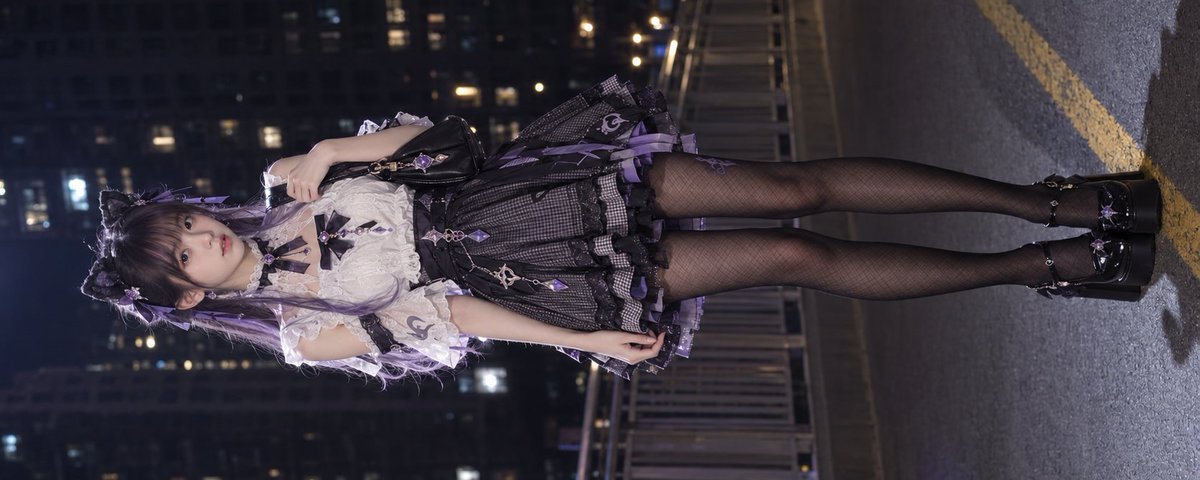
CORE REFERENCE RULE Image 1 is the sole authority for the subject's identity, face, hairstyle, hair color, skin tone, body proportions, outfit, accessories, and overall visual aesthetic. Preserve these recognizable features throughout every cut. Animate the person naturally; do not redesign the character or replace the outfit. Keep the scene grounded in the visual world and color palette established by Image 1. Changes in angle or location should feel like nearby viewpoints or visually related areas within that same world, not unrelated scene changes. Do not introduce new props unless they are already present in Image 1 or naturally part of the established environment.
EDITING CONCEPT Build a playful, high-energy, rhythm-synchronized portrait MV. The opening is one fluid burst of movement with an intimate camera sweep, a quick body-level pass, and a turning/orbiting reveal. After the opening spin, switch into a bright pose-montage style: full-body dancing poses, cute hand gestures, expressive close-ups, whip-pan motion blur, brief flash cuts, and crisp pose changes on musical accents. Alternate fluid camera movement with clearly edited cuts. It should feel like a deliberately edited music video, not one uninterrupted dance take and not a slideshow of static photos.
AUDIO RHYTHM Use Audio 1 itself as the timing authority. The supplied example has a brisk pulse of roughly 129 BPM, with main beats about 0.46 seconds apart and smaller accents near 0.23 seconds apart. Let the strongest beats trigger the clearest pose changes or cuts; use subdivisions for brief push-ins, gesture changes, or blur transitions. Follow the actual music if its phrasing differs from these approximate timings. Do not add, replace, or remix the soundtrack.
OPENING ACTION AND CAMERA — APPROX. 0.0–2.1s 0.0–0.35s: Start already in motion. The subject is in a lively, slightly lowered three-quarter pose, upper body leaning forward and head turning back toward the camera. Give a natural, bright, confident smile. Hair and loose fabric trail from the turn. The camera begins close to a front-side angle, slightly below eye level, with a quick lateral arc that gives the opening immediate momentum.
0.35–0.85s: Accelerate into a close, diagonal push past the shoulder and flowing hair. Sweep down across the cardigan/top and waist toward the skirt, allowing the subject's clothing and hair to pass close to the lens. Use strong perspective parallax and brief directional motion blur. This is a purposeful camera move, not an accidental crop or a prolonged close-up of clothing.
0.85–1.30s: Perform a fast whip-pan / body-level sweep. Let the frame momentarily become abstract with fabric motion blur, then begin to resolve as the camera continues around the subject's side. Keep the movement directional and motivated by the subject turning.
1.30–1.85s: The subject completes a playful spin. Hair and skirt fan outward naturally with believable inertia. The camera arcs around from a side/back three-quarter view while gradually pulling back from the tight pass into a full-body view. The camera and subject rotate together with a smooth acceleration and deceleration, rather than an endless circular orbit.
1.85–2.15s: Resolve into a front-facing full-body composition. The subject finishes the turn with feet grounded, then opens both arms outward in time with a musical accent. Let the skirt and hair settle for a moment while retaining lively motion.
POSE CHOREOGRAPHY — APPROX. 2.15–4.5s 2.15–2.40s: On the next accent, the subject makes a small playful hop, lifts one leg backward with the knee bent, and sweeps both arms up.
2.40–2.85s: Complete an overhead heart gesture with both arms while balancing briefly on one leg. Keep the full body and shoes visible; the pose is light, balanced, and joyful rather than rigid. The camera makes a subtle forward drift, not a sudden zoom straight into the face.
2.85–3.35s: Lower the arms in one continuous gesture and form a small heart with the hands in front of the face/chest. Let the subject tilt her head and maintain eye contact with the lens. Change expression naturally with the gesture.
3.35–3.65s: Move the hand-heart closer to the lens so the fingers briefly frame the face. Push the camera through or past the heart-shaped opening, using the hands as a natural foreground wipe into the close-up. Keep hands anatomically clean and correctly shaped.
3.65–4.45s: Land on an intimate face close-up with shallow depth of field and soft, realistic background bokeh. The subject smiles warmly, makes small natural head and eye movements, and keeps looking toward the lens. Allow a gentle expression change and one brief, intentional wink near the end of this phrase; do not keep both eyes closed or hold a frozen expression. The close-up should feel alive, not like a still portrait.
RHYTHMIC POSE MONTAGE — APPROX. 4.45s TO THE END From this point, the edit becomes more staccato. Use a repeating visual rhythm: a brief directional blur or whip-pan, a crisp new pose on a strong beat, a short readable hold with natural micro-movement, then another transition. Most shots last roughly one beat or two beats; occasional shorter cuts land on subdivisions. Vary shot size between full-body, three-quarter, medium, and close-up instead of repeating the same framing. Use brief black or bright exposure flashes only as occasional accents on stronger beats, typically 1–2 frames, immediately revealing the next image. Never use long black gaps or constant random flicker.
4.45–5.00s: A fast defocus/whip transition reveals a closer three-quarter view. The subject leans toward the camera, extends one arm slightly toward the lens as if greeting the viewer, tilts her head, and smiles. Keep the perspective playful and natural; do not stretch the arm unnaturally.
5.00–5.35s: On a beat, use a short directional blur to switch to a medium shot. The subject turns slightly sideways, brings one hand near the cheek or hair, and glances back toward the lens. Let the background lights streak briefly during the transition, then become clear again.
5.35–5.90s: Use a very brief flash/whip cut into a lower, playful pose: knees softly bent or one knee lifted, torso leaning a little toward the camera, hands gathered naturally near the upper body. Hold just long enough for the silhouette and expression to read.
5.90–6.30s: Blur across the frame on a musical accent, then reveal a medium shot with a cheerful two-hand V/peace-sign pose near the face or shoulders. Keep fingers distinct and natural. The pose is held briefly with a small head tilt and a real smile.
6.30–6.90s: Insert a tiny flash accent and cut to a side/back three-quarter full-body view. The subject pivots away, looks back over her shoulder, and bends one leg backward in a playful pose. Hair and clothing follow the turn with a slight delayed swing. Let the camera make a short lateral track instead of staying completely static.
6.90–7.30s: Whip-pan to a medium side view. The subject turns her shoulders back toward the lens and makes a small relaxed hand gesture. If a rail or ledge already exists in the scene from Image 1, she may touch it lightly; otherwise do not create one. Keep the environment coherent.
7.30–7.80s: Use a vertical or diagonal motion-blur wipe. Reveal a forward-leaning, playful three-quarter pose with knees gently bent, head tilted, and hands held naturally near the torso. The camera dips slightly and then settles; retain natural eye contact and expression.
7.80–8.25s: Cut to a wider side/back view. The subject turns away and looks back at the camera while opening her arms slightly, allowing the skirt and hair to flare. Use a brief pull-back or lateral drift so the full pose reads clearly.
8.25–8.70s: On the next accent, dip to a lower three-quarter angle as the subject shifts into a compact side pose, lightly bending one knee or crossing one leg in front. The body remains balanced and physically plausible. The camera movement is short and smooth, with a tiny push-in at the end.
8.70–9.15s: A blurred flash transition reveals a medium shot. The subject brings both hands together near the chest in a cute, self-contained gesture, smiling softly and tilting her head. Do not add a cup, phone, or other hand prop unless that object is already present in Image 1.
9.15–9.60s: Use a fast lateral blur to switch to a standing three-quarter side pose. The subject turns away slightly, then looks back toward the camera over her shoulder. Let the camera track a little in the opposite direction to create parallax.
9.60–10.00s: A brief flash/defocus transition reveals a closer forward-leaning pose, knees gently bent and hands naturally gathered near the torso. The expression is bright and playful. Keep the eyes open and expressive, with a natural blink only if it happens as part of normal movement.
FINAL ACCENT — APPROX. LAST 0.5s 10.00s–end: Use one final strong whip-pan blur and resolve into a clear full-body hero pose. The subject performs a small joyful jump, arms opening outward, one knee bent backward, hair and loose fabric trailing behind. The camera pulls back just enough to keep the entire body and feet in frame. End on a crisp, readable mid-motion hero image with a short natural settle, not on a black screen and not with a frozen, expressionless face.
CAMERA LANGUAGE Use a lively mix of close tracking, diagonal push-ins, low-to-eye-level lateral sweeps, short orbiting arcs, whip-pans, brief pull-backs, and selective close-ups. Camera motion should have clear direction and momentum: accelerate into a move, pass the subject or foreground, then resolve cleanly on the next pose. Let the camera move freely around the subject; do not force every shot to remain face-centered. When the face is visible, keep the eyes and expression readable. Maintain plausible lens perspective and natural body proportions.
VISUAL FINISH Live-action photographic realism, natural skin texture, believable hair strands and fabric movement, soft cinematic light, attractive bokeh, controlled highlights, clear subject separation, and subtle motion blur only during fast transitions. Keep the grade and visual world consistent with Image 1. Pose changes should be crisp at the edit points; motion within each shot should remain fluid. The overall feeling is cheerful, cute, energetic, polished, and rhythmically edited.
CONTINUITY AND QUALITY Preserve the same person, face, hairstyle, skin tone, body proportions, outfit, and accessories in every shot. Keep hands, fingers, legs, and feet anatomically plausible. Maintain coherent screen direction across adjacent shots unless a whip-pan visibly motivates the change. Let expressions evolve naturally: smile, glance, head tilt, and at most one brief intentional wink during the close-up phrase. The subject should remain alive between pose holds through subtle breathing, eye movement, hair motion, and cloth settling.
Avoid: identity drift, outfit redesign, face morphing, duplicated limbs, malformed hands, extra fingers, distorted joints, accidental cropping of the feet in full-body shots, continuous uncontrolled camera shake, excessive smear that hides every pose, long black frames, random flicker, permanently closed eyes, a blank or frozen expression, unrelated location jumps, added props, captions, logos, watermarks, and split-screen layouts.
使用时的关键点
-
只上传 Image 1 + Audio 1;不要要求 H3 “参考原视频”,因为它并没有收到那段分析视频作为输入。
-
如果所用 H3 模式对长时间轴执行不稳定,可以保留“开场 0–2.1 秒、手势近景 2.1–4.5 秒、卡点姿势蒙太奇 4.45 秒至结尾”这三个层级,不要再给每个 0.1 秒都增加新动作。
-
闪屏是少量剪辑重音,不是全程频闪;主体动作切换才是重点。若输出出现持续黑屏或随机闪烁,优先删弱闪屏描述,保留 whip-pan blur 与清晰姿势切点。
沿着这个主题继续读
从一篇文章,找到相关的教程、经验和阅读路径。