The Jared Kushner Playbook
文章目录
Jared Kushner has pulled off some of the biggest deals of this century.
His unique dealmaking playbook allows him to operate in markets where politics, perception, or complexity make other investors hesitate.
Listening Is a Superpower
Jared Kushner’s edge in negotiations often comes from listening longer than most people do. He learned early that people usually tell you what they care about if you give them enough room.
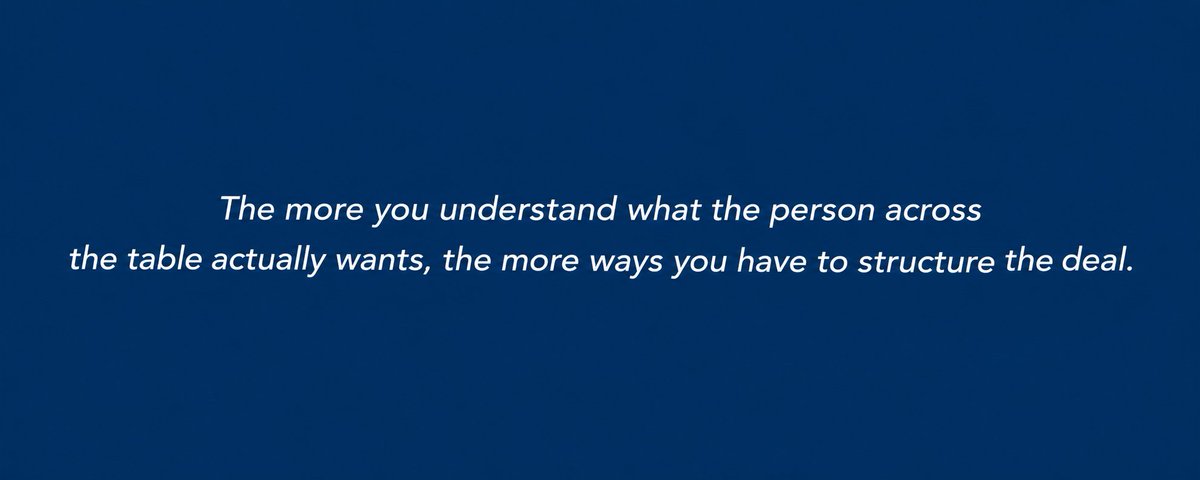
The objective is to figure out what the other side needs, what they can give up, and which points actually determine whether a deal gets done.
The Affinity Playbook
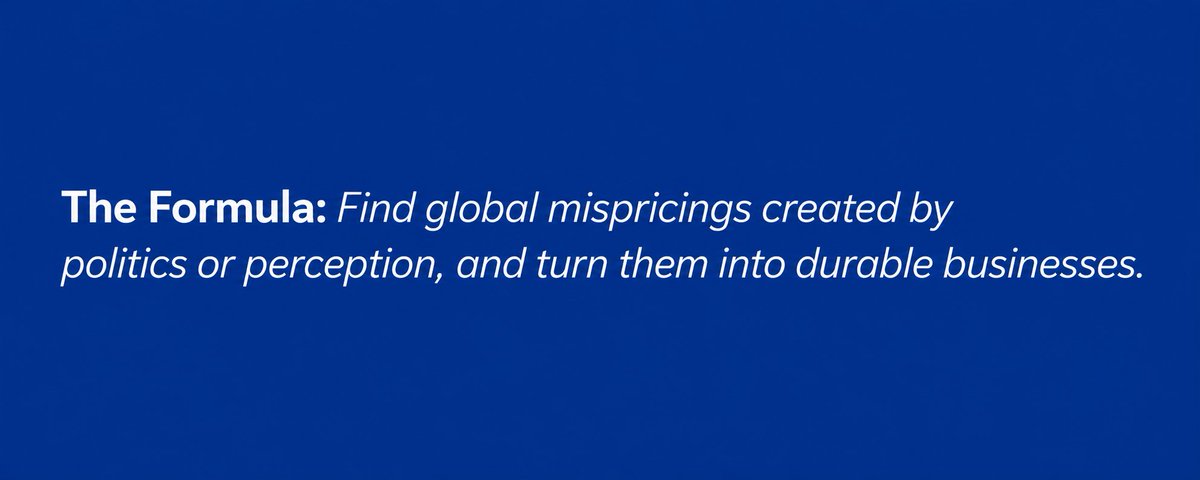
Affinity is built around situations where politics or perception have pushed investors away from businesses that still have strong underlying economics. Kushner looks for those dislocations and backs companies that can keep compounding once the market catches up.
Competitive with no one, collaborative with everyone
Affinity is deliberately built to work with other investors rather than around them. Kushner describes the philosophy as “competitive with no one, collaborative with everyone.”
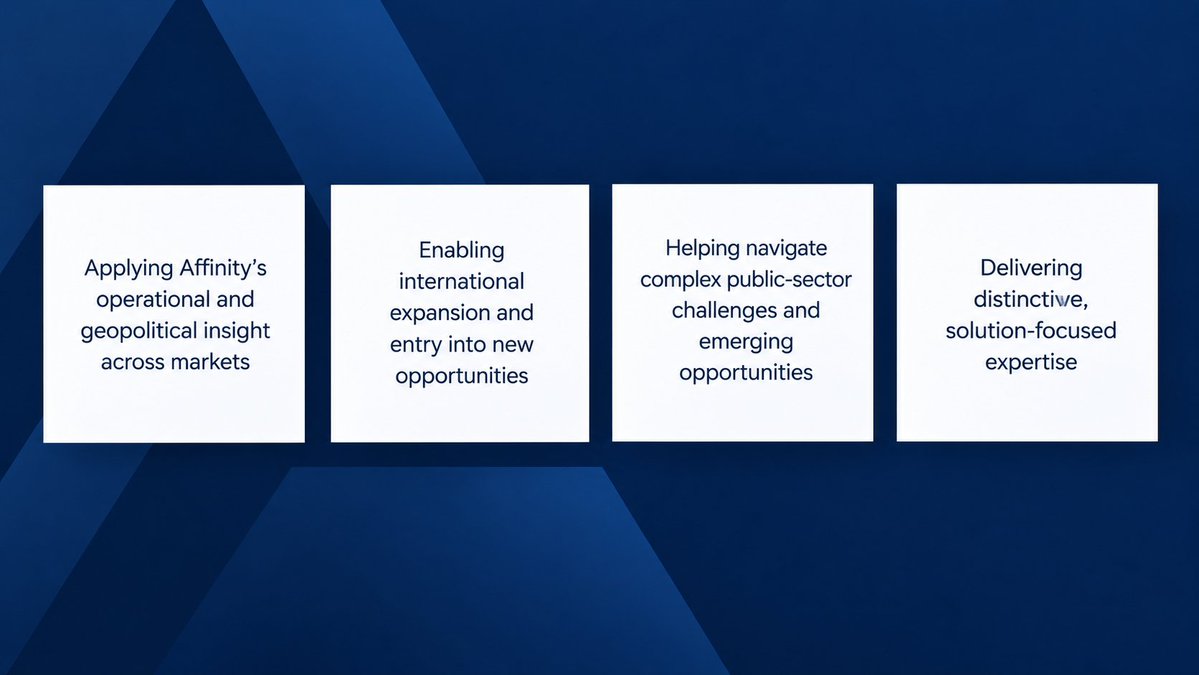
This philosophy follows the old merchant-banking model, with Kushner acting as a kind of deal conductor.
Affinity brings together the capital, industry expertise, local relationships and strategic partners a transaction needs, then works to keep those interests moving in the same direction.
The core value often comes from assembling the group as much as choosing the asset itself. This structure allows Affinity to participate in deals far larger than it could fund alone, without needing to control them.
Picking the Right Market
Affinity looks for countries with a clear catalyst: economic growth backed by political leadership willing to make reforms stick. Then it looks for scalable companies that can turn those changes into earnings.
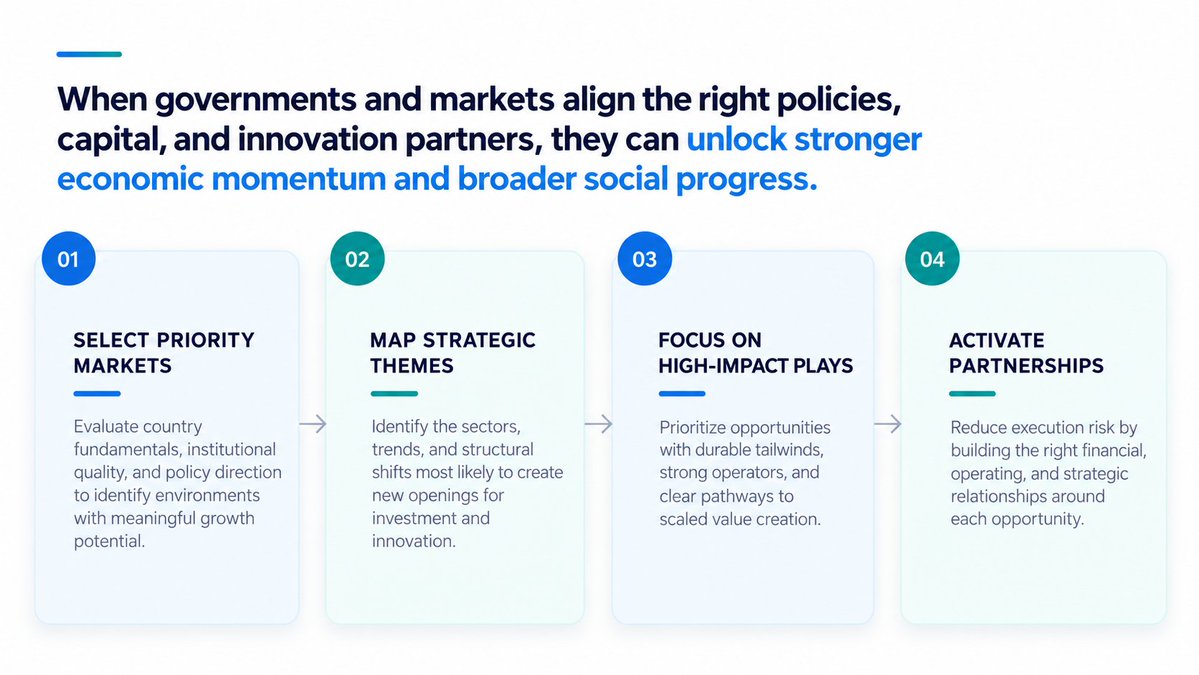
Affinity breaks the underwriting into a few distinct layers:
-
Country: macro conditions, political leadership, policy frameworks, institutional quality, property rights, capital markets, human capital, and corruption risk.
-
Theme: sectors where policy changes, technology, or structural shifts can create sustained earnings growth.
-
Management: leadership teams with aligned incentives, a clear operating plan, and a record of execution.
-
Company: market leaders with long growth runways, low capital intensity, international expansion potential, and products or technology that can scale.
-
Structure: financial and operating partners that can reduce execution risk and help the company enter new markets.
Scale and Optionality
Scale determines whether the thesis can actually be monetized.
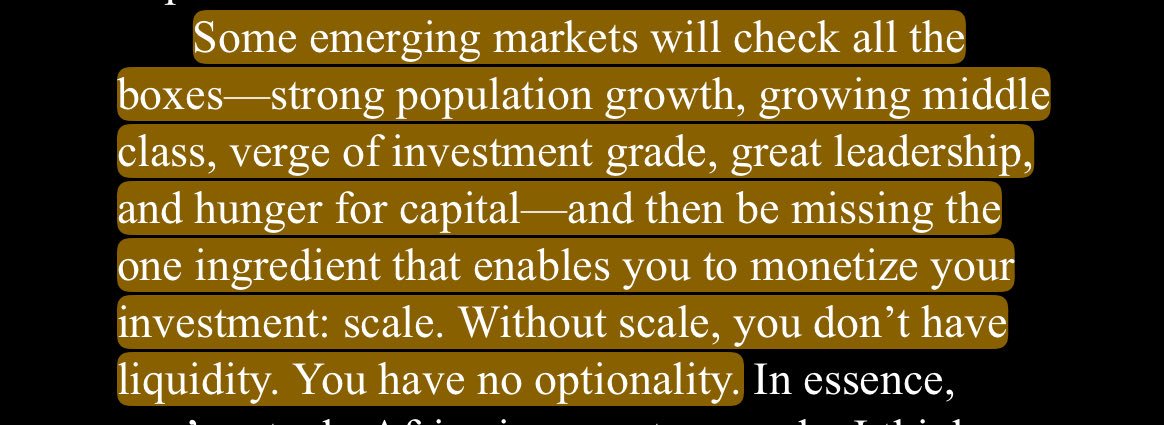
Strong demographics, a growing middle class and reform momentum can make a country attractive, but the underlying companies still need enough size to absorb capital and provide liquidity at exit.
That part of the framework closely resembles Sam Zell’s approach to emerging markets. Zell looked for the same combination of growth, leadership and capital demand, with scale as the ingredient that ultimately made the market investable:
The Framework at a Glance
Affinity’s approach moves from the outside in. It starts with the country and asks whether policy, institutions and political leadership can support sustained economic growth. From there, the focus narrows to sectors that should benefit from those changes and to companies with the management teams, market positions and reinvestment opportunities to capture that growth.
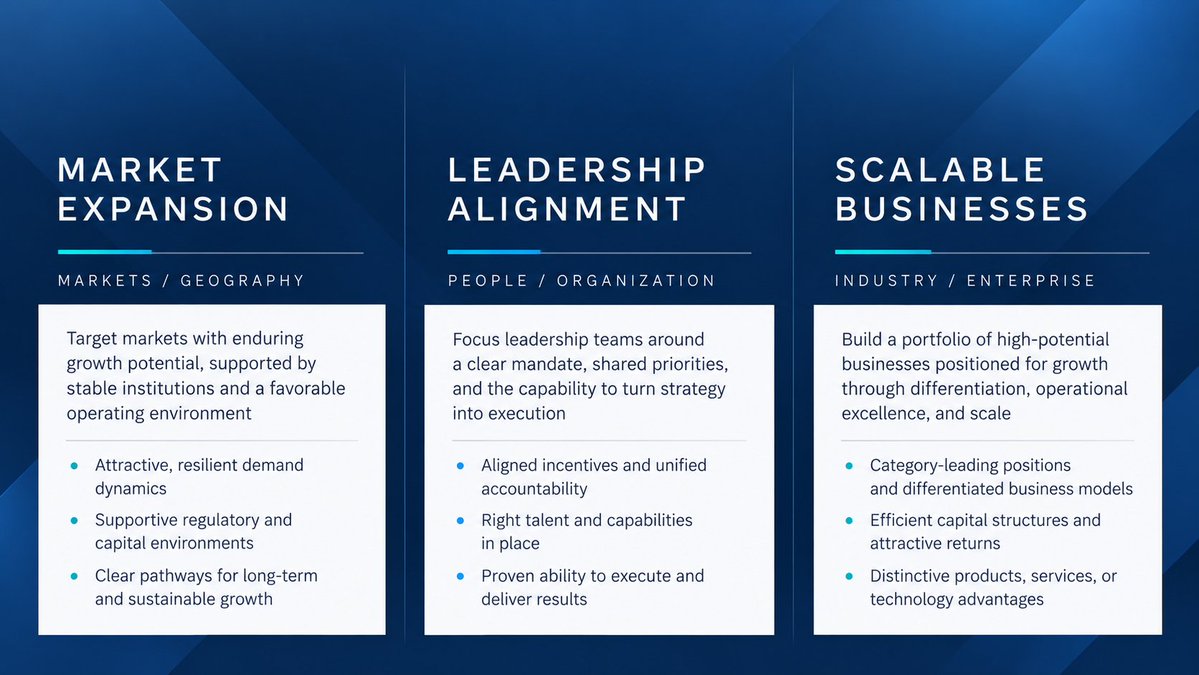
Scale then determines how much of that thesis can be turned into investment returns. Affinity wants businesses large enough to absorb meaningful capital, expand across products or geographies and eventually attract a deep pool of buyers. Strategic and financial partners can help accelerate that process, particularly when entering new markets or navigating regulatory and political complexity.
Brazil at 5x Cash Flow
When Affinity entered Brazil, the backdrop was ugly. COVID had emptied many of the malls where the restaurants operated, cash flow had fallen sharply, and interest rates had climbed from roughly 2% to 14%. Foreign capital was leaving the country.
Affinity partnered with Mubadala to buy the Brazilian Burger King and Popeyes platform at just over five times cash flow, with very little leverage. The investment case already assumed further currency depreciation, so the return did not depend on Brazil suddenly becoming fashionable again. The group later added Subway and Starbucks through bankruptcy transactions.
What happened inside the business was just as interesting. Management began using cameras and computer vision in the restaurants to track waste more closely. Food waste fell by 35%, improving margins across a business that, on the surface, had very little to do with technology.
Affinity bought into Brazil when rates were high, capital was leaving, and valuations had compressed. The low entry multiple and limited leverage gave the investment room to work even if the macro recovery took time.
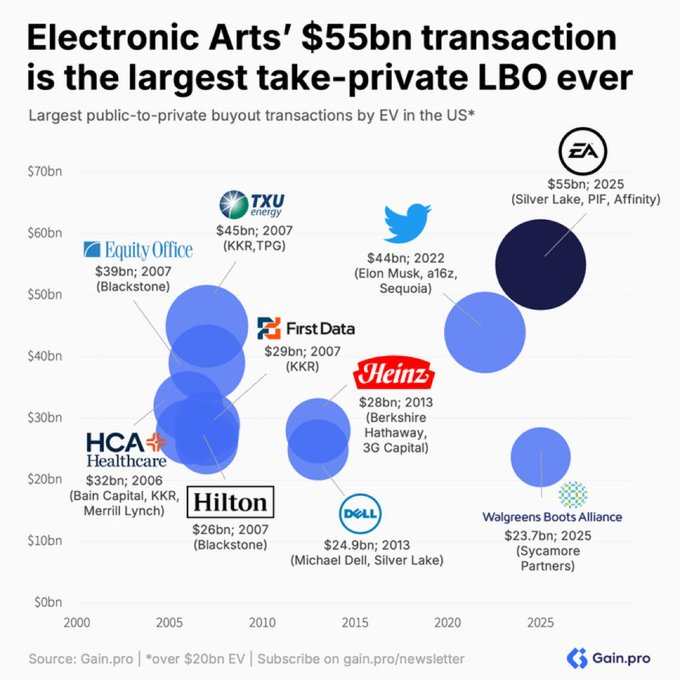
The $55 Billion Take-Private
Electronic Arts was one of the largest buyouts in history.
The company owns some of the most valuable intellectual property in gaming. EA SPORTS FC, Madden, Battlefield, The Sims and Apex Legends reach hundreds of millions of players, and EA can monetize those franchises for years through new releases, live services and digital content.
The Thesis
The investment case depends on EA generating more revenue from the IP it already owns:
-
More revenue from existing players. Live services, subscriptions and in-game spending can extend the economics of each franchise across years rather than a single release.
-
More investment behind the franchises. Private ownership allows EA to commit capital to Battlefield, The Sims, shared technology and AI projects with multi-year payoffs.
-
More places to monetize the IP. Mobile, esports, advertising, sports media, live events and international expansion all give EA additional ways to use the same franchises.
-
More strategic reach through PIF. Savvy, Scopely and ESL FACEIT give EA access to a broader gaming and esports ecosystem.
10 Lessons from Jared Kushner

-
Listen more than you talk. People will usually tell you what they care about if you give them enough room. Once you understand their priorities, you have far more ways to structure a deal.
-
Know what you are solving for. Before making a decision, Kushner asks two questions: What do I want? What am I actually solving for? Getting those clear eliminates a surprising amount of noise.
-
Make it easy to say yes. If you genuinely want to buy, do not bury the transaction under issues that have little effect on the economics. Kushner learned to identify the few terms he actually cared about and keep the rest of the process moving.
-
Focus on the next deal, not the last dollar. In New York real estate, Kushner saw counterparties fight over every final concession. He took a longer view. A reputation for being good to do business with can be worth more than whatever you extract from a single transaction.
-
Everyone has to eat. Greg Cuneo taught him this while Kushner was negotiating aggressively with contractors at 200 Lafayette. If the other side has no economics left, they have little reason to give you their best work.
-
Work with the other side’s incentives. At 666 Fifth Avenue, Kushner could not force creditors into a restructuring. He had to understand what each of them needed and construct a deal they had a reason to support.
-
Walk away when the economics stop working. There will always be another asset and another seller. Kushner says that realization gave him the discipline to leave deals where the price, returns or relationship no longer made sense.
-
Structure the downside before you chase the upside. One of the lessons Kushner took from 666 was that a good investment thesis can still fail with the wrong capital structure. He became more focused on avoiding oversized concentrated bets and finding deals with asymmetric risk.
-
Know who knows more than you do. Kushner openly talks about knowing the limits of his own expertise. Rather than asking one person for an answer, he calls people with different perspectives, gathers information and forms his own view.
-
Keep working the problem. A piece of advice from his father stayed with him: when the hill looks overwhelming, look at your feet and take the next step. That mentality shows up repeatedly in Kushner’s career. Large problems become a sequence of smaller ones that can actually be worked through.