How to use AI for $0 marketing with Claude (8 Actions Guide)

文章目录
部分视频或图片暂未收录,已在正文保留提示;需要时可查看原文。查看原文 ↗
marketing can be a real pain, especially for first-time founders:
bad news:
you need to build your MVP and continue to develop the product, just as you have to constantly refine your marketing strategy.
but there is good news:
with the help of AI, you can execute the “$0 marketing” strategy, which relies on product-led growth tactics and organic channels that are completely free:
Marketing can be expensive, but it doesn't have to be
(and no, it's not only about the copywriting)
1/ RESEARCH: Know Your Competitors & Customers
it might be an obvious step, but there are too many founders skipping it:
-
you make a product with 0 research
-
your product works, but no one cares
-
you give up in a month with burnout
it's okay if you didn't make anything from it, but what if you lost time and money? all because you didn't run a few basic tests?
open Claude and do this right now (no excuses):
-
**create a competitor list → **Claude will easily name 5- 10 competitors for your niche. ask for their websites and social media accounts
-
**create your target audience portrait (ICP) → **based on your industry, ask Claude to describe 2–3 ideal customer personas
-
figure out their pain → your target audience is unique and has unique pains that your product has to cover
let's say I'm building an AI marketing tool for early-stage SaaS founders.
🔖 use this ready-made prompt:
You are an expert market analyst.

I want you to research and identify the top 5 pain points faced by early-stage SaaS teams trying get their first 1,000 users.

Here’s what I need you to do:

Analyze recent customer reviews (from sites like G2, Capterra, Trustpilot, Reddit, or relevant forums), competitor FAQ pages, and industry news.

For each pain point, provide:
- A concise description
- Why it matters to the target audience
- A brief real-world example or quote from a customer (include the attribution/source)
- Direct links to each source or article that supports your findings

Format your response as follows:

Pain Point

Description:
Why it matters:
Example/Quote:
Source/Link:
Researching user's pain points
great, now we have the right wording that aligns with our TA for:
-
outreach messages
-
social media posts
-
landing page copy
-
ads creatives
-
newsletter
-
emails
-
etc.
These help you talk about user goals and how you solve user pain,* *and less about features:
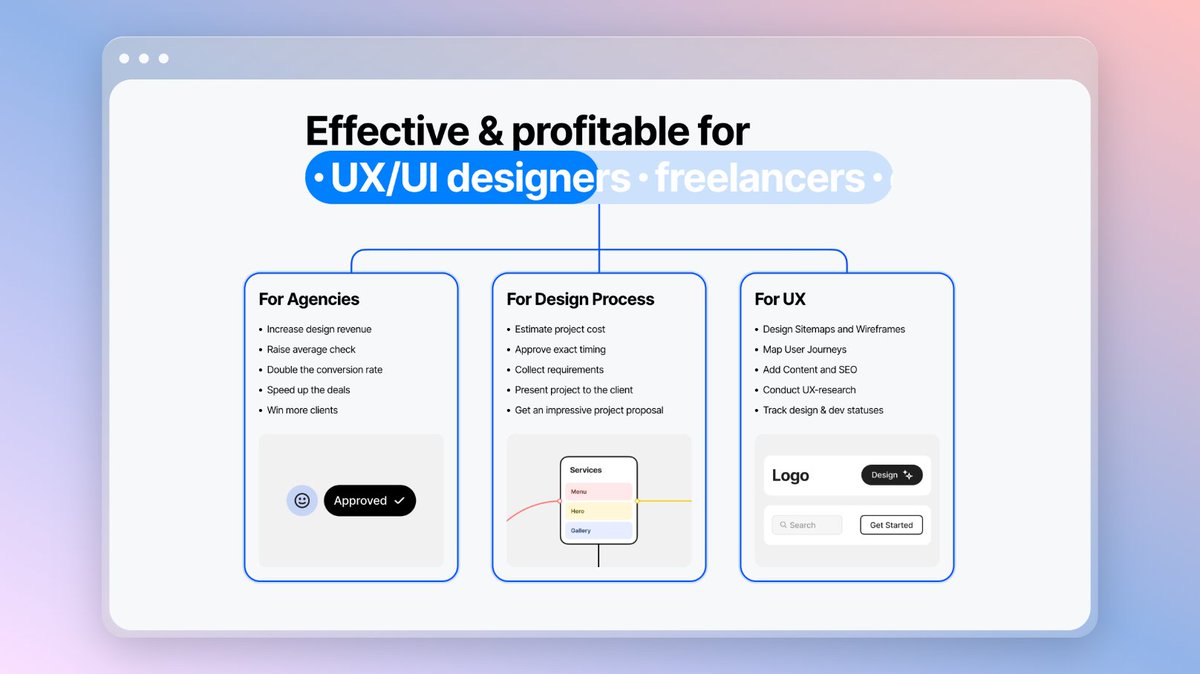
Section of Flowmapp (flowmapp.com) landing based on understanding TA segments
2/ LEADS: Find Your First 30 Customers
building is fun, but sales fund the business and let you progress.
finding the right target audience is the first step, but finding the exact people who could be interested in purchasing what you have to offer is 95% of success.
*leads aren’t about finding 1000 random cold emails: *real leads are people who actually care about what you’re building
instead of spending hours on manual search, I know how to automate it:

the setup is simple:
-
connect Claude to Treg People Search. Treg connects Claude to people and company data from providers like apollo, hunter, etc.
-
describe your product and the exact type of people you want to reach.
-
let Claude+Treg find matching companies, identify decision-makers, find their work emails, and qualify each lead.
🔖 use this ready-made prompt:
I'm building an AI marketing tool that helps early-stage SaaS founders get their first 1,000 users.

Using Treg People Search, find 30 potential customers who match these criteria:

- founders or CEOs of B2B SaaS or AI products
- companies with 1–20 employees
- based in the US or Europe
- preferably companies that recently launched a product

For each lead, find:

- name, company, role, and website
- verified work email, if available
- why this person might need my product
- one specific, source-backed reason to reach out

Rank everyone by how closely they match my ideal customer. Don't invent missing information.

Show me the cost before using any paid data tools, and start with the 10 strongest matches.

Return everything in a table I can export to CSV.
here is what we got for each potential client: name, role, company, website, location, company size, verified email, why they meet our product, source of it, linkedin.
more than enough to reach out.
each verified prospect costs only $0.014, literally zero
3/ OUTREACH: Write Messages That Get Replies
connecting with leads is the next step.
simply ask Claude to research those 30 people and write a short, personalized message for each as a draft.
not generic "I've been following your journey" 💩
something based on what they've actually launched or what their product does.
🔖 use this ready-made prompt:
Create a highly personalised email for the first potential client on the list.

- Style: informal, founder-style, friendly, brief
- Goal: to establish contact and meaningful connection
- Don't sell product.
- Don't offer call.
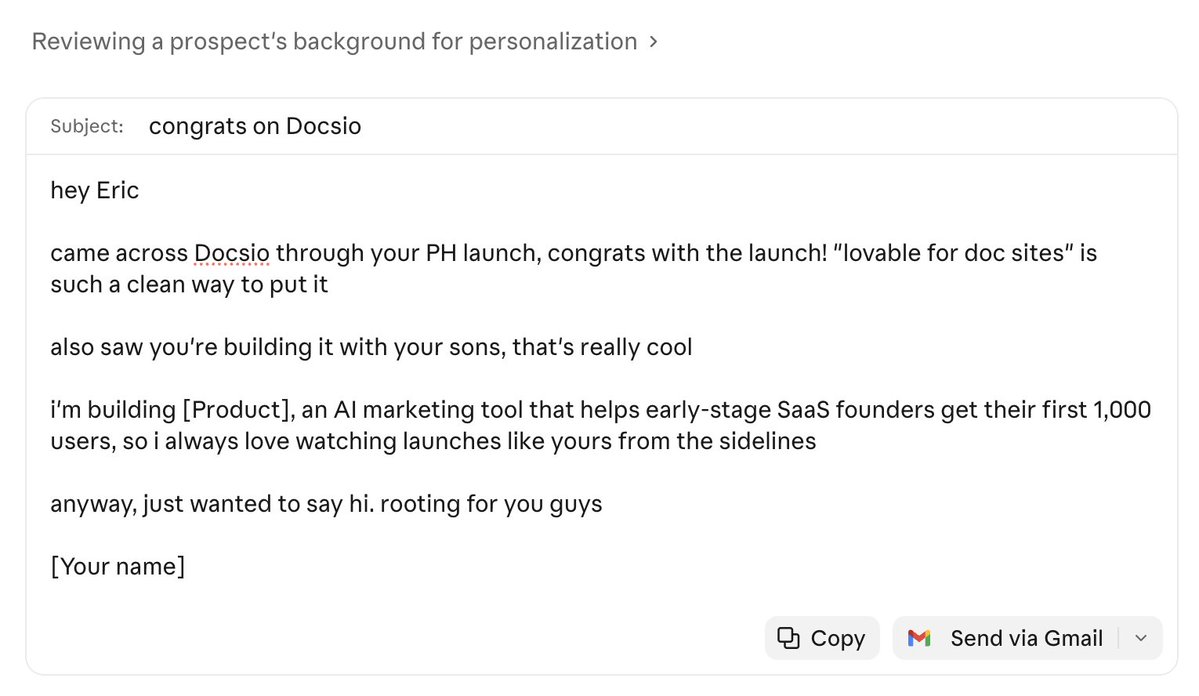
great starting point to make it sounds more native
NEVER TRY TO SELL IN THE FIRST MESSAGE! NEVER!
start with the first 5-7 leads:
- reach out personally
- see who responds
- improve your intro message
- A/B test email subject (reply rate)
- repeat 🔄
the goal isn't to collect 10,000 emails. it's to find the first 10 people who might actually become your customers!
start small, start manually
4/ INFLUENCERS: Find 50 Micro-Creators to Collaborate With
most founders think of influencers as people with hundreds of thousands of followers and crazy pricing.
wrong.
right strategy: your ideal target is micro-influencers with 2k–10k followers on 𝕏 / LinkedIn who talk about your niche and might be open to collaborations beyond paid sponsorships.
someone with 3,000 followers who are all SaaS founders can be much more valuable than someone with 100,000 random followers.
and you don't necessarily need a marketing budget to work with them.
let's offer instead:
-
free access to your product for 1 year
-
revenue sharing
-
exclusive early access to new features
-
cross-promotion (in your socials)
here's how to use Claude + Treg to find the right people:
-
connect Treg to Claude to access social profiles, posts, and people-search data
-
describe your product, niche, and ideal customer
-
ask Claude to use Treg to find 50 micro-influencers on LinkedIn with 2k–10k followers who regularly post about your industry
-
have Claude analyze their content, audience relevance, and engagement. rank them by fit, not just follower count
-
build a shortlist with their profiles and a specific collaboration idea for each
🔖 use this ready-made prompt:
I'm building an AI marketing tool that helps early-stage SaaS founders get their first 1,000 users.

Using Treg, find 50 micro-influencers who could help me reach my target audience.

My ideal influencers:

- 2,000–10,000 followers on LinkedIn
regularly post about SaaS, startups, AI tools, indie hacking, product launches, or growth
- create content in English
- have an engaged audience of founders, builders, developers, or makers
- have published content within the last 30 days

For each influencer, find:

- name and LinkedIn profile URL
- follower count (if verifiable)
- main content topics
- typical engagement on recent posts, if available
- public business email or contact method, if available
- why their audience is relevant to my product
- one specific idea for a collaboration

Rank all 50 by:

- audience relevance to my ideal customers
- content quality and engagement
- potential fit for a collaboration

Don't invent people, follower counts, engagement, or contact details. Include source links, mark missing information, and don't assume someone is willing to collaborate.

Return everything in a table I can export to CSV.
now you have a list of 50 potential distribution partners.
but don't send the same generic DM to everyone!
Create a short personal message proposing a collaboration:
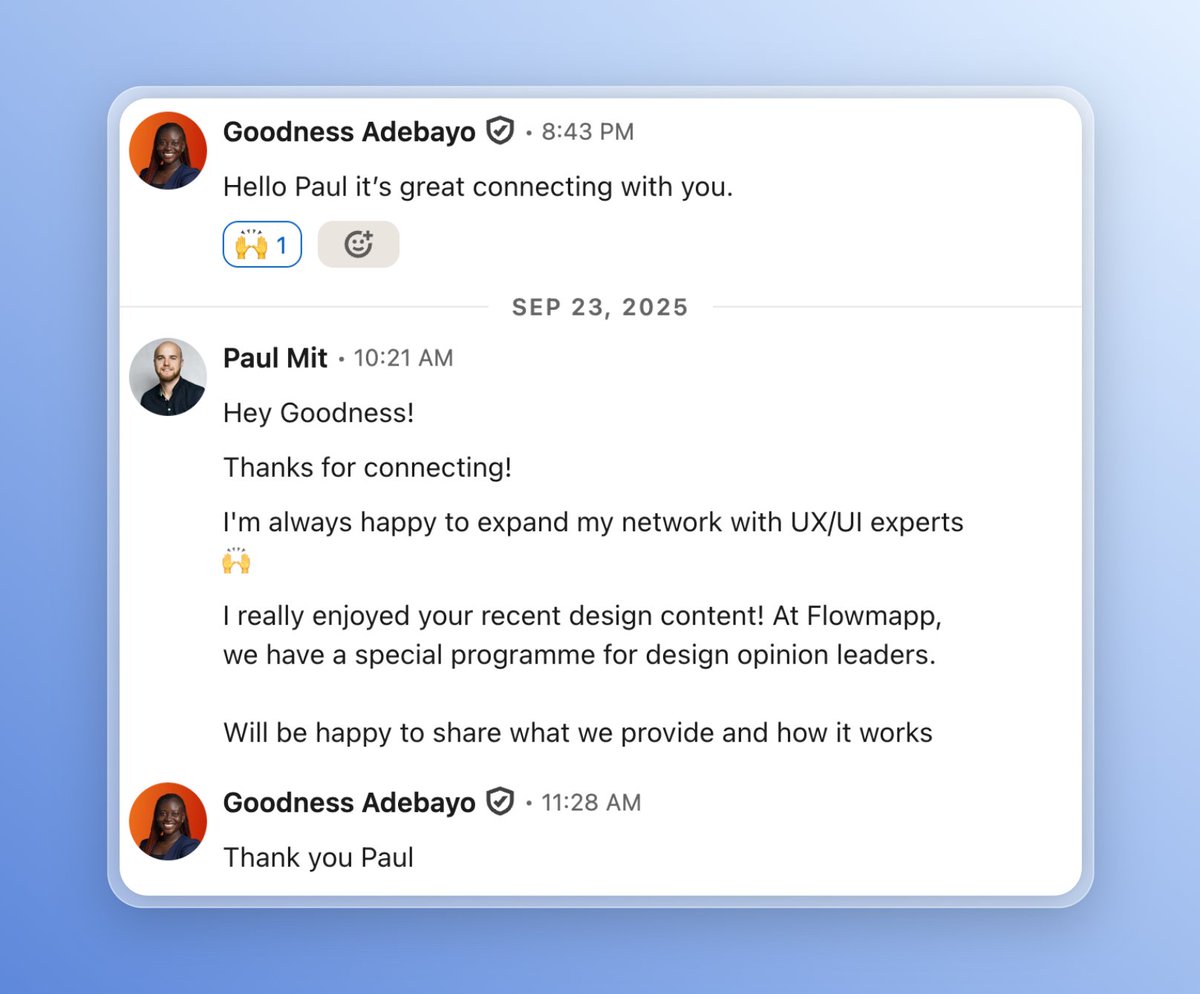
❌ don't: - mass spam DMs
- treat influencers like a numbers game
- send AI slop messages
- be too formal
start conversations → build relationships → offer value.
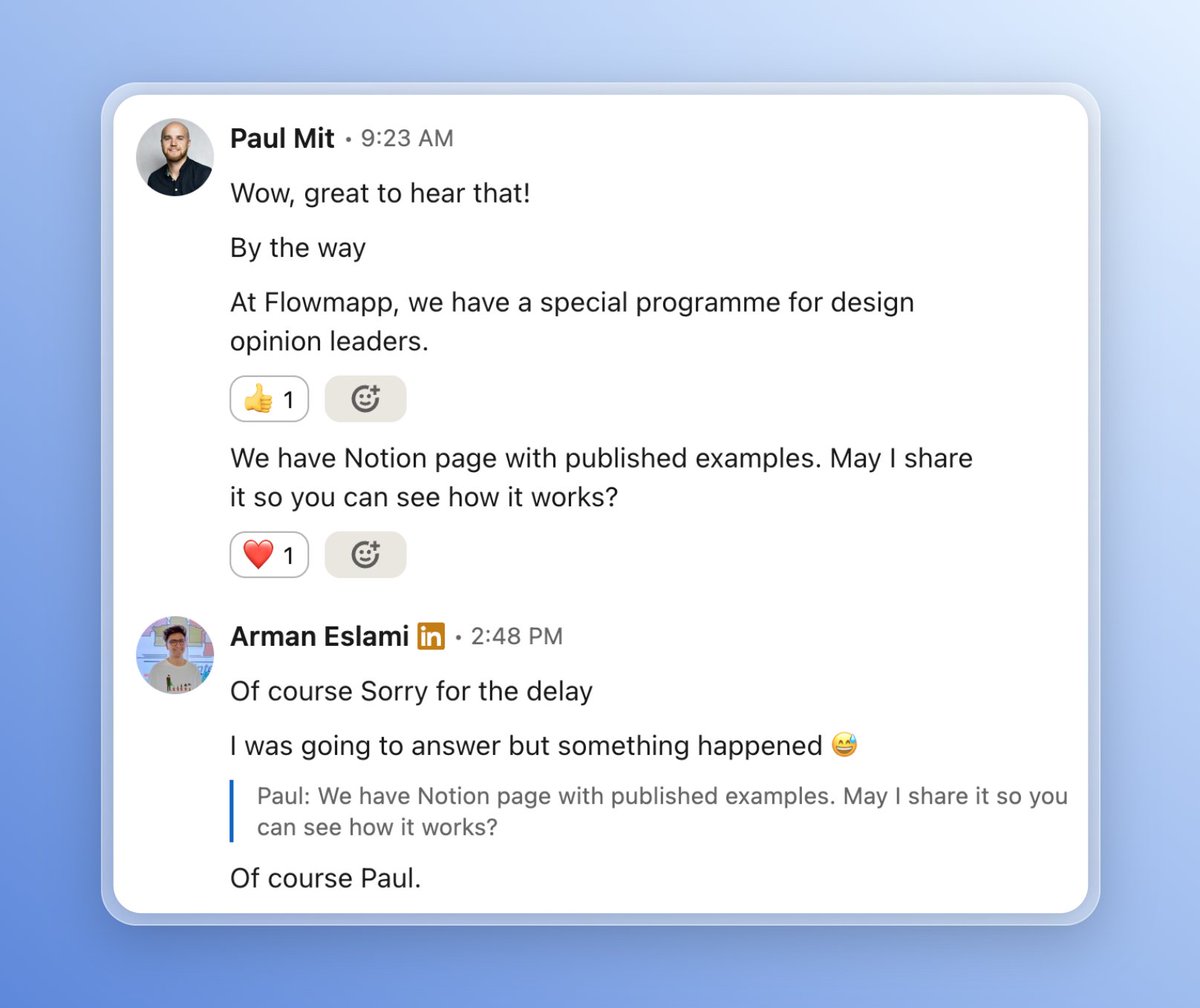
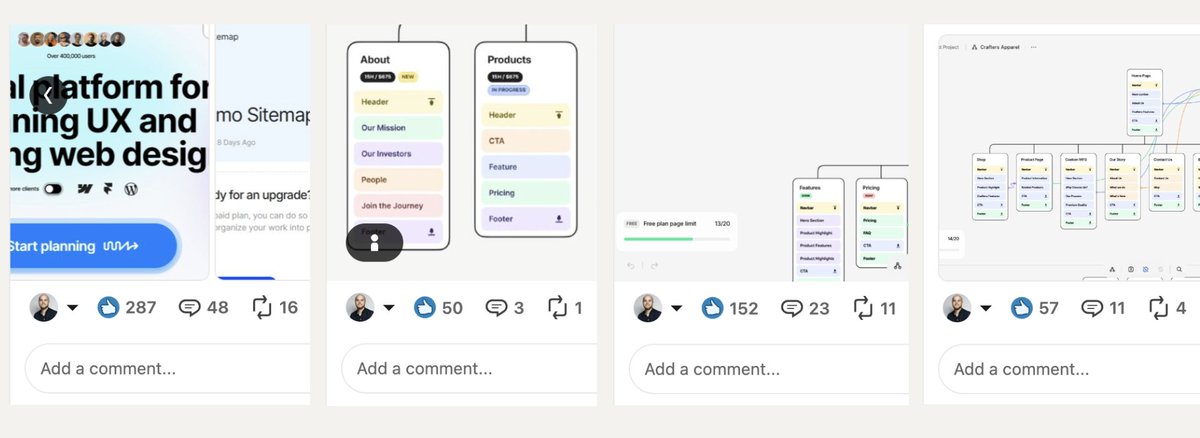
we've done hundreds of collaborations for our product Flowmapp generating hundreds of thousands of organic views:
5/ INSPIRATION: Reverse-Engineer Viral Posts in Your Niche
if you think that you have a genius and unique post in mind, you're probably wrong.
there is a huge chance that someone has already posted it on Reddit or LinkedIn. that's just how the internet works!
no need to worry, though, we can use it to our advantage.
Claude can help you look for bangers across the internet. you have to have a topic in mind and a list of certain communities or creators, so the AI can scan the posts and turn the most successful ones into content ideas
Analyze the following LinkedIn communities to identify high-engagement topics and transform these insights into Twitter content for my personal brand. Instructions:

1. For each LinkedIn community on the list below, systematically review recent discussions, posts, and comments. 2. Identify the most popular and widely discussed themes, questions, and topics based on engagement metrics such as comment count, reactions, and shares. 3. Summarize the key engagement drivers (e.g., tone, topic type, audience pain points, or timely relevance) for each community.
4. For each community, generate 1–2 original tweet drafts that:
Are inspired by the top-performing LinkedIn discussions
5. Translate the topic or insight for optimal Twitter engagement
Reflect a professional, founder-oriented voice
Use concise language and relevant hashtags where appropriate

6. Present your findings in a table:
Community Name
Top 2–3 Popular Topics
Engagement Drivers
Tweet Drafts

LinkedIn Communities List:
[Paste your LinkedIn communities or links here]

DON'T: copy any content verbatim from LinkedIn; ensure all tweet drafts are original.

Highlight any emerging trends or recurring patterns you notice across multiple communities. Tailor the tweet drafts for an audience of founders, marketers, and business professionals.
💡 tip: switch from LinkedIn to Reddit next time for more coverage.
сheck out my weekly posting schedule on X through Typefully interface:
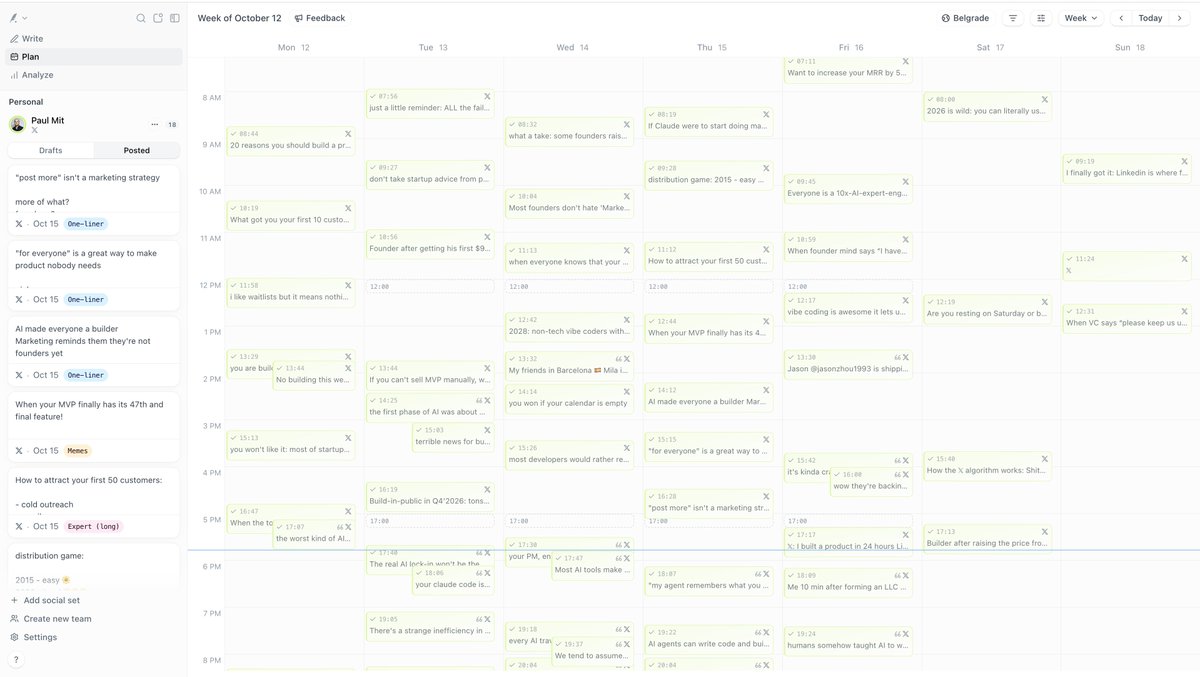
https://x.com/pmitu (28k followers)
AI helps me with search and ideation stages exactly that way.
don't let AI publish random slop, people don't like it.
6/ INTERVIEW: Turn Your Experience Into 30 Days of Content
the biggest founder's problem with AI-generated content?
it sounds like AI.
generic advice, zero personality.
but here's the thing: you probably already have dozens of interesting stories and lessons that could turn into great content.
you just don't know how to extract them.
right strategy: don't ask Claude to generate content from scratch. ask it to interview you, extract your unique knowledge, and turn it into a content plan.
here's how to do it:
-
open Claude and tell it about your product, target audience, and marketing goals
-
ask Claude to interview you with 30 questions, one at a time
-
let it dig into your founder journey, failures, customer problems, unpopular opinions, and lessons learned
-
ask follow-up questions whenever your answers reveal something interesting
-
turn everything into a 30-day content plan for 𝕏 and LinkedIn
🔖 use this ready-made prompt:
I'm the founder of an AI marketing tool that helps early-stage SaaS founders get their first 1,000 users.

I want to build a personal brand on 𝕏 and LinkedIn, attract my ideal customers, and organically promote my product.

Act as an experienced journalist and content strategist. Your job is to interview me and turn my experience into a 30-day content plan.

Phase 1: Interview me

Ask me 20 questions, one at a time, covering:

- my founder journey and why I started building this product
- problems I've discovered while talking to users
- mistakes, failures, and lessons learned
- unpopular opinions about startups, marketing, and AI
- interesting stories from building my product
- experiments, results, and unexpected discoveries
- practical advice I can share with other founders
- what makes my product and perspective different

Don't ask generic questions. Challenge my assumptions and ask follow-up questions when something interesting comes up.

Wait for my answer before asking the next question.

Phase 2: Extract content ideas

After the interview, analyze all my answers and identify:

- 10 strong personal stories
- 10 actionable insights or lessons
- 10 interesting or controversial opinions

Prioritize ideas that are specific, useful, authentic, and likely to resonate with SaaS founders.

Phase 3: Build my content plan

Create a 30-day content calendar for 𝕏 and LinkedIn.

For each post, include:

- topic and content angle
- a strong opening hook
- 3–5 key talking points based on my answers
- recommended format (short post, story, thread, or educational post)
- a natural CTA where relevant

Keep the tone conversational, direct, and founder-focused. No corporate language, generic motivational advice, or obvious AI writing.

Use my own words and real experiences wherever possible. Don't invent stories, metrics, or opinions.

Return the plan as a structured table.

Important: Start by asking your first question. Don't generate the content plan until the interview is complete.
your best marketing content is probably already in your head.
you just need to get it out.
7/ DISTRIBUTION: Find 50 Communities Full of Potential Customers
most founders launch their product, post about it on 𝕏, get 12 likes, and wonder where all the customers are.
here's what you're missing: your potential customers are already discussing their problems somewhere else.
Reddit Discord Slack groups niche forums Indie Hackers LinkedIn communities etc.
people asking questions, looking for recommendations, and some of them need exactly what you're building.
right strategy: find the communities where your ideal customers already hang out and become part of their conversations.
here's how to use Claude to find 50 communities:
-
describe your product, ideal customers, and the problems you're solving
-
ask Claude to research relevant communities across Reddit, Discord, Slack, Indie Hackers, LinkedIn, and niche forums
-
find 50 active communities
-
rank them by audience relevance, activity, and opportunities to contribute
-
ask Claude to build a 30-day community engagement plan that doesn't involve spamming your product everywhere
🔖 use this ready-made prompt:
I'm building an AI marketing tool that helps early-stage SaaS founders get their first 1,000 users.

I want to find online communities where my potential customers are already active and discussing problems my product could solve.

Act as my community research and distribution strategist.

Phase 1: Find 50 communities

Research communities across:

- Reddit (subreddits)
- Discord servers
- Slack communities
- Indie Hackers and founder forums
- LinkedIn groups
- other niche communities relevant to my audience

My ideal communities:

- primarily SaaS founders, indie hackers, makers, and AI builders
- active discussions about marketing, growth, product launches, and customer acquisition
- English-speaking
- recent activity and meaningful engagement
- opportunities to share useful content, answer questions, or participate in discussions

For each community, find:

- community name and direct URL
- platform
- approximate member count, if available
- main topics and audience
- evidence of recent activity
- whether self-promotion is allowed (based on published rules)
- why it's relevant to my product
- one specific way I could contribute without being promotional

Phase 2: Prioritize

Rank all 50 communities based on:

- relevance to my ideal customers
- activity and quality of conversations
- opportunities to build trust and get discovered
- potential to generate qualified traffic and early customers

Don't invent communities, metrics, invite links, or posting rules. Use current sources, clearly mark anything you can't verify, and exclude inactive communities.

Phase 3: Build my distribution plan

Select the 10 strongest communities and create a 30-day action plan.

For each community, suggest:

- 3 useful content ideas I could share
- 3 types of conversations I should participate in
- a natural way to introduce my product when relevant and permitted
- how to measure whether the community is bringing qualified traffic, conversations, or signups

Focus on providing value first. No spam, mass posting, or generic promotional messages.

Return the community list as a table I can export to CSV.
❌ don't: - don't join 50 communities at once
- don't immediately drop your product URL
- don't spam members
start with 3–5 communities. answer real questions. share useful stuff.
when someone asks about a problem your product solves → you have a natural reason to introduce it.
8/ SEO: Find Low-Competition Keywords & Build Pages That Rank
how to start SEO wrong:
> take a random theme from a competitor > start writing random blog posts > pray that Google will eventually send users
3 months later: 20 articles, almost zero traffic.
here's the problem: you're writing about random things nobody searches for or competing for keywords dominated by huge companies.
right strategy: find keywords your potential customers are already searching for → identify the ones you can realistically rank for → build content specifically around those searches.
and you don't need an expensive SEO subscription to start.
Let's use Claude + Treg combo again: research keywords, check search volume and competition, analyze Google results, and prepare SEO-ready content structures.
here's how to do it:
-
connect Treg to Claude to access SEO data from providers like dataforSEO, SE ranking, serpstat.
-
describe your product, audience, and competitors.
-
ask Claude to find 30 relevant keywords with real search volume, low ranking difficulty, and strong relevance to your product.
-
analyze Google's top results to find opportunities where smaller websites could realistically compete.
-
group related keywords and decide which need blog articles and which deserve dedicated landing pages.
-
generate detailed content briefs with titles, H1–H3 structures, FAQs, and conversion-focused CTAs for each proposed page.
🔖 use this ready-made prompt:
I'm building an AI marketing tool that helps early-stage SaaS founders get their first 1,000 users.

I want to build an organic SEO acquisition channel by creating blog articles and landing pages that attract qualified potential customers.

Act as my SEO researcher and content strategist.

Use Treg to access real keyword data and Google search results. Find low-competition keyword opportunities and prepare ready-to-use content briefs.

Phase 1: Keyword research

Find 50 relevant keywords related to:

- SaaS marketing and growth
- getting first users and customers
- AI marketing automation
- product launches and distribution
- organic marketing for startups

For each keyword, collect:

- keyword and monthly Google search volume
- keyword difficulty (KD)
- search intent: informational, commercial, or transactional
- top-ranking competitors
- why this keyword is relevant to my product
- opportunity score based on difficulty, demand, and customer relevance

Prioritize long-tail keywords with realistic ranking potential, even if they have modest search volume.

Use actual SEO data from Treg. Don't invent metrics, and distinguish organic keyword difficulty from paid advertising competition.

Phase 2: Analyze competition

For the 15 most promising keywords:

- analyze the top 10 Google search results
- identify what type of content currently ranks
- examine the competing pages' structure and topics
- identify weak, outdated, or incomplete results
- suggest how we could create something more useful

Rank opportunities by realistic ranking potential and likelihood of attracting future customers. Treat difficulty scores as estimates, not guarantees.

Phase 3: Build the content strategy

Group related keywords into topic clusters to avoid creating multiple pages targeting the same search intent.

Recommend which topics should become:

- blog articles — tutorials, guides, comparisons, checklists
- landing pages — product features, use cases, alternatives, and solutions

For every recommended page, prepare a detailed SEO content brief containing:

- primary keyword and supporting keywords
- suggested URL slug
- SEO title and meta description
- H1 heading
- full H2/H3 content structure
- main questions and talking points for each section
- relevant FAQs
- internal linking opportunities
- conversion-focused CTA connected to my product
- a specific angle that makes our content more useful than competing pages

Make the outlines detailed enough for a writer or AI agent to turn them into publishable content.

Phase 4: Prioritize execution

Create a 30-day SEO content calendar.

For every page, include:

- publishing priority
- target keyword cluster
- content type (blog or landing page)
- search intent
- proposed title
- estimated content effort
- expected business value

Show me the cost before using any paid Treg tools. Start with keyword research, use batched requests where possible, and present the shortlist before conducting more expensive SERP analysis.

Return the keyword research in a CSV-ready table and the content briefs in structured Markdown.

Don't invent data, competitor findings, or ranking guarantees.
now we have:
- research-backed SEO strategy
- prioritised keyword opportunities
- content briefs
- content structures ready for production
you can take those outlines → give them back to Claude → ask it to draft the full articles → make human edits
❌ don't: - don't publish everything blindly
- don't publish without your own screenshots
- don't publish without adding your real experience
the goal isn't to publish 100 AI-generated shitty slop articles.
it's to publish** useful pages** that bring people who actually need your product.
+ more '$0 marketing' ideas:
there’s a ton of marketing work that doesn’t get talked about, but takes up way too much time.
the good part is that AI can cover it all and you don’t have to pay for yet another tool:
-
repurpose old content into fresh posts (you already have them)
-
design customer onboarding emails (7-day email chain)
-
create FAQs from simulated customer questions
-
brainstorm newsletter topics
-
write personalised (!) influencer outreach
-
analyze competitors’ messaging (steal good ones)
-
turn approved testimonials → into social posts
-
find prospects who match your ideal customer (use Claude+Treg combo)
-
identify decision-makers at target companies (the same combo)
-
find and verify their work emails
-
spot companies hiring for roles your product helps
-
find recently VC funded startups (+ connect with founders)
-
find companies using tools your product integrates with
-
find micro-creators your users already follow
-
study top-performing posts in your niche (make a collection of references)
-
find Reddit posts where you can help (and reply with product name)
-
find low-competition keywords with buying intent (as part of SEO)
-
find backlink opportunities from competitor websites
-
analyze competitor ads/posts for hooks worth testing
We can make it!
🤙 follow me @pmitu for more AI-powered marketing breakdowns
(please comment on the article to increase its visibility, that helps me a lot)
ciao, ragazzi!
沿着这个主题继续读
从一篇文章,找到相关的教程、经验和阅读路径。