H3 通用写真提示分享
文章目录
部分视频或图片暂未收录,已在正文保留提示;需要时可查看原文。查看原文 ↗
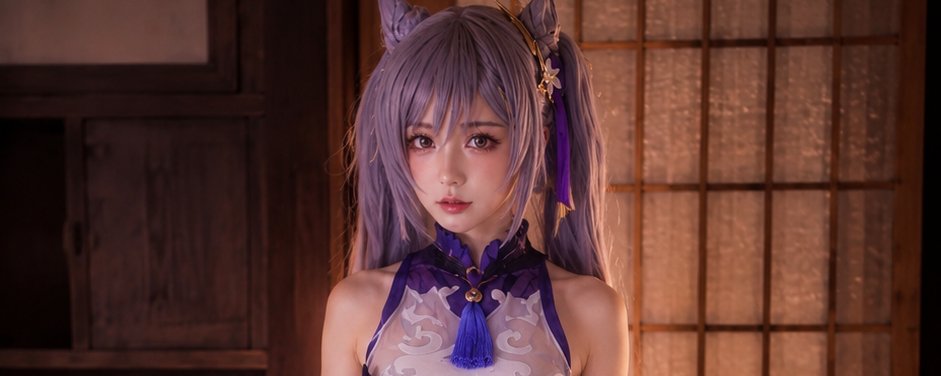
这是我调试的一组通用写真提示词只需要输入图片就能自动适配好动作和切换效果无需剪辑。
REFERENCE PRIORITY — ABSOLUTE
<Picture 1>, <Picture 2>, <Picture 3>, and <Picture 4> are the ONLY visual references.
All four pictures show the SAME PERSON.
Preserve the exact identity, face, hairstyle, hair color, clothing, body proportions, makeup, skin appearance, environment, lighting style, color palette, and photographic aesthetic from the reference images.
Do NOT redesign the person. Do NOT create a different face. Do NOT change the hairstyle. Do NOT change the outfit. Do NOT invent new clothing. Do NOT reinterpret the character.
The four reference images are primarily POSE REFERENCES.
Use:
Picture 1 = opening hero pose Picture 2 = second editorial pose Picture 3 = third editorial pose Picture 4 = final hero pose
The poses must remain recognizable and consistent with their corresponding reference images.
The generated video should feel like a professionally produced luxury fashion editorial MV, NOT a slideshow, NOT a simple image-to-video animation, and NOT a dance video.
==================================================
CORE VISUAL LANGUAGE
STYLE:
High-end fashion editorial film Luxury portrait MV Professional commercial photography Cinematic fashion campaign Editorial beauty film Premium music-video cinematography
9:16 vertical composition.
The entire sequence should feel as if photographed and filmed by a professional fashion cinematographer with a real cinema camera and stabilized camera rig.
Natural optical perspective. Realistic lens behavior. Realistic depth of field. Natural motion blur. Natural parallax. Natural camera inertia. Physically believable camera movement.
The person remains the visual center of the film.
The camera should create visual excitement through:
push-in pull-back lateral tracking arc movement controlled orbit foreground parallax low-angle reveal high-angle reveal rack focus whip-pan transition match-cut transition
Do NOT randomly combine multiple camera movements in the same shot.
Each shot has ONE primary camera movement.
==================================================
IMPORTANT — THIS IS A PORTRAIT MV
The subject is NOT performing choreography.
The person behaves like a professional fashion model during a cinematic editorial shoot.
Movement is subtle but intentional:
small head turn slow gaze shift slight shoulder rotation natural breathing small change of posture gentle body weight transfer subtle hand movement slight hair movement natural fabric movement controlled body rotation
Every movement must originate from the existing pose.
Do not replace the reference pose with a completely different pose.
Do not make the person dance.
Do not create exaggerated acting.
Do not make the subject walk continuously through the entire sequence.
The feeling should be:
"the camera is discovering a real fashion model through a series of photographed moments."
==================================================
CAMERA DISTANCE
Prioritize intimate cinematic framing.
The camera should generally stay relatively close to the person.
Use:
medium close-up close-up tight medium shot medium fashion portrait three-quarter portrait head-to-knee editorial framing
Avoid unnecessary wide shots.
Do NOT pull the camera far away simply to show the entire environment.
Do NOT end with a distant establishing shot.
The final frame must remain visually close and premium.
When the face is visible, maintain strong facial clarity.
When showing the outfit, use medium or head-to-knee framing rather than an extremely distant full-body shot.
==================================================
SHOT 01 — PICTURE 1 OPENING HERO PORTRAIT
Start directly from the composition of Picture 1.
Preserve the exact opening pose.
The first frame must already resemble Picture 1.
Camera begins relatively close to the subject.
Primary camera movement:
SLOW CINEMATIC DOLLY-IN.
The camera physically moves toward the subject, creating natural perspective change and subtle background compression.
The movement is smooth and deliberate.
While the camera approaches:
the subject remains almost still, natural breathing, tiny eye movement, very subtle head adjustment, slight natural hair movement.
Do not exaggerate the body movement.
During the final part of the push-in, allow a subtle rack focus toward the eyes.
The face becomes the visual focal point.
Premium fashion editorial feeling.
==================================================
TRANSITION 01 → 02
Do NOT simply dissolve between the images.
Use a MOTION-MATCH TRANSITION.
As the camera reaches the close portrait, the subject makes a small controlled head or shoulder movement in one direction.
The camera follows that direction.
Immediately transition into a FAST WHIP-PAN.
Strong directional motion blur.
The whip pan lasts only a short moment.
The motion direction must continue naturally into Picture 2.
The transition should feel like an intentional music-video edit rather than an AI transition effect.
==================================================
SHOT 02 — PICTURE 2 EDITORIAL SIDE REVEAL
Resolve from the whip-pan directly into Picture 2.
Picture 2's pose becomes the new visual anchor.
Do not redesign the pose.
Primary camera movement:
LATERAL TRACKING + SMALL ARC.
The camera slides sideways while gently moving around the subject.
The subject remains stable in frame.
Create natural foreground/background parallax.
The camera reveals the second pose progressively instead of immediately presenting it as a static photograph.
The subject performs only a subtle editorial movement:
small body weight transfer, slight shoulder rotation, gentle gaze change, natural breathing.
Camera movement is faster than Shot 01.
Still elegant.
Still controlled.
Never shaky.
==================================================
SHOT 03 CINEMATIC PORTRAIT DETAIL
Before reaching Picture 3, temporarily move closer.
Use a tight medium shot or close-up.
Primary camera movement:
CONTROLLED ARC MOVE.
The camera travels around the front three-quarter angle of the subject.
Do not complete a huge 360-degree orbit.
Use approximately a 45–90 degree cinematic arc.
The subject remains visually stable.
During the arc:
slight head turn, eyes naturally follow the camera, hair reacts subtly to movement, clothing responds naturally to body motion.
Use shallow depth of field.
Allow the background to drift naturally through parallax.
At the end of the arc, compositionally match the pose and orientation of Picture 3.
==================================================
TRANSITION 02 → 03
Use a MATCH CUT.
Match one visual element between the shots:
face position shoulder angle hand position hair direction body silhouette camera direction
The transition should feel intentional and invisible.
Avoid flashy digital effects.
The viewer should feel that the camera simply moved into another photographic moment.
==================================================
SHOT 03 — PICTURE 3 HERO EDITORIAL MOMENT
Picture 3 becomes the main editorial hero image.
Start with the exact recognizable composition of Picture 3.
Primary camera movement:
SLOW ORBIT AROUND THE SUBJECT.
Approximately 60–120 degrees.
Keep the camera relatively close.
Maintain consistent subject scale.
The person stays centered or slightly off-center according to the reference composition.
The camera movement creates:
facial parallax, hair separation, background depth, light wrapping, three-dimensional portrait feeling.
The subject remains elegant and restrained.
No dance.
No exaggerated gestures.
No random hand movement.
The body gradually settles into the Picture 3 pose.
This should feel like a luxury beauty campaign.
==================================================
MICRO DETAIL INSERT
Briefly move into a tighter crop.
Show one natural photographic detail:
eyes face hair hand shoulder fabric jewelry if already present in the reference
Do NOT invent accessories.
Use a short controlled push-in.
Then immediately pull slightly away.
This creates the rhythm of a real editorial fashion film.
==================================================
TRANSITION 03 → 04 FINAL BUILD
Build visual momentum.
Camera performs a FAST CONTROLLED PUSH-IN toward the subject.
As the frame becomes filled by the face / hair / clothing, use a natural motion-obscured transition.
The subject then emerges into Picture 4.
This is a visual match transition, NOT a digital morph.
Preserve identity throughout.
==================================================
SHOT 04 — PICTURE 4 FINAL HERO SHOT
Picture 4 is the FINAL HERO POSE.
The final pose must clearly correspond to Picture 4.
Do not redesign it.
Begin slightly closer than the original reference composition.
Primary camera movement:
SLOW 3/4 ORBIT + SUBTLE PULL-BACK.
The camera moves around the subject while very slightly revealing the complete final composition.
Do NOT pull far away.
Keep the subject large in frame.
The final composition should feel like the final photograph of a luxury fashion campaign.
Allow:
natural breathing, subtle eye movement, small head movement, slight fabric movement, natural hair movement.
No exaggerated movement.
No dancing.
No sudden pose change.
==================================================
FINAL CAMERA BEHAVIOR
Do NOT finish with:
extreme wide shot distant full-body shot drone shot empty environment static frozen frame generic zoom-out
Instead:
finish with a close, premium editorial hero composition.
The person remains visually dominant.
The camera makes a final subtle forward drift or very small lateral movement.
End on a strong photographic frame.
==================================================
EDITING RHYTHM
The sequence should behave like a professional fashion MV.
Use varied shot durations.
Do NOT give every reference image equal screen time.
Opening: slow and elegant.
Second shot: slightly faster.
Third shot: most cinematic and immersive.
Final shot: slows down again and becomes iconic.
Use visual rhythm:
SLOW → BUILD → FAST TRANSITION → FLOW → ORBIT → ACCELERATION → HERO END.
Cuts should feel rhythmically connected to the music.
Do not use constant rapid cutting.
Do not make every transition flashy.
Approximately 70–80% of the visual sophistication should come from camera movement, framing, parallax, lens behavior and subject micro-motion.
Approximately 20–30% should come from transitions.
==================================================
CAMERA PHYSICS
The camera must feel physically operated by a professional cinematographer.
Smooth acceleration. Smooth deceleration. Real camera inertia. Natural perspective change. Natural parallax. Realistic depth-of-field behavior. Realistic motion blur.
No impossible camera teleportation.
No floating camera.
No random zooming.
No artificial camera shake.
No sudden lens distortion.
No fisheye distortion unless already present in the reference.
Do not make the camera move through the person's body.
Do not make the camera orbit at impossible speed.
==================================================
IDENTITY LOCK
The SAME PERSON must remain recognizable throughout all four shots.
Maintain:
same face same facial proportions same hairstyle same hair color same clothing same body proportions same makeup same skin appearance same visual identity
The transition between reference poses must never become an excuse to redesign the person.
No face morphing.
No identity drift.
No age change.
No body-shape change.
No hairstyle mutation.
==================================================
PHOTOGRAPHIC QUALITY
Premium professional fashion cinematography.
Realistic skin texture.
Natural skin response to light.
High-end portrait lens rendering.
Shallow but physically believable depth of field.
Natural highlight roll-off.
Subtle cinematic contrast.
Clean realistic shadows.
Natural specular highlights.
Realistic hair strands.
Realistic fabric texture.
No plastic skin.
No excessive beauty filter.
No artificial HDR look.
No oversharpening.
No AI-looking texture.
No excessive bloom.
No fake lens flare.
No artificial film effects.
The final result should look like footage captured during an actual luxury fashion editorial photoshoot.
==================================================
ABSOLUTE NEGATIVE CONSTRAINTS
NO slideshow feeling.
NO static image interpolation feeling.
NO random pose generation.
NO dance choreography.
NO exaggerated acting.
NO identity changes.
NO clothing changes.
NO hairstyle changes.
NO random accessories.
NO extra people.
NO duplicated person.
NO extra limbs.
NO deformed hands.
NO warped face.
NO camera teleportation.
NO impossible orbit.
NO excessive zoom.
NO extreme wide shot.
NO distant ending.
NO generic AI camera drift.
NO cheap transition effects.
NO excessive slow motion.
NO artificial facial expression changes.
NO sudden smile unless already present naturally in the reference.
The result must feel like:
A REAL HIGH-END FASHION PHOTOGRAPHER AND CINEMATOGRAPHER filmed the same model across four editorial poses and assembled the footage into a sophisticated cinematic portrait MV.
原图出处 @xuan_lune